As an Amazon Associate, we earn from qualifying purchases. Some links on this site are affiliate links at no extra cost to you. Our recommendations are based on thorough research and editorial judgment.


How Ancient Egyptians Created Their Eye Makeup

Together, we can appreciate how Ancient Egyptians crafted their eye makeup using natural minerals like galena and soot, blending them into kohl for bold, protective lines. They didn’t just care about style; this stuff guarded eyes from the sun and evil spirits too. Applying it with tiny ivory sticks—thanks, precision tools!—was part art, part ritual. Plus, these ornate cosmetics really set social status. Stick around, and you’ll uncover even cooler secrets behind their beauty rituals.
Key Takeaways
- Ancient Egyptians made eye makeup using kohl, a blend of galena (lead sulfide) and soot for color and protection.
- Kohl was applied with small sticks made from ivory or wood, often moistened with saliva for smooth, precise lines.
- Pigments like green malachite and black charcoal (mesdemet) were ground on carved stone palettes for eye and facial makeup.
- Makeup containers were crafted from alabaster, wood, or metal, designed for easy application and symbolic preservation.
- Eye makeup had both cosmetic and spiritual purposes, enhancing beauty while protecting against sun and evil forces.
Historical Origins of Eye Makeup in Ancient Egypt
Believe it or not, people in Ancient Egypt have been rocking eye makeup for around 4,000 years, and it wasn’t just a beauty fad—they took it seriously, with both men and women using it daily. Back then, the star of the show was kohl, a dark, mineral-based eye makeup made mainly from galena. They didn’t just slap it on; they applied kohl carefully using fine sticks or brushes crafted from ivory or wood. These tools helped them create those signature eye styles we’re familiar with from ancient art, like the stunning Bust of Queen Nefertiti. Besides enhancing beauty and shading their eyes from harsh sun, kohl held spiritual meaning—kind of like a superhero mask protecting them from evil influences. So, their ancient eye makeup had style, function, and meaning all rolled into one. Modern application techniques also emphasize precision and natural appearance, echoing the care Ancient Egyptians took with their eye makeup.
Key Ingredients Used in Eye Cosmetics

After appreciating how both men and women in Ancient Egypt carefully applied kohl for style and protection, it’s natural to ask: what exactly went into these ancient eye cosmetics that made them so popular and meaningful? The core of their eye makeup was black kohl, a mix of soot and galena, which wasn’t just for looks—it shielded eyes from the harsh sun and infections. They also used red ochre, usually to add color to lips and cheeks, blending it with fats or oils into a creamy paste. For eye paint, vivid green hues came from ground malachite mined in Sinai. Another interesting find was Mesdemet, a black paint with crushed charcoal, thought to have healing powers for eye troubles. These ingredients blended beauty with practicality—a combo we can still appreciate today. Modern formulas that focus on skin health often emphasize non-comedogenic properties to avoid clogged pores while delivering both beauty and care.
Recommended Products

Smooth & Pigmented Eye Pencil: Enhance eyes naturally with velvety smooth Mineral Fusion Eyeliner with an easy glide application for the perfect smokey eye. The buildable color helps line and define eyes.

This clean, vegan mineral-based waterproof eyeliner delivers rich, vibrant long-lasting color that won't smudge, budge or flake all day.

Smooth & Pigmented Eye Pencil: Enhance eyes naturally with velvety smooth Mineral Fusion Eyeliner with an easy glide application for the perfect smokey eye. The buildable color helps line and define eyes.
The Role of Kohl in Egyptian Culture

When it comes to understanding Ancient Egyptian culture, we can’t overlook the essential role of kohl in their daily lives and beliefs. Kohl wasn’t just another cosmetic; it was a blend of natural ingredients like soot and galena, carefully crafted both for beauty and eye protection against harsh sun glare and infections. We often find kohl lines enhancing the eyes—above and below—making a bold statement in Egyptian cosmetics. But it wasn’t just about looking good; the heavy kohl application was tied to beauty rituals, spiritual protection, and even social status. Plus, their kohl containers often featured symbols of fertility and potency, showing us how deep its significance ran beyond mere makeup. So, when you think of Egyptian beauty rituals, kohl is truly central to the story. Modern special effects artists use similarly intense pigmented colors in alcohol-activated paints to achieve vibrant and lasting results on skin.
Tools and Techniques for Applying Eye Makeup
Let’s explore the fascinating world of Ancient Egyptian eye makeup tools and techniques—you might not realize just how cleverly they crafted everything to get that iconic look just right. They used small sticks made from ivory and wood as tools to apply kohl, drawing precise lines above and below the eyes. Before applying, the kohl was moistened—often with saliva—to make it easier to spread evenly. They mixed and ground mineral powders on expertly carved palettes, many shaped like fish, showing their flair for practicality and style. Brushes, made from natural materials, also helped them achieve their precise, artistic designs. It wasn’t just about looking good; these tools and techniques reflected skillful craftsmanship that balanced beauty with ritualistic care—no makeup mishaps here, just flawless ancient eye art. Similar to how modern products utilize durable application techniques, the ancient methods prioritized lasting and flawless results.
Recommended Products

EcoTools Enhancing Eye Makeup Brush Set creates the perfect eyeshadow look with (1) Shade + Define Eye Brush Duo and (1) Smudge + Blend Eye Brush Duo - ideal for eye makeup application
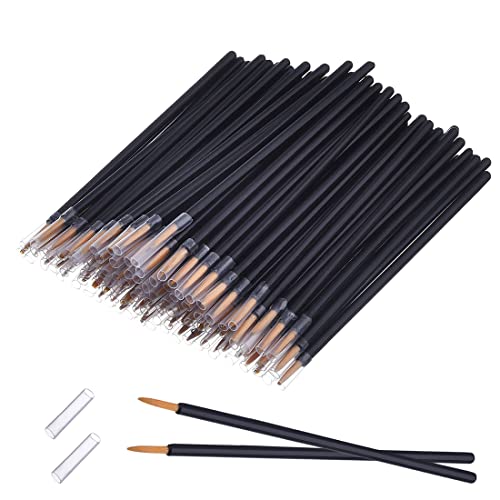
Disposable Eyeliner Brush Set: 100 pack disposable eyeliner brushes, enough for your spare or replacement; With black handle, the size of brush is 9 x 0.3 x 0.3 cm

Durable and Reusable: Our eyeliner smudge brush set is crafted from high-quality plastic and sponge materials, ensuring sturdiness and longevity. The 5Pcs set is designed for repeated use, providing a reliable tool for your daily makeup needs.
Symbolism and Spiritual Significance of Eye Cosmetics
Eye makeup in Ancient Egypt was way more than a beauty routine—they believed it carried powerful spiritual meaning, blending protection with style in a way that still fascinates us. Kohl wasn’t just for looks; it had deep spiritual significance. The pigments, often derived from animals, were thought to grant supernatural protection against evil and harsh elements. Specific designs, like the iconic kohl ring, symbolized health and prosperity, making each stroke a kind of ancient charm. Even the containers sported symbols tied to rejuvenation, reminding us that makeup was part ritual, part magic. Finding eye cosmetics in tombs highlights just how intertwined these beauty practices were with spiritual beliefs, showing that in ancient Egypt, looking good was a sacred business that went beyond skin deep. Just as modern users select brushes with angled tips for better shaping, ancient Egyptians carefully crafted their eye makeup to achieve precise and meaningful designs.
Health Benefits Attributed to Eye Makeup
Although ancient Egyptians are famous for their striking kohl-lined eyes, their use of eye makeup wasn’t just about looking sharp; it actually provided real health perks too. Kohl wasn’t simply cosmetic—it had antibacterial properties that helped protect against eye infections. Ancient Egyptians believed this was a key health benefit, especially in a dusty, sun-scorched environment. Ingredients like galena, despite sounding a bit toxic (hello, lead!), were thought to stimulate immune responses and improve resistance to ocular diseases. Plus, these eye paints—including Udju and Mesdemet—acted like natural sunglasses, shielding eyes from harsh sunlight and reducing discomfort. According to texts like the Ebers Papyrus, eye makeup also doubled as a remedy, offering both physical protection and a spiritual safeguard against evil spirits. It’s like health care with a stylish twist—who knew? Modern makeup primers similarly enhance skin protection and improve makeup longevity by using beneficial ingredients that support skin health.
Cosmetic Palettes and Grinding Methods
We’ve seen how ancient Egyptians weren’t just styling themselves for show—they valued eye makeup for its health perks. To craft their signature look, they used cosmetic palettes, which evolved from simple rectangles like the Narmer Palette to more rounded shapes adorned with meaningful symbols. These weren’t just pretty dishes; they were essential tools for grinding minerals like malachite and galena. Their grinding methods relied on friction stones and thin wooden sticks, transforming raw minerals into fine powders perfect for applying kohl. Moistening these powders with oils or water helped spread them smoothly using brushes made from ivory or wood. It’s impressive how such basic materials and clever grinding techniques combined to create makeup that was both practical and stylish—a real art form long before today’s beauty trends. Modern beauty practices continue to emphasize the importance of long-lasting formulas that withstand sweat and humidity, much like the durable makeup used by ancient Egyptians.
Recommended Products
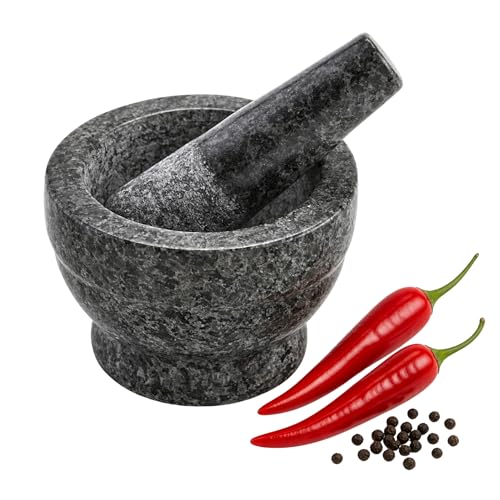
COMPACT 3.75 INCH GRINDING SIZE: This granite mortar and pestle set features a compact three and three quarter inch diameter stone grinding bowl, perfectly sized for preparing spices, herbs, and aromatics in small kitchens while maintaining performance

SOLID RUSTPROOF MATERIAL: Both pestle and mortar are made of food grade 18/8 stainless steel. Not only are they rustproof, it is also resistant to damage and corrosion by acidic food. Small compact mortar, about the size of the average palm - whereas one could pick it up with one hand, capacity 250ml

A kitchen must-have: Mortar and pestle set (mortero de cocina - morter and pessel - molcajete or guacamole bowl and pestel) has been used for THOUSANDS of years as THE way to crush, grind and powder herbs and dry spices. Contrary to an electric grinder or crusher, the age-old, durable, traditional manual grinding method ensures that all cooking ingredients bring out their full flavor and aroma profiles, allowing you to further control their texture and make delicious, chunk-free dishes.
Variations in Eye Makeup Across Social Classes
Across all walks of life in Ancient Egypt, from the palace halls to humble homes, folks couldn’t resist the allure of kohl-lined eyes. Makeup was a shared passion, but social classes definitely shaped how it looked. The wealthy enjoyed finely ground kohl, often stored in ornate containers, showing off their status and connecting their eye makeup to divine protection—a sort of “holy glam,” if you will. Meanwhile, commoners made do with simpler, more accessible kohl, still drawn carefully around the eyes to ward off evil and look sharp. So, whether you were a royal or a craftsman, makeup—especially kohl—wasn’t just about looks; it was woven into daily life, culture, and even identity across Egypt’s social spectrum. Turns out, ancient style had no class boundaries! Just like modern grooming with hypoallergenic blades, beauty and care were crafted to suit the comfort and needs of different individuals.
Artistic Depictions of Eye Makeup in Ancient Art
It’s pretty clear that Ancient Egyptians took their eye makeup seriously, not just in daily life but in their art, too. Artistic depictions consistently highlight the use of kohl, drawn with sharp lines around the eyes to boost both style and spiritual protection. Take the Bust of Queen Nefertiti—her bold, dark eye makeup is almost legendary, reminding us how essential kohl was as a beauty emblem. Tomb paintings and mosaics frequently show figures with elaborately decorated eyes, signaling not just aesthetics but social standing and even supernatural safeguarding. You’ll notice in ceremony scenes those exaggerated kohl-lined eyes aren’t just for show—they broadcast status and power. Clearly, these artistic depictions give us vivid proof that eye makeup was a cultural cornerstone, far beyond just cosmetic flair. Modern eyeliners, like the waterproof pencils, continue this tradition by offering long-lasting, smudge-proof definition to enhance the eyes profoundly.
Preservation and Use of Makeup Containers
Makeup containers from ancient Egypt are surprisingly sophisticated little artifacts that tell us a lot more than just how cosmetics were stored. Crafted from alabaster, wood, or metal, these containers weren’t just practical—they doubled as tiny works of art. An ancient Egyptian woman didn’t just toss her eye makeup in random jars; she used vessels adorned with symbolic meanings, like fish motifs representing fertility and renewal. Shapes ranged from slender tubes to flat palettes, perfect for mixing kohl or malachite pigments, showing they really knew their stuff. These containers were so valued, often included in burials, highlighting makeup’s role beyond daily beauty routines—it was part of the spiritual journey too. Honestly, their sense of style and symbolism beats some storage solutions we’ve got today! Modern makeup organizers similarly focus on functionality and aesthetics, offering features such as adjustable layers and multiple compartments for efficient storage.
Influence of Ancient Egyptian Eye Makeup on Modern Beauty Practices
When we examine those beautifully crafted ancient Egyptian makeup containers, it’s clear they weren’t just storing products—they were preserving traditions that still echo today. The kohl they used, made from galena and soot, laid the groundwork for our modern eyeliners, influencing everything from formula to sharp, bold application techniques. Those wealthy Egyptian women weren’t just about glam; their eye makeup protected against harsh sun—much like our SPF-infused eye products today. Plus, the precision tools and ritualistic application remind us that makeup is truly an art form, not just quick swipes in the morning. The iconic elongated eye looks? They’ve inspired countless runway trends, proving these ancient styles still hold serious sway over contemporary beauty practices. It’s fascinating how history shapes what we swipe on our lids, isn’t it?
Recommended Products

KEMET Natural Kohl – Inspired by Ancient Egyptian Beauty.

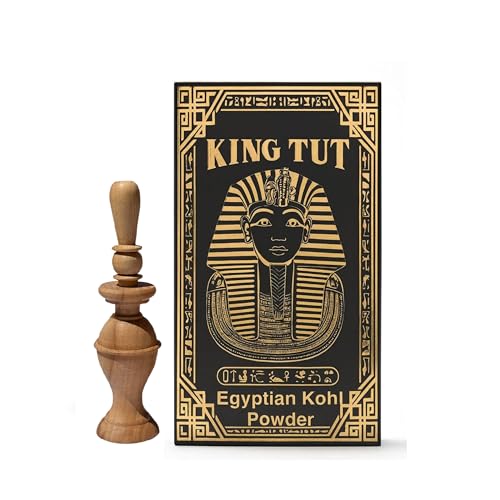
Intense Dark Color & Smooth Texture King Tut Eyliner Powder delivers a rich, deep black color that creates bold, captivating eyes. Its smooth texture ensures easy application without clumping or smudging
Frequently Asked Questions
How Did Ancient Egyptians Make Eye Makeup?
We made eye makeup by grinding minerals like galena for kohl, mixing them with oils using kohl production methods. This was part of ancient beauty rituals, emphasizing the symbolism of eyes for protection and spiritual power.
What Did Ancient Egyptians Put on Their Eyes?
We’d tell you that nearly everyone in ancient Egypt wore eye makeup. They put kohl origins’ soot and galena on their eyes, using ancient ingredients in eye makeup rituals to protect and beautify their vision daily.
Why Did Cleopatra Wear so Much Eye Makeup?
It is understood Cleopatra wore so much eye makeup to emphasize her beauty and power. Her bold look reflected ancient rituals and makeup symbolism, showing protection, status, and magic. It made her iconic and unforgettable to us all.
How Do You Create an Egyptian Eye Makeup Look?
To create an Egyptian eye makeup look, we’ll use classic eye techniques like bold kohl lines and vibrant mineral eyeshadows, blending modern adaptations while honoring its cultural significance. Adding shimmer highlights completes this timeless, dramatic style perfectly.


