As an Amazon Associate, we earn from qualifying purchases. Some links on this site are affiliate links at no extra cost to you. Our recommendations are based on thorough research and editorial judgment.

How Makeup Affects Different Grades of Acne

When dealing with mild acne, we usually find non-comedogenic, mineral-based makeup helps keep breakouts calm while covering stubborn spots—think lightweight shades like Laura Mercier’s Mineral Powder, which feels breathable. For moderate acne, makeup packed with salicylic acid can sneak in some treatment while offering coverage if we remember to clean brushes regularly. Severe acne needs oil-free, gentle products, or we risk fueling inflammation—improper cleansing? Big no-no. Curious how choosing the right products can make or break your skin’s mood?
Key Takeaways
- Makeup can clog pores, worsening mild acne if non-comedogenic products are not used.
- For moderate acne, mineral-based and acne-fighting makeup minimize breakouts and treat blemishes.
- Severe acne requires oil-free, non-comedogenic makeup to avoid inflammation and further skin damage.
- Acne cosmetica arises from reactions to comedogenic makeup, causing red bumps especially on cheeks and forehead.
- Proper nightly makeup removal and gentle cleansing are crucial to prevent acne flare-ups across all acne grades.
The Impact of Makeup on Mild Acne
Even though makeup can be a great confidence booster, we’ve gotta admit it sometimes doesn’t play nice with mild acne. Using the wrong products often leads to clogged pores, trapping sebum, dead skin cells, and those pesky acne-causing bacteria we’re trying to avoid. For acne-prone skin, sticking to non-comedogenic formulations is key—think mineral-based makeup, which is lighter and less likely to cause breakouts. Just because it’s called “mineral” doesn’t mean it’s magic; we still have to be picky about ingredients and shade matches. Pairing this with a gentle cleanser afterward helps keep pores clear and skin happy. Trust us, treating your skin right during makeup routines makes a huge difference in preventing those annoying flare-ups while still letting you rock that fab look. Additionally, using hypoallergenic synthetic brushes can help minimize irritation and maintain skin health during application.
Recommended Products
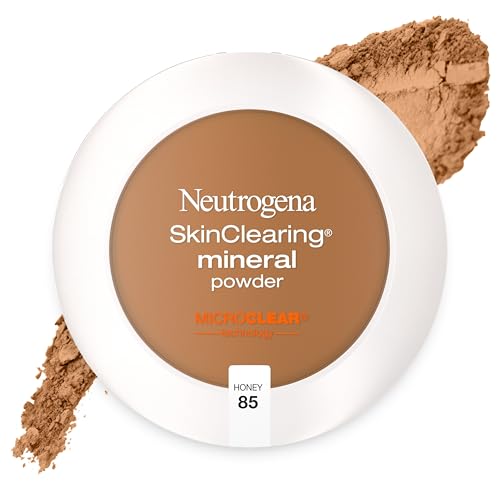
.38-ounces of Neutrogena SkinClearing Mineral Acne-Concealing Pressed Powder Compact facial makeup in the shade Honey 85 to cover, conceal, treat & help prevent breakouts

.05-ounces of Neutrogena SkinClearing Blemish Concealer Liquid Face Makeup with salicylic acid to help treat and prevent breakouts while covering up pimples

1-fluid ounce of Neutrogena SkinClearing Acne Fighting Liquid Foundation Face Makeup with .5% Salicylic Acid Acne Medicine in shade Classic Ivory 10 for natural-looking coverage while treating blemishes
Makeup Considerations for Moderate Acne
Although moderate acne definitely bumps up the stakes, we can still slay our makeup game without making things worse. The key? Non-comedogenic makeup that won’t clog pores—think mineral-based makeup with lighter formulas like bareMinerals Original Foundation SPF 15 in Fairly Light 02. Including cosmetic products with acne-fighting ingredients, such as salicylic acid, helps treat blemishes while covering them up; Paula’s Choice Clear Oil-Free Foundation is a hit here. Don’t forget to clean makeup brushes regularly—neglect leads to bacterial build-up, a sneaky acne aggravator. Also, be gentle when applying makeup; heavy-handed pressure can irritate inflamed skin and trigger flare-ups. Using satin finish bronzers can add a natural glow without exacerbating acne due to their nourishing and non-comedogenic ingredients. With these steps, moderate acne won’t control our look, and we’ll keep both coverage and skin health in check—because who says acne and makeup can’t coexist?
Recommended Products

1-fluid ounce of Neutrogena SkinClearing Acne Fighting Liquid Foundation Makeup with .5% Salicylic Acid Acne Medicine in shade Nude 40

1-fluid ounce of Neutrogena SkinClearing Acne Fighting Liquid Foundation Makeup with .5% Salicylic Acid Acne Medicine in shade Buff 30

.05-ounces of Neutrogena SkinClearing Blemish Concealer Liquid Face Makeup with salicylic acid to help treat and prevent breakouts while covering up pimples
Makeup Challenges With Severe Acne

What makes makeup for severe acne such a tricky beast to tame? Well, many makeup products sneak in comedogenic ingredients that clog pores and worsen those stubborn cysts. Wearing makeup that’s heavy or oily can just fan the flames of inflammation—think of it as adding fuel to an already smoldering fire. We’ve learned that choosing non-comedogenic, oil-free formulas is like giving your skin a breather instead of a burden. Proper cleansing before and, most importantly, after wearing makeup is vital; skipping this step only traps oil and bacteria, causing breakouts to throw a party on your face. So, if you don’t want your skin staging a rebellion, be picky with products and diligent about removing makeup every night—your severe acne will thank you for it! For the best results, look for foundations that offer oil absorption with lightweight textures to maintain a natural finish without clogging pores.
Identifying Acne Cosmetica From Makeup Use
When we spot tiny red or pink bumps popping up mostly on our cheeks, chin, or forehead—but not from the usual suspects like stress or diet—it’s worth considering acne cosmetica, especially if we’ve recently switched up our makeup stash. Acne cosmetica usually happens when our skin reacts to comedogenic makeup products that clog pores, sneaking in through facial cleansers, moisturizers, or foundations. Some testers noticed breakouts showing up anywhere from a few days to six months later, which can be pretty sneaky. Those stubborn small pimples around lips often trace back to certain lipsticks or balms too—it’s like our pores stage a little protest. The trick? Spotting which products are causing havoc among your skin and opting for non-comedogenic ones, because our pores definitely prefer clarity over drama. To minimize irritation and avoid worsening acne, using products formulated with hypoallergenic ingredients can be particularly beneficial.
Choosing the Right Makeup Products for Acne-Prone Skin
Since picking the right makeup can feel like maneuvering through a jungle of labels and promises, we’ve learned to zero in on non-comedogenic products that play nice with acne-prone skin. It’s key to regularly check product labels for terms like oil-free and non-comedogenic to dodge those sneaky pore cloggers. Makeup that’s mineral-based usually works wonders—it’s lighter and less irritating. We also look for acne-fighting ingredients such as salicylic acid that quietly help clear skin without announcing themselves at the party. Avoid cosmetics loaded with fragrances, essential oils, or heavy oils like coconut—that stuff just messes with pores. Think of it as choosing a friendly roommate for your skin, not a drama magnet. Trust me, once you find your shade—like 2N1 Ivory Beige—you’ll want to shout it from the rooftops! Additionally, opting for fragrance-free foundations can significantly reduce irritation and allergic reactions in sensitive, acne-prone skin.
Recommended Products

CLEARER SKIN IN 1 WEEK*: Vegan foundation treats acne, controls shine all day and visibly evens skin tone. Instantly covers blemishes, breakouts and redness. *Skin looked clearer at the 1-week and 2-week time point of a consumer perception study, which included 54 participants

TINTED SUNSCREEN FOR FACE: This tinted face sunscreen with transparent Zinc Oxide provides broad spectrum SPF 46 protection and helps protect normal and sensitive skin types from UVA and UVB damage without leaving behind residue

CLEAR SUNSCREEN FOR FACE: This lightweight face sunscreen with transparent Zinc Oxide provides broad spectrum SPF 46 protection and helps protect normal and sensitive skin types from UVA and UVB damage without leaving white cast residue behind
Proper Makeup Removal to Prevent Acne Breakouts
Although we all love a flawless makeup look that sticks around, skipping proper removal at night is like leaving the door wide open for acne-causing troublemakers. Proper makeup removal is key to prevent clogged pores, which often trigger stubborn acne breakouts. We recommend using gentle cleansers—nothing harsh—to avoid irritating your skin while thoroughly removing makeup, especially from tricky spots like around your nose and forehead. Don’t forget to clean your makeup brushes regularly; bacteria can hitch a ride and cause havoc on your skin. Also, beware of expired makeup products—they’re basically bacteria factories ready to sabotage your glow. So, let’s be diligent: remove your makeup every night with the right products and methods, and you’ll help keep bacteria to your skin at bay and acne breakouts under control. Additionally, choosing hypoallergenic and dermatologist-tested makeup setting sprays can further reduce the risk of irritation and breakouts.
Recommended Products

All-In-1 Micellar Cleansing Water: Garnier Micellar Cleansing Water with Salicylic Acid is a makeup remover and facial cleanser formulated for oily and acne-prone skin to remove makeup, mattify skin all day and minimize pores in just one step

CETAPHIL GENTLE MAKEUP REMOVING WIPES FOR SENSITIVE SKIN: Effectively lift off stubborn waterproof and long-wear makeup with ease

GENTLE FOR EVERYDAY USE: Cetaphil Gentle Skin Cleansing Cloths will leave your skin feeling clean, refreshed and balanced after every use
When to Consult a Dermatologist About Makeup-Related Acne
We all know how satisfying it feels to wipe off a full face of makeup at the end of the day—like hitting the reset button on your skin. But when acne caused by cosmetic use just won’t quit after 4 to 8 weeks of trying over-the-counter skin care products, it’s time to think about consulting a dermatologist. According to the American Academy of Dermatology, if your makeup-related acne doesn’t improve, a dermatologist can pinpoint which products or specific ingredients are comedogenic and suggest stronger treatments. Persistent breakouts linked to multiple makeup products should never be ignored, as untreated acne cosmetica might hide underlying skin issues. So, don’t wait too long—getting expert advice early can stop scarring and inflammation, making your skin-care journey way smoother. Additionally, choosing hypoallergenic options can help minimize irritation for sensitive skin prone to acne.
Frequently Asked Questions
Can Makeup Cause Different Types of Acne?
Yes, makeup can cause different acne types. It is understood that acne triggers vary by skin types, but careful use of non-comedogenic products, proper application techniques, removal methods, and professional advice help minimize risks despite hormonal influences and makeup ingredients.
Does Makeup Impact Acne?
Yes, makeup impacts acne. We should choose foundation ingredients carefully, prefer non comedogenic makeup, maintain a solid skincare routine, remove makeup thoroughly, and support skin barriers while considering acne types and hormone levels to prevent pore clogging.
Is It Better for Acne to Not Wear Makeup?
We believe it’s often better to break habits and skip makeup, focusing on skincare routines with acne friendly products. If we choose makeup alternatives, we prioritize natural coverage, ingredient awareness, gentle application, and always follow dermatologist advice.
Why Does My Acne Get Better With Makeup?
We think your acne improves with makeup because skin-friendly product formulations, coverage options, and ingredient impacts can soothe skin. Plus, makeup techniques, hygiene practices, and professional advice boost confidence and skin health for all skin types, helping psychologically.