As an Amazon Associate, we earn from qualifying purchases. Some links on this site are affiliate links at no extra cost to you. Our recommendations are based on thorough research and editorial judgment.

Understanding Talc in Pressed Powder Products

Talc in pressed powders is that secret weapon we love for keeping shine in check and giving skin a buttery-smooth finish—think silky, not cakey. It absorbs sweat and oil while diffusing light to blur imperfections, making shades like BareMinerals’ fairly light get a natural, matte glow. But we’ve got to watch out for asbestos contamination risks and respiratory issues, so choosing trusted, talc-free or rigorously tested options is smart. Curious about safer swaps and ingredient sleuthing?
Key Takeaways
- Talc absorbs moisture and oil to prevent shine while providing a smooth, lightweight texture and enhancing powder blendability.
- It helps diffuse light to soften skin imperfections, creating a natural matte finish without a cakey look.
- Concerns about asbestos contamination and respiratory risks have led to increased scrutiny and demand for talc-free options.
- Regulatory bodies monitor talc purity, ensuring cosmetic-grade talc is asbestos-free, but consumers are encouraged to check ingredient labels.
- Many brands offer talc-free pressed powders using safer alternatives like rice powder or cornstarch for healthier makeup choices.
What Is Talc and How Is It Used in Pressed Powders
Talc, that quiet superstar in many pressed powders, might not grab your attention like a bold pigment, but we’ve come to appreciate its subtle magic. Talc used in cosmetic products serves as a moisture magnet, helping pressed powders absorb sweat and oil without turning your face into a desert. Its natural, asbestos-free mineral structure also smooths out texture, making powders blend like a dream and stick nicely all day. Plus, talc’s oil control powers are key for keeping shine at bay without drying your skin. That said, we get why some of you prefer talc-free alternatives—rice powder or cornstarch offer safer options for those wary of contamination risks. So while talc isn’t flashy, it quietly keeps our makeup game strong and matte. Additionally, many waterproof setting powders use talc in combination with ingredients like silica or kaolin clay to enhance oil control ability and prolong makeup wear.
Key Benefits of Talc in Makeup Formulations
You might not realize just how much those tiny talc particles are working behind the scenes in your pressed powder. Talc gives pressed powders that silky texture we all love, making them glide on smoothly without sticking or clumping. Plus, it absorbs excess moisture and oil, helping your skin maintain a natural matte finish without feeling dry or cakey—pretty impressive for such a lightweight mineral! Talc also boosts product adherence, so the powder sticks well, giving even coverage that looks effortlessly flawless. Cosmetic formulators often choose talc because it softens imperfections by diffusing light, which straight-up makes our makeup look better throughout the day. So, next time you dab on pressed powder, remember, talc’s quiet magic is what keeps that finish smooth and natural—not your makeup skills alone! Considering products with hypoallergenic ingredients can further enhance skin comfort when using makeup.
Recommended Products

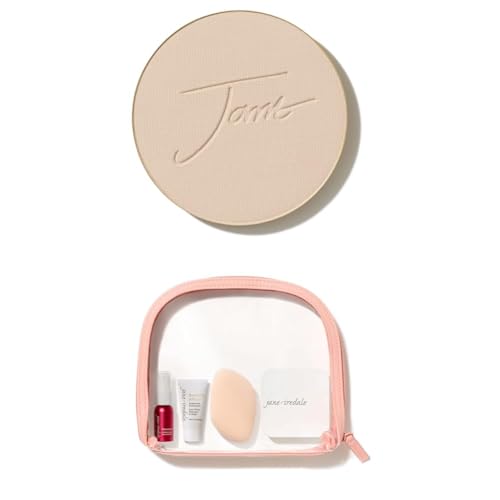
These 3 palettes each contain 12 eyeshadows designed for long wear and high color pay off. Formulated and manufactured in Italy, our pressed powders are easy to blend and build up for the perfect look. Each palette comes with 7 stunning shimmers and 5 creamy mattes.
Common Cosmetics Containing Talc
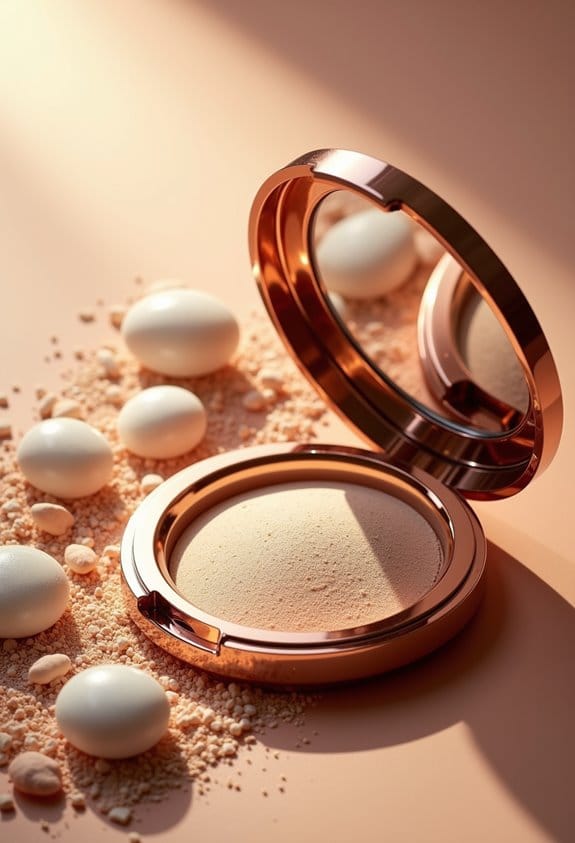
When we reach for setting powders or mineral foundations, there’s a good chance talc is playing a big role in those products’ smooth, matte finish. Talc’s ability to absorb oil and prevent caking makes it a staple in many pressed powders, including face powders and baby powder, which many of us have in our bathroom cabinets. It’s also common in eyeshadows, bronzers, and highlighters where it guarantees easy blendability. However, some people worry about skin irritation or the rare asbestos contamination linked to talc. That’s why more brands now offer talc-free pressed powders, substituting rice powder or cornstarch to keep that silky feel without the risk. So, if your skin is sensitive, exploring talc-free options might just save you from a little makeup drama! Additionally, using makeup tools with high-density synthetic bristles can help achieve a smooth, flawless application of powder products.
Recommended Products


Potential Health Risks Linked to Talc Use
As much as we appreciate the silky smooth finish talc brings to our favorite pressed powders, it’s hard to ignore some of the health concerns that have popped up around its use. Talc, sometimes found in personal care products, has raised worries due to possible asbestos contamination—a known carcinogen. Studies suggest talc use, especially in the genital area, may link to ovarian cancer because particles might collect in ovarian and lymph nodes. Plus, respiratory issues can arise from inhaling talc dust, particularly for babies or workers exposed over time. With no strict regulations on contamination in the U.S., it’s smart to stay informed and consider talc-free alternatives. After all, choosing safer options doesn’t mean giving up on that flawless finish we all love. Many consumers now prefer mineral setting powders with talc-free formulas to minimize irritation and health risks.
Understanding Asbestos Contamination Concerns
It’s easy to overlook how close talc and asbestos are in nature—they often hang out in the same geological neighborhoods, which understandably sets off alarm bells about asbestos sneaking into our favorite pressed powders. Since asbestos is a known carcinogen, we’re right to be cautious about contamination in talc-containing products. But here’s the good news: cosmetic-grade talc must be asbestos-free, per FDA rules set decades ago. Manufacturers routinely test for purity to keep us safe. Still, recent FDA testing hasn’t been shy about double-checking, just to make sure no sneaky fibers slip through. So, while we enjoy our powders—be it shade 102 Cream or 104 Beige—it’s reassuring that consumer safety remains the priority, keeping carcinogen concerns at bay without sacrificing quality or our daily glow. Additionally, using powders with ingredients such as niacinamide can provide skin benefits beyond coverage.
Regulatory Measures Ensuring Talc Safety
Although talc’s long-standing presence in pressed powders like shade 102 Cream or 104 Beige might tempt us to breeze past safety concerns, we’ve got to stay informed about the regulatory measures that keep our favorite products trustworthy. Since the 1970s, rules require cosmetic-grade talc particles to be asbestos-free, with testing to prevent potential contamination. The FDA oversees this in the US, ensuring proper labeling and ongoing monitoring, though compared to the European Union’s stricter stance, there’s room for improvement. Transparency in ingredient disclosure is key; we deserve to know what’s in our pressed powders and trust the safety of talc used. Advocates push for stronger regulation, boosting consumer safety so that applying 102 Cream or 104 Beige feels as safe as it looks radiant—a win for all of us. Foundations that are non-comedogenic help maintain healthy skin by preventing clogged pores when using talc-containing products.
Talc-Free Alternatives for Sensitive Skin
We all love the smooth, lightweight feel of classic pressed powders like shade 102 Cream or 104 Beige, but when sensitive skin enters the picture, talc’s reputation can understandably make us pause. Luckily, talc-free pressed powders offer a great alternative, often using rice powder or cornstarch to keep that soft texture intact while enhancing ingredient safety. These powders don’t just absorb oil well—they do it without triggering irritation, making them perfect for sensitive skin types craving clean beauty solutions. A friend recently switched to Omiana’s talc-free mineral foundation and praised its natural matte finish—no cakey mess, just comfort. So, if you’re wary of talc but love pressed powders, rice and cornstarch blends might just become your new best friends. Additionally, selecting dermatologist-tested talc-free formulations can further ensure suitability for sensitive and acne-prone skin.
Recommended Products


How to Transition to Talc-Free Pressed Powders
When we decide to swap our trusty talc-filled powders for talc-free options, it’s smart to start by exploring products that lean on rice powder or cornstarch—these ingredients work wonders to absorb oil and keep skin smooth without the usual irritation risk. Shifting isn’t just about ditching cosmetic talc; it involves scanning ingredient labels carefully for safe-for-sensitive-skin claims and understanding health risks like respiratory issues linked to talc exposure. Be ready for a texture change—talc-free pressed powders often feel a bit different, so testing alternatives is key. We’ve found some talc-free favorites, such as Omiana’s Pressed Mineral Eyeshadow in shade #03, offering solid oil-absorbing power without the foggy finish. Many talc-free powders also provide excellent oil control while maintaining a lightweight, natural finish. It’s a process, but worth it for peace of mind and a glow that’s truly clean.
Recommended Products

Soothing, talc-free powder

Natural Thickener: Our Corn Starch is a natural thickener for sauces and soups. Perfect for those seeking corn starch powder for cooking options.

NATURAL MATTE THAT STAYS: Achieve a natural, soft-matte finish with BaeBlu Organic Matte Setting Powder. This lightweight formula locks makeup in place without feeling heavy or cakey, giving you a flawless, non-drying finish throughout the day
Identifying Trusted Brands and Product Ingredients
Since we want to feel confident about what’s touching our skin, choosing pressed powders from trusted brands that openly share their ingredient lists is a smart move. Brands like BareMinerals and 100% Pure focus on transparency, clearly listing ingredients and proving their pure talc meets strict safety standards or opting for talc-free formulations. If you’re skeptical, apps like Clearya make it easy to spot non-toxic options by scanning product barcodes for harmful ingredients. Trusted cosmetics companies often replace talc with rice powder or cornstarch, offering safety without sacrificing feel or finish. So, when browsing shades, take a moment to check those labels—your skin will thank you, and maybe your makeup bag will, too. After all, we aim for flawless looks and peace of mind, right? Many consumers also benefit from selecting products with vegan and cruelty-free ingredients to align their beauty routines with ethical values.
Recommended Products


Frequently Asked Questions
Is It Safe to Use Powder With Talc?
When a friend switched from talc in baby powder to talc alternative ingredients, she felt safer. We trust FDA regulations talc enforces but stay cautious about talc contamination risks, consumer awareness talc, cosmetic labeling practices, and talc sourcing transparency.
Why Are Makeup Brands Getting Rid of Talc?
We’re seeing makeup brands ditch talc due to consumer concerns, safety studies, and regulatory changes. Embracing talc alternatives, brands respond to market trends and public perception while boosting ingredient transparency to guarantee safer, trusted products for everyone.
Does Pressed Powder Contain Talc?
Pressed powders often contain talc, but thanks to consumer demand and ingredient transparency, many brands now use talc alternatives for safer makeup formulation. Talc safety varies with skin types, so brand responsibility matters for powder benefits.
How Can I Tell if My Talc Powder Is Safe?
Like guiding through a roadmap, we follow talc safety guidelines by reading talc ingredient labels, choosing safe cosmetic brands, checking talc testing methods, understanding talc contamination risks, reviewing talc production processes, and staying updated on talc regulatory status and health studies.


