As an Amazon Associate, we earn from qualifying purchases. Some links on this site are affiliate links at no extra cost to you. Our recommendations are based on thorough research and editorial judgment.

Understanding Silicones in Makeup Products

We often spot silicones like Dimethicone or Cyclopentasiloxane on makeup labels, but they’re more than just fancy names—they create that silky smooth feel and help makeup last all day. Made from sand and hydrocarbons, these synthetic polymers lock in moisture and keep formulas lightweight and smudge-proof. Some may worry about pore-clogging or environmental impact, but their skin-friendly nature is widely trusted. If you want to understand how these ingredients really work, we’ve got you covered with all the details.
Key Takeaways
- Silicones are synthetic polymers that provide a smooth, silky texture and enhance makeup application and longevity.
- Common silicones like Dimethicone and Cyclopentasiloxane are valued for moisture retention and lightweight feel.
- Silicones form a breathable barrier that locks in hydration and stabilizes active ingredients in makeup.
- While generally hypoallergenic, some silicones may trap impurities or have environmental concerns requiring regulation.
- Natural alternatives like Squalane and Shea Butter esters are being developed to replace silicones in cosmetics.
What Are Silicones?
Silicones might sound like something out of a sci-fi movie, but in makeup, they’re actually our skin’s secret weapon. These synthetic polymers, mainly made of silicon and oxygen, work wonders in products like foundations and moisturizers. You’ll spot them on ingredient lists with names ending in –cone or –siloxane, like Dimethicone, Cyclopentasiloxane, and Dimethiconol. What makes silicones so cool? They create a smooth, silky texture that feels light, plus they’re hypoallergenic and won’t clog our pores—score! They also lock in moisture and help keep active ingredients stable, making makeup last longer. Of course, we’ve got to watch out for certain types like Cyclotetrasiloxane, which some regulators aren’t fans of due to safety concerns. But in general, silicones are the unsung heroes of flawless makeup. When paired with the right powders, such as those with micro-refined ingredients, silicones can further enhance the smooth, pore-blurring finish of makeup.
How Are Silicones Made?
Although it might sound like something only mad scientists tinker with, making these amazing makeup ingredients starts with ordinary stuff like sand and fossil fuels. Silicones in beauty are synthesized by reacting silicon—mostly from silica in sand—with hydrocarbons sourced from fossil fuels. This process kicks off by forming silanes, which then undergo polymerization to create siloxane chains, producing polymers like dimethicone. These chains vary in length, affecting the silicone’s texture and function. It’s a multi-step chemical dance that results in incredibly versatile materials, prized for their smooth feel and conditioning power in cosmetics. So, next time you apply your favorite primer or foundation, remember there’s a fascinating journey from you-know-what to that silky finish on your skin! Many makeup products achieve their silky texture and flawless application through the use of synthetic brushes that complement the properties of silicones.
Common Types of Silicones in Makeup
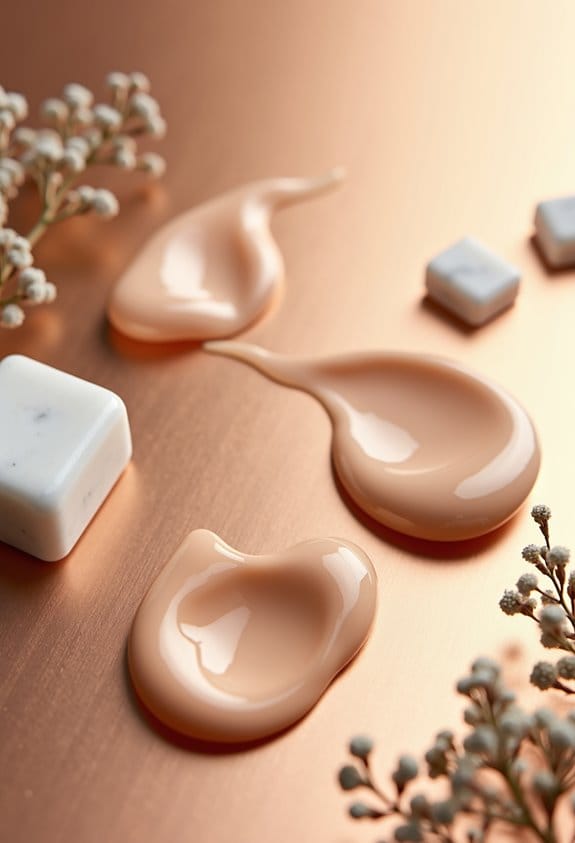
When we think about the silky smoothness in our favorite foundations or the way a primer glides effortlessly over skin, a handful of silicone types are often behind that magic. Dimethicone, for instance, moisturizes and creates a flawless application, almost like a gentle skin hug. Cyclopentasiloxane is known for that lightweight, quick-drying feel, making products disappear on us in the best way. Then there’s Phenyl Trimethicone, which adds shine while keeping oiliness in check—perfect for a fresh look. Amodimethicone, often found in hair care products, tames frizz and boosts manageability. If you peek at ingredients, silicones show up with suffixes like -cone, -conol, or -siloxane, signaling their presence in many beloved makeup products. These ingredients are often chosen for being hypoallergenic and safe, which makes them suitable for sensitive skin and eyes. So next time your makeup feels smooth, thank these sneaky helpers!
Recommended Products

SKIN-SMOOTHING and GRIPPING PRIMER: Your makeup. It’s not going anywhere. Prep skin with this gel-based face primer that has the power to grip your makeup while giving skin a natural finish for a smoother complexion.

GET A GRIP: Achieve the perfect makeup base with essence Jelly Grip Hydrating Primer. Whether you're aiming for a fresh, natural look or need a reliable primer for all-day wear, this jelly primer has got you covered.

PORE MINIMIZING & ANTI-WRINKLE PRIMER: The pore-minimizing formula of our primer face makeup tightens pores and gives a lifting effect to dull and saggy skin. This makeup primer for face with collagen helps to minimize the appearance of wrinkles, fine lines, and smooth skin texture so that it avails skin to be seamless.
Benefits of Silicones for Skin and Hair
There’s no denying that a few well-chosen ingredients can transform our daily skincare and hair routines, and some of the most reliable stars are those silicone compounds like Dimethicone and Cyclopentasiloxane. These ingredients create a protective barrier that locks in moisture, improving hydration and giving our skin and hair a smoother, healthier appearance. Unlike some natural products that might cause irritation, silicones are hypoallergenic, making them perfect for sensitive skin and hair. Plus, their water-repellent nature helps makeup stay put longer, preventing smudging and fading throughout the day. In hair care, silicones reduce frizz and boost shine, leaving strands soft and manageable — basically, your hair’s new BFF. So, while we love natural products, sometimes these silicone superheroes quietly work magic behind the scenes. Additionally, many waterproof foundations incorporate silicones to enhance their long-lasting durability and resistance to sweat and moisture.
Identifying Silicones on Ingredient Labels
We’ve all glanced at makeup ingredient labels and felt like we needed a secret decoder ring to figure out what’s inside. When it comes to silicones, don’t worry—they often end with suffixes like -cone, -silane, or -siloxane. Ingredients such as Dimethicone, Cyclopentasiloxane, and Amodimethicone are common and beloved for adding smoothness and improving texture. Thanks to the International Nomenclature of Cosmetic Ingredients (INCI), there’s a standardized way to spot them, making our label-reading adventures easier. Remember, silicones do more than sound fancy—they help with moisture retention and make products glide on effortlessly. Fun fact: some types, like Cyclotetrasiloxane, aren’t used everywhere due to regional regulations. So, next time you’re scanning your fave foundation’s label, you’re basically a silicone sleuth now! Many top professional foundations, like Este Lauder Double Wear, are formulated to be oil-free and non-cakey partly due to silicones enhancing texture and wearability.
Potential Health Concerns Associated With Silicones
Although silicones are generally praised for their skin-friendly qualities and slick performance in makeup, it’s smart for us to take a closer look at their potential health concerns. While most silicones don’t penetrate our skin—they just sit on top, forming a barrier—their tendency to trap impurities might not sit well with everyone’s skin. The European Union took a cautious step, banning Cyclotetrasiloxane (D4) due to its possible role as an endocrine disruptor, reminding us some silicones can be toxic substances. Though current research hasn’t flagged major risks, the cosmetic world’s looser regulations mean long-term effects remain uncertain. So, while we might love that smooth finish from products containing Dimethicone or Cyclopentasiloxane, it’s wise to keep an eye on ingredient lists and listen to our skin’s feedback. For those working in content creation or professional environments, investing in high CRI lighting can help reveal subtle skin reactions to makeup products more accurately.
Environmental Impact of Silicone Use
When we think about silicones in makeup, it’s easy to focus on how they smooth our skin or keep foundation in place. But the environmental impact of silicone use is a bit messier. These synthetic ingredients don’t break down easily—they’re classified as Persistent, Bioaccumulative, and Toxic (PBT), which means they stick around in the environment and build up in living things. Plus, when silicones wash down the drain, wastewater treatment plants struggle to filter them out, sometimes messing with biogas production and harming ecosystems. Some compounds, like Cyclotetrasiloxane (D4), even face regulatory restrictions due to their potential health and environmental risks. So while silicones offer cosmetic perks, their environmental footprint reminds us there’s more to reflect on when picking our favorite beauty products. Many makeup enthusiasts are turning to vegan brushes made with eco-friendly materials that prioritize sustainability alongside cosmetic performance.
Natural and Synthetic Alternatives to Silicones
While silicones have long been praised for their silky feel and smooth finish, finding natural and synthetic alternatives that do the job without the environmental baggage is becoming a real priority for us beauty lovers. Natural options like Avocado Oil Polyglyceryl-6 Esters and Shea Butter Ethyl Esters mimic that luxurious texture without the eco-guilt. Ingredients like squalane and essential fatty acids, including omega-3 and omega-6, hydrate skin effectively without feeling heavy or clogged—score for breathable makeup! Isoamyl Laurate and Apricot Kernel Oil also step in, offering pleasant textures, though they don’t quite replace every silicone magic trick. Some eco-conscious brands mix small synthetic silicones with mostly natural ingredients, balancing performance with responsibility. Thankfully, ongoing research keeps pushing us closer to true natural substitutes that honor both skin health and the planet. Many non-comedogenic foundations now blend oil absorption with lightweight textures to maintain a natural finish without pore clogging.
Recommended Products

Buildable Medium Coverage: Achieve a flawless complexion with customizable medium coverage that effortlessly blends into the skin for a natural, second-skin effect.

MAKEUP ADHESION & SKIN PREP IN ONE - Skin Perfecting Protective Base Prep by YUNJAC is a skin-perfecting primer that grips foundation like a pro while hydrating and smoothing the skin, ensuring a flawless, all-day makeup finish.

MAKEUP ADHESION & SKIN PREP IN ONE - Skin Perfecting Protective Base Prep by YUNJAC is a skin-perfecting primer that grips foundation like a pro while hydrating and smoothing the skin, ensuring a flawless, all-day makeup finish.
Tips for Choosing Silicone-Free Makeup Products
Since choosing silicone-free makeup can feel like decoding a secret language, it’s helpful to know what to look for on labels and how to spot sneaky ingredients. First, check for terms like DIMETHICONE or CYCLOMETHICONE, and anything ending in –cone, –conol, or –silane. These are the usual silicone culprits hiding in plain sight. We’ve found that opting for products labeled “silicone-free” saves loads of guesswork. Natural alternatives like squalane or Avocado Oil Polyglyceryl-6 Esters mimic that smooth texture without the environmental baggage silicones bring. Also, research brands committed to transparency and sustainability—they often highlight their silicone-free status. And hey, don’t underestimate clean beauty communities online; their reviews helped us avoid a few sneaky makeup traps ourselves. Trust us: a little label detective work goes a long way! For organizing your beauty products safely and efficiently, consider using a rolling makeup cart to keep everything accessible and in good condition.
Recommended Products

CONTAINS: 1 Stasher Silicone Reusable Touch-up Makeup Beauty Bag (12 Oz) in the color Taupe with the following dimensions: 7.5"W x 4.75"H.

[Skin-Friendly Silicone Tip] The soft, elastic silicone tip ensures smooth application on any area you desire – lips, cheeks, eyes, and body.

【2023 Newest Upgraded Design】--AGIKET makeup brushes holder features a magnetic securing clasp,prevents items from falling out of makeup holder,easy access to your makeup brush, the makeup brushes holder size: 8.86*3.2*1.5 inch
Frequently Asked Questions
Why Avoid Silicone in Makeup?
We’ve chosen to avoid silicone in makeup because it blocks breathability, burdening our skin health. By bypassing barriers, we boost better balance and banish buildup, benefiting both our beautiful skin and the broader biosphere.
Which Silicone to Avoid?
We should avoid silicones like Cyclotetrasiloxane (D4), D5, and D6 due to potential Silicone Reactions and environmental harm. Checking labels for -cone, -conol, or -siloxane endings helps us make safer choices together.
What Are the Different Types of Silicones in Cosmetics?
Let’s unravel the silicone variations that grace cosmetics: dimethicone smooths texture, cyclopentasiloxane dries fast, and amodimethicone conditions deeply. Together, these ingredients create that silky touch we all love and reach for daily.
How to Know What Makeup Products Are Silicone-Based?
We can spot silicone-based makeup by checking for keywords like -cone, -conol, -silane, or -siloxane in ingredient lists. Silicone Awareness helps us choose products that offer smooth application and long-lasting wear confidently.