As an Amazon Associate, we earn from qualifying purchases. Some links on this site are affiliate links at no extra cost to you. Our recommendations are based on thorough research and editorial judgment.

How Silicone Tools Differ From Traditional Applicators

We’ve found silicone tools outperform traditional applicators because their non-porous, smooth surface cuts product waste by about 30% and prevents that pesky bacteria buildup we all try to avoid. Unlike fiber brushes that soak up your pricey foundation, silicone holds onto exactly what you need, offering cleaner, quicker, and more precise application—especially for tricky masks or sensitive skin. Plus, they last longer and are a breeze to clean. Stick around, and you’ll discover even more reasons they’re game-changers.
Key Takeaways
- Silicone tools have a non-porous surface that prevents product absorption, unlike traditional fiber applicators that soak up makeup.
- Silicone applicators are easier to clean and more hygienic, reducing bacterial buildup compared to traditional brushes.
- Silicone tools provide even, clump-free application and better coverage, enhancing product efficiency and finish quality.
- The flexible, durable silicone material resists staining and maintains shape longer than traditional fiber applicators.
- Silicone applicators are lightweight and portable, with features like caps for mess-free travel not typically found in traditional tools.
What Defines Silicone Tools in Beauty Application

Silicone tools have really changed the game when it comes to beauty application, and it’s easy to see why we’re all jumping on board. Unlike traditional brushes, silicone applicators have a smooth, non-porous surface, making them super easy to clean. A quick rinse under warm water is enough—no more scrubbing for ages or worrying about lurking bacteria. Plus, silicone doesn’t soak up product like brushes do, which means less product waste and more money staying in your wallet. From clay masks to creams and gels, these versatile tools spread everything evenly and smoothly, helping us achieve a professional finish without those annoying clumps. Honestly, once you try a silicone applicator, going back to brushes feels like bringing a butter knife to a paint job. Who knew beauty tools could be so smart? They are also highly durable and reusable, promoting both hygiene and waste reduction in makeup routines.
Recommended Products
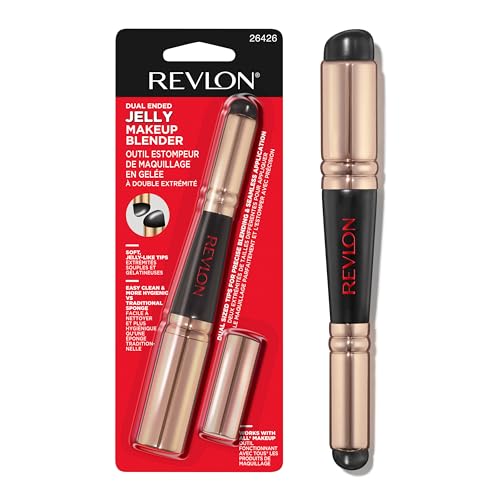
PRECISE APPLICATION: Works with cream and liquid makeup; The soft, jelly-like silicone tips mimic the feel of a fingertip; Not intended for foundation application

[Skin-Friendly Silicone Tip] The soft, elastic silicone tip ensures smooth application on any area you desire – lips, cheeks, eyes, and body.
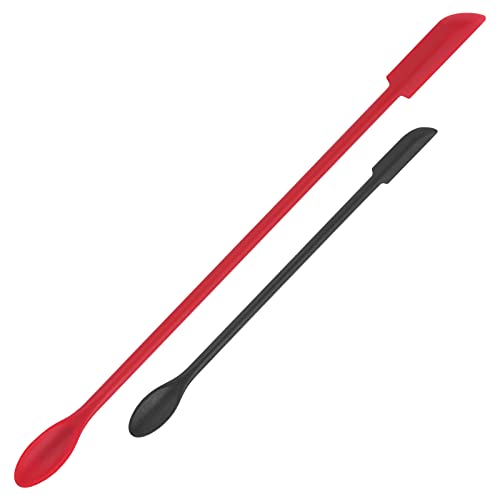
What you will get. Come with one 9.2 inch length red makeup spatula and one 6 inch length black mini spatula for cosmetics. Double-ended design, one side is mini spoon and the other side is silicone scraper
Material Differences Between Silicone and Traditional Tools
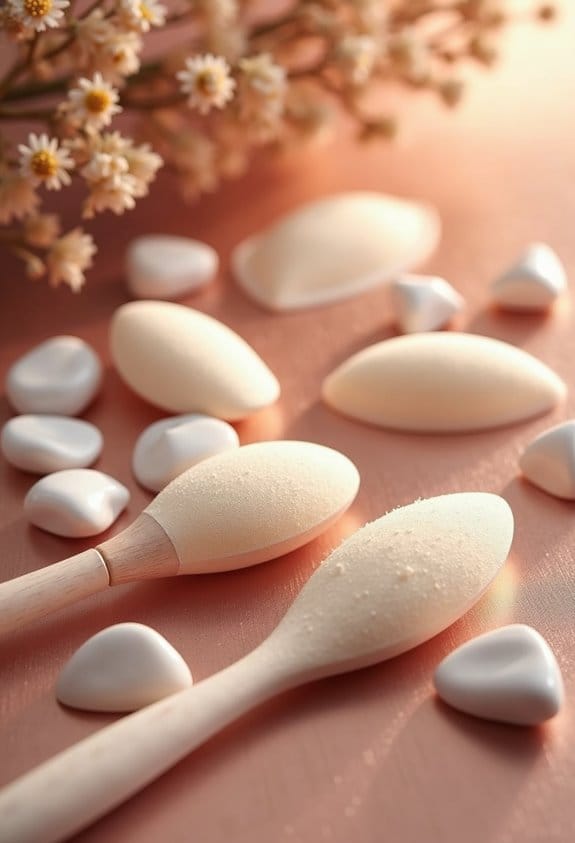
While traditional applicators have been our go-to for ages, they often come with hidden drawbacks, especially when it comes to their material makeup. Traditional applicators, made from natural or synthetic fibers, tend to soak up product, causing annoying product waste. In contrast, a silicone applicator boasts a non-porous surface that keeps every drop on your skin, which is a win in efficiency. Plus, silicone’s soft, flexible texture is kinder to sensitive skin, offering a gentle glide that brushes sometimes can’t match. Another perk? Silicone applicators are easier to clean—a quick rinse is usually enough—while traditional brushes can be a bit stubborn to sanitize properly. Over time, silicones also hold up better, resisting wear that leaves bristle brushes looking tired and frayed. This durability combined with easy maintenance makes silicone an excellent choice compared to latex-free foams, which also emphasize longevity and hygiene.
Recommended Products

【Value Set】The silicone applicator tool set includes brushes of various sizes suitable for different scenarios. The large brush is particularly suitable for facial care and foundation application, while the small brush is more suitable for the delicate processing of eye and lip makeup. This versatility makes the silicone makeup brush set a must-have for any makeup or crafting kit.

Great tool for face mask application. Holds a good amount of product and the silicone is soft feeling but firm enough to to spread mud masks. You can also apply it much more smoothly as well as with more precision. NOTE: These aren't brushes with bristles, they're silicone spatula applicators

[Easy Clean & Reusable]: Smooth non-porous silicone rinses quickly and air-dries fast, supporting repeated long-term daily craft and makeup use.
Hygiene Advantages of Silicone Applicators

Keeping our beauty tools clean is something we often overlook, but it really makes a difference in how well products work—and how safe they are for our skin. Silicone applicators offer a big hygiene boost thanks to their non-porous surface, which stops bacteria from nesting like it often does in traditional brushes. Cleaning these silicone tools is a breeze—we just rinse them with warm water and mild soap, and they’re ready to go, cutting down contamination risks. Since silicone doesn’t soak up skincare or makeup, it reduces bacteria transfer during application, which is a major win. Plus, their durability means we can reuse them without worrying about germs building up, making our routine cleaner and safer while keeping those pesky skin breakouts at bay. Using gentle, hypoallergenic cleansers designed specifically for makeup tools can further reduce bacteria buildup and prolong the tool’s lifespan.
Product Efficiency: Minimizing Waste With Silicone
Because product waste is a real buzzkill, we’ve got to talk about how silicone applicators help us save more of our favorite creams and masks. Unlike traditional applicators that soak up and trap product, silicone tools have a non-absorbent surface, making it easier to spread creams evenly and minimize waste. Studies show silicone tools can reduce product waste by up to 30%, which means more bang for our buck—and who doesn’t want that? Plus, silicone tools provide effective coverage with less product, speeding up our routine without sacrificing results. If you’re tired of scraping leftover product off brushes (hello, time-wasters), switching to silicone tools boosts product efficiency and supports a greener, smarter skincare habit. It’s like finally saying goodbye to that “just one more pump” panic! Additionally, their non-absorbent design reduces makeup absorption by approximately 50%, ensuring more product stays on your skin rather than being wasted.
Impact on Skincare Mask Application Techniques
We’ve seen how silicone tools help us squeeze every drop out of our favorite creams and masks, but their real magic shines when it comes to applying skincare masks. Unlike traditional brushes, which have absorbent bristles that can trap bacteria and soak up product—leading to more waste—silicone tools offer a non-porous surface that boosts hygiene and minimizes product waste. This means our skincare routine stays cleaner and more efficient. Plus, silicone applicators glide smoothly across the skin, making it easier to spread clay, cream, or gel masks evenly without irritation. Cleaning up is a breeze too; a quick rinse under warm water keeps them ready for the next pampering session. Honestly, once you switch, traditional brushes feel a bit like using a sponge to paint a masterpiece—less precise and messier! Additionally, food-grade silicone scrubbers are hypoallergenic and durable, making them safe for all skin types and long-lasting with proper hygiene.
Flexibility and Precision Offered by Silicone Tools
While some traditional applicators can feel stiff or clumsy, silicone tools shine by offering just the right amount of flexibility to glide smoothly over our skin without causing irritation. This flexibility lets silicone tools adapt perfectly to facial contours, making layered applications easier without sacrificing coverage. Plus, their precision means we can target tricky spots like the nose and chin more effectively, avoiding those annoying clumps or uneven streaks that brushes often leave behind. Another bonus? Silicone’s non-porous surface prevents unwanted product absorption, so more mask actually reaches our skin—not soaked into bristles like traditional tools. Honestly, switching to silicone tools felt like upgrading from a squeaky bike to a smooth electric scooter—effortless, precise, and way less messy. It’s a small change with a surprisingly big impact on our skincare routine. Additionally, unlike many makeup sponges, silicone tools require minimal cleaning to maintain hygiene due to their non-porous surface preventing bacteria buildup.
Recommended Products

【Premium Material】This face mask applicator brush is composed of three parts: silicone head, aluminum tube, and plastic rod. The silicone head is sturdy yet soft and doesn't have any sharp edges, making applying mud masks faster and more evenly distributed. It is an indispensable beauty tool for you

What You Will Get: 4 silicone mask brushes in 2 sleek designs—velvet-soft, stain-proof facial spatula tools that glide creams on in seconds; each makeup spatula rinses clean in a blink, ready for the next mask.

Easy to apply thin layers of skincare products evenly.
Cleaning and Maintenance of Silicone Vs Traditional Brushes
Though cleaning skincare tools isn’t anyone’s favorite chore, silicone applicators make it way less of a hassle compared to traditional brushes. Silicone brushes boast a non-porous surface that resists product residue, so a quick rinse with warm water and mild soap keeps them spotless and hygienic. Traditional brushes, however, can trap oils and product buildup deep in their bristles, requiring more intensive cleaning and sometimes multiple washes to truly refresh them. This makes cleaning and maintenance more time-consuming and less effective for traditional brushes, especially as product residue accumulates over time. Plus, silicone tools are more durable, so we replace them less often—saving money and reducing waste. If easy hygiene is your jam, silicone brushes definitely win the race in keeping our beauty routine simple and fresh. Additionally, using cruelty-free applicators aligns with ethical beauty practices and supports sensitive skin needs.
Skin Type Compatibility With Silicone Tools
When it comes to matching skincare tools with our skin types, silicone applicators really shine, especially if you’re dealing with acne, oily, or sensitive skin. Their skin type compatibility stems largely from the non-absorbent nature of silicone tools, which helps reduce product waste and keeps application hygienic—no soggy sponges soaking up your pricey mask! For sensitive skin, silicone’s gentle, flexible touch means less irritation compared to traditional brushes that can harbor bacteria and trap excess product. Even if you have normal or dry skin, silicone works beautifully for hydrating masks without stealing precious moisture. Plus, firmer silicone brushes handle thicker clay masks gently but effectively, showing they’re versatile, not just softies. So, whether you’re battling breakouts or just want a cleaner, kinder tool, silicone applicators are a smart move. They also complement the use of dermatologist-tested formulations found in many gentle cleansing balms.
Recommended Products

🎭Applies masks evenly and tightly on skin surface. Helps mask reach into all the nooks and crannies.
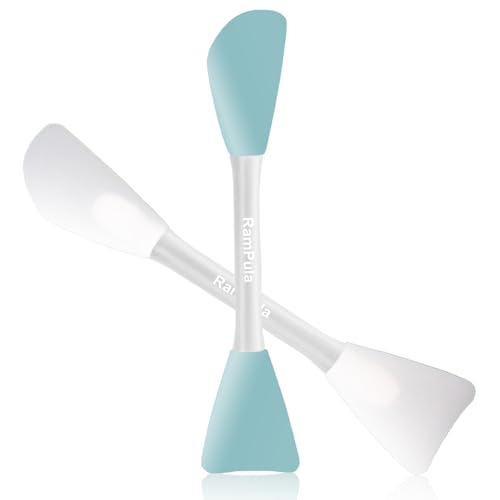
Perfect for liquid, mask and cream, use to apply foundation, cream, sleeping masks, mud masks, clay masks, body lotions, moisturizers, etc.,with just this one brush.

DUAL ENDED SILICONE MASK BRUSH: The silicone brush head on one end evenly applies the mask with a comfortable feel, while the fishtail spoon on the other end easily scoops out the mud mask without wasting a drop
Durability and Longevity Comparison
A key advantage of silicone tools over traditional applicators is their impressive durability and longevity, which we’ve noticed first-hand during regular skincare routines. Silicone tools are built to last, resisting staining and avoiding buildup that often ruins traditional brushes. Unlike those poor brushes that shed bristles faster than our patience fades, silicone applicators maintain their shape, flexibility, and performance over months or even years with proper maintenance. Their non-porous surfaces don’t soak up product, so they degrade less and stay hygienic way longer. Plus, cleaning them is a breeze compared to scrubbing stubborn residues off traditional applicators. While traditional brushes demand frequent replacements, silicone tools save money and time by sticking around, proving that durability paired with smart maintenance truly pays off in the long run. Additionally, regular cleaning and proper storage, as recommended in cleaning and maintenance tips, further enhance the lifespan of silicone tools.
Versatility Across Different Cosmetic Products
Sticking with silicone tools beyond their toughness, we’ve found they really shine when juggling all kinds of cosmetic products, from thick clay masks to silky liquid foundations. Their non-porous surface means less product waste, which is a win—no more soaking up expensive creams like a sponge. Thanks to the flexible design, these tools glide smoothly, giving us precise application, especially in tricky spots like the nose or chin. Whether it’s creamy moisturizer, gel mask, or even bold lipstick shades like Ruby Red #07, silicone tools handle it all without a hitch. Plus, cleaning them is a breeze, boosting hygiene and cutting down contamination risks way better than traditional brushes. Honestly, once you try them, going back feels like using a butter knife for surgery. Their compatibility with various makeup products makes silicone tools a versatile choice for enhancing any beauty routine.
Recommended Products

[Easy Clean & Reusable]: Smooth non-porous silicone rinses quickly and air-dries fast, supporting repeated long-term daily craft and makeup use.

Durable Construction: This silicone brush applicator kit features 14 premium brushes crafted from high-quality silicone material, ensuring long-lasting durability for repeated use. The brushes maintain their shape and flexibility over time, making them reliable tools for both beauty and crafting applications
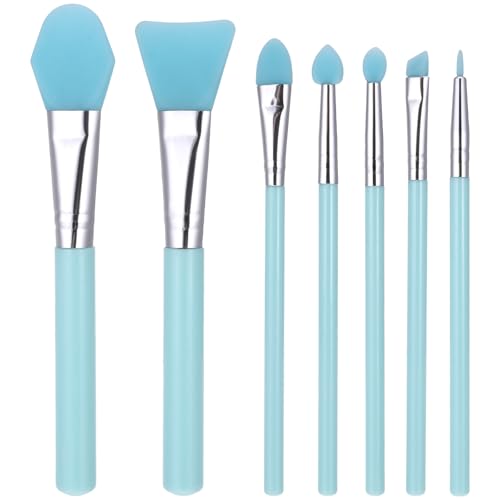
【Precision Tools】This set includes multiple silicone brush sizes to fit different makeup and skincare needs. Larger brushes work well for face care and foundation application, ensuring even coverage across the cheeks, forehead, and jawline. Smaller brushes are designed for detailed work, like eye makeup or lip color, helping blend products smoothly without smudging. Each size is tailored to its use, making it easy to achieve a polished look whether you’re doing a full face or touching up details.
Portability and Convenience of Silicone Applicators
Since we’re always on the move, having makeup tools that don’t weigh down our bags is a serious win, and silicone applicators deliver just that with their pocket-sized design. Their lightweight, compact build makes carrying several without turning our makeup pouch into a gym bag totally doable. Plus, many come with a cap, so we avoid messes and keep things hygienic—travel convenience at its best. Made from durable silicone, these tools shrug off breakage, promising consistent performance even on hectic days. And let’s not forget how easy-to-clean they are; a quick rinse and they’re ready for our next touch-up. Silicone applicators truly blend portability and convenience like pros, making them a smarter, fuss-free choice for busy beauty lovers like us.
User Preferences and Practical Considerations
What makes silicone applicators such a hit among users isn’t just their sleek look—it’s how well they actually fit into our everyday skincare and makeup routines. We love silicone tools for their hygienic, non-porous surfaces, which are perfect if you have sensitive or oily skin since they cut down on bacteria buildup. Plus, unlike traditional brushes, these tools don’t soak up product, so we waste less makeup or mask—saving both cash and frustration. Their firm texture offers impressive precision, especially when applying thick formulas like the Sephora Collection Honey Mask (Shade 15), making every stroke count. Cleaning is a breeze too; a quick rinse and they’re ready to go. Honestly, silicone tools blend convenience with smarter beauty habits—a win for all of us trying to keep it simple yet effective.
Frequently Asked Questions
Do Silicone Tools Work?
We’ve found silicone tools work well, offering superior durability compared to rubber. Cleaning silicone tools is easy, and their heat resistance stands out. User experience feedback highlights smoother application and better precision overall.
Are There Different Qualities of Silicone?
Like a rainbow’s range of colors, silicone comes in various qualities with different softness levels, heat resistance ratings, and durability. We explore medical silicone types and eco friendly silicone options in our silicone durability comparison for you.
What to Use Instead of a Silicone Tool?
If we’re looking for alternative applicators, we might consider traditional brushes or foam sponges. Comparing materials, brushes offer durability but cost more, while sponges absorb product. Application techniques vary, so we weigh durability and cost analysis carefully.
Do Caulk Smoothing Tools Work?
Yes, caulk smoothing tools work great if we follow proper caulk application techniques and select quality smoothing tool materials. Combining best caulk brands with DIY caulking methods and tool maintenance tips guarantees smooth, professional results every time.