As an Amazon Associate, we earn from qualifying purchases. Some links on this site are affiliate links at no extra cost to you. Our recommendations are based on thorough research and editorial judgment.

The Truth About Testing Foundation on Your Jawline Vs Wrist

When it comes to testing foundation, swiping on your jawline beats your wrist every time—our wrist skin has different undertones and temperature, which can trick us into a shade mismatch. Plus, the jawline’s closer to our face tone and reacts to oxidation and natural light, so formulas with niacinamide or hyaluronic acid, like Fenty’s 210, blend beautifully here. We’ve noticed wrist tests often lead to ashy or orange faces, and that’s no good. Curious about nailing the perfect match? Keep going.
Key Takeaways
- Testing foundation on the jawline reflects your actual face and neck tone, providing a more accurate match than the wrist.
- Wrist skin has different undertones and temperature, causing misleading color perception and inconsistent foundation results.
- Natural light reveals true foundation blending and oxidation effects, which jawline testing captures better than wrist testing.
- Nearly 50% of foundation returns stem from poor shade matches, often due to unreliable wrist testing methods.
- Matching foundation on the jawline ensures harmony with your neck and chest, minimizing visible lines and color mismatches.
Why Foundation Matching Is So Complex
Although many of us think swatching foundation on the wrist is the go-to method, the truth is that finding the perfect foundation shade is way more complicated than it seems. Our skin tone isn’t uniform; it varies across our face, neck, and chest, each influenced by sun exposure and skin conditions. Foundation matching gets tricky because a shade that’s a little off on your wrist may look completely different on your face. Relying on store associates or influencers alone doesn’t always help either—they often don’t account for undertones or how products oxidize over time. Given that nearly half of all foundation returns come from poor shade matches, we need smarter ways to test. Trust us, the wrist isn’t always your best bet for flawless foundation matching! For the best results, consider formulas with key ingredients like niacinamide and hyaluronic acid that adapt better to varying skin textures and tones.
Key Differences Between Jawline and Wrist Testing
Choosing where to test your foundation—jawline or wrist—can make a world of difference in how well it matches your skin. Testing on the wrist often leads us to the wrong foundation because wrist skin has different undertones and tends to stay the same color year-round, unlike our jawline which changes with seasons. When we swatch in natural light on the jawline, we see how the foundation truly blends into our face and neck, making it easier to avoid awkward, visible lines or color mismatches. Plus, oxidation can shift the shade after a few minutes, and only the jawline testing reveals this effect properly. So, while the wrist might seem easier, the jawline is hands down the smarter spot for accurate foundation matching. It’s also essential to consider using hypoallergenic and non-comedogenic formulas during testing to reduce irritation risks on sensitive skin.
Recommended Products

BUILDABLE NATURAL FINISH FOUNDATION: Lightweight, buildable-coverage liquid foundation delivers your ideal shade match while reviving skin for a smooth, replenished look in just two weeks

This lightweight foundation with salicylic acid manages to conceal blemishes, control shine, minimize pores, and suppress acne flare-ups, all without suffocating your skin.

Almay's liquid foundation formula instantly transforms from a white cream to your ideal shade as you smooth it on—that’s the magic of our technology
The Science Behind Undertones and Their Role
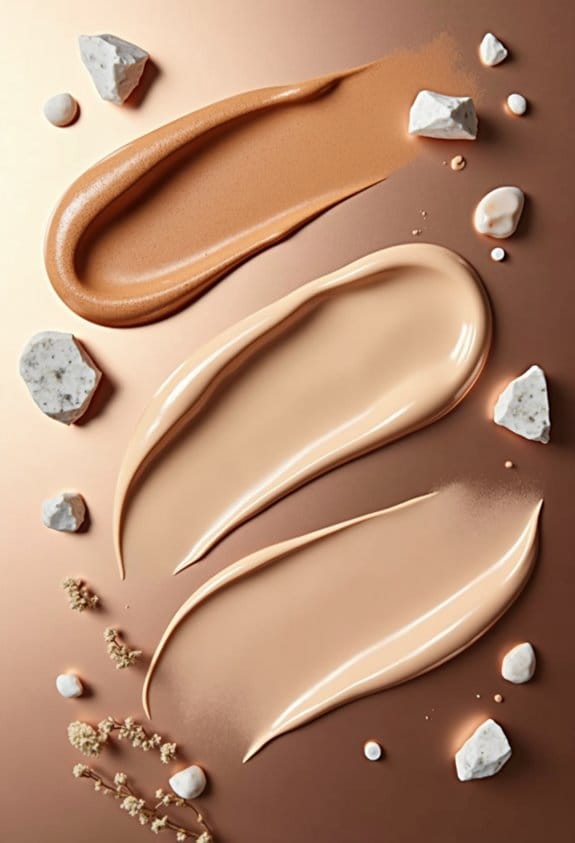
Now that we comprehend why testing foundation along the jawline trumps the wrist, let’s unpack what makes foundation matching truly tricky: undertones. Our skin tone is only part of the picture—undertones, which remain consistent, play a huge role in how foundation looks. For example, bluish veins hint at cool undertones, while greenish ones suggest warmth. Getting this wrong leads to a mismatched foundation—think ashy-looking skin if you wear a cool shade on warm undertones. Jewelry tests can help; gold flatters warm, silver suits cool, but fair skin isn’t always cool-toned, and deep skin isn’t always warm. Knowing this keeps us from foundation fails and helps us find shades that truly blend with our natural complexion—making that perfect match less of a gamble and more of a science. Choosing foundations with buildable coverage and a finish that complements your undertones ensures a natural and lasting look.
How Lighting Influences Shade Perception
Since lighting can make or break our foundation match, it’s essential we pay close attention to where we test shades. Store lighting, with its harsh fluorescents or warm bulbs, often distorts colors, making foundations look too yellow or blue—definitely not the perfect match we’re after. Natural light, on the other hand, is the real MVP for accurate shade testing. When we check foundation in daylight, we see its true tone and how it blends with our skin, unmasked by artificial shadows that can hide unevenness or false hues. A quick tip: bring a compact mirror outside or near a window to double-check your pick. Trust me, skipping natural light can turn your glow into a shade mismatch—unless you enjoy the “did I pick orange or beige?” game! Just like choosing the right cleansing product depends on ingredients like ceramides and jojoba oil for accurate skin treatment, selecting foundation shades in optimal lighting ensures your skin looks its best.
The Jawline as the Most Reliable Testing Spot
Although it might be tempting to swipe foundation on your wrist or hand, testing it on the jawline gives us a much better shot at matching our face and neck seamlessly. The jawline’s skin tone is naturally consistent with both areas, so foundation shades like Fenty’s 150 or Maybelline’s 128 look true-to-color here. Under natural light, we can spot even subtle undertone differences that might turn our faces into an unintentional “mask.” Plus, applying multiple foundation shades side-by-side on the jawline—not the wrist—lets us compare accurately, avoiding those awkward mismatches. In short, the jawline is our most reliable testing spot because it shows us how the foundation truly blends into our natural skin, making our makeup look flawless rather than face-painty. For storing your makeup essentials conveniently after testing, investing in a multi-tier makeup storage cart ensures your products remain organized and easily accessible.
Recommended Products

Magical colour changing liquid foundation- that goes on white and instantly self-adjusts to match your exact skin tone,it can be applied to any skin color. Sunscreen liquid...
Common Mistakes When Testing on the Wrist
When we test foundation on our wrists, we might think it’s a quick and easy shortcut—but it’s one full of pitfalls that can throw off our shade game. One common mistake is ignoring the wrist’s unique undertones; it’s often paler and can look totally different from our face due to sun exposure and dry skin patches. We’ve all fallen for picking a shade that “matches” the wrist, only to end up with a mask-like effect. Plus, those blue veins can trick us into choosing a cooler tone, even if our face leans warm. Relying on the wrist means missing how foundation blends with facial and neck tones, which, let’s face it, are the real MVPs in shade accuracy. So, trust us, the wrist isn’t always your best friend here. For the best results, testing foundation on the jawline is recommended as it provides more accurate shade matching by reflecting both face and neck tones closely.
Tips for Matching Foundation Accurately
Picking the right foundation shade is more than just swiping color on your wrist and hoping for the best—trust me, we’ve all been there, end up looking like we forgot to blend. For a true color match, testing foundation on the jawline is essential. It gives us a direct peek at how the shade interacts with our face and neck tones, avoiding that dreaded “mask” effect. When applying, we should blend it in slightly and wait about 5-10 minutes for oxidation, since foundations like Maybelline Fit Me’s Matte + Poreless (shade 228) can darken after sitting on the skin. Natural light is a must, as the fluorescent store lighting often lies to us! Finally, don’t forget to check how it blends behind the ears and onto the chest for a flawless finish. Using a primer tailored to your skin type can also improve foundation adherence and longevity for the best results, especially one with hydrating ingredients.
Recommended Products

DEEP HYDRATION BOOST: Infused with skin-conditioning ingredients, this hydrating face primer helps moisturize, soft, smooth, and prep skin for seamless makeup application.
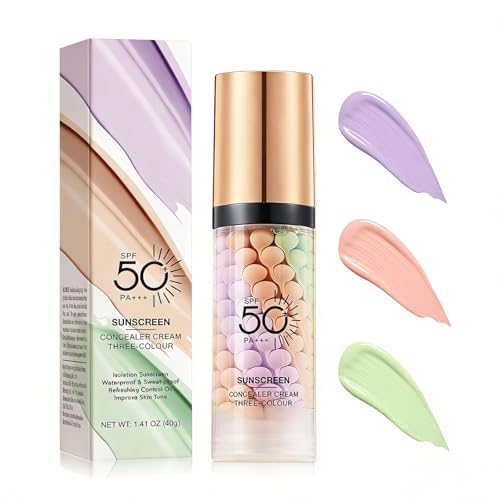
【One-Step Color Corrector Primer】This facial sunscreen combines color correcting, protective, and moisturizing properties in one serum-like formula. Infused with three color-correcting shades, it evens out skin tone and texture. Its innovative spiral-textured cream helps reduce dark circles and soothe winter dryness and redness.

GET A GRIP: Achieve the perfect makeup base with essence Jelly Grip Hydrating Primer. Whether you're aiming for a fresh, natural look or need a reliable primer for all-day wear, this jelly primer has got you covered.
Seasonal Considerations for Foundation Shades
Since our skin tone tends to shift with the seasons, it’s smart for us to rethink our foundation shades a few times a year—after all, that trusty Maybelline Fit Me Matte + Poreless in shade 228 might look perfect in fall but suddenly feel like a bad tan attempt in winter. Seasonal changes often mean we need to make shade adjustments, switching to slightly deeper tones in summer due to sun exposure, or lighter, more hydrating formulas when dryness kicks in. Testing foundation on the inner wrist can give us a quick glimpse of how those changes affect color, but it’s not foolproof—temperatures and circulation differ there. Adding bronzer to our favorite foundation can help bridge the seasons, saving us from splurging on a new product with every shift in the calendar. Considering creamy formulas in foundation selection can also help achieve a smoother, more adaptable finish across seasons.
Combining Foundation Matching With Skin Type Selection
Let’s plunge into how foundation isn’t just about matching the color—it’s about teaming that shade up with your skin type to nail a flawless look. Foundation matching means testing on your jawline, since it’s closer to your face tone than your wrist, avoiding those awkward color mismatches. But here’s the kicker: skin type selection is a good idea to get right, too. Oily skin loves matte foundations with oil-controlling agents like silica, while dry skin jumps for hydrating formulas featuring hyaluronic acid—in fact, my tester swore by the glowing finish from a hydrating shade like Fenty 210. Combining the right formula with precise color match reduces returns dramatically, proving it pays off to be particular. So, next time you shop, think beyond just shade number—factor in your skin’s unique needs for that perfect, barely-there feel. Using the right primer, such as a mattifying face primer for oily skin or a hydrating primer for dry skin, can further enhance your foundation’s performance and finish.
Recommended Products

Build Ideal Coverage: FV dewy waterproof foundation with medium to full coverage effectively evens out skin tone, covers blemishes and other imperfections on the skin. The liquid dewy foundation with a smooth formula without worrying about caking, feels weightless and looks flawless.

REDUCES WRINKLES: Anti-aging foundation instantly reduces the look of wrinkles for a smoother, more youthful appearance

Maybelline Fit Me Dewy Foundation With Spf: Ideal for normal to dry skin, this liquid foundation hydrates and smoothes skin texture for a natural-looking, luminous finish; Protects with SPF 18
Frequently Asked Questions
Where Is the Best Place to Test Foundation?
We believe the best place to test foundation is on your jawline, as it reflects true foundation undertones and skin tone analysis. Always check under natural lighting considerations to verify the shade seamlessly matches your face and neck.
Should You Match Foundation to Your Hand?
We shouldn’t match foundation to our hand because foundation matching techniques rely on skin undertone importance and consistency evaluation methods better suited for the jawline, ensuring a flawless, natural look that truly complements our facial complexion.
When Choosing a Foundation Color, Where Is the Best Place on Your Body to Test the Shade?
Let’s look closely: the jawline’s just right for testing foundation, revealing skin tone variations best. It balances light vs dark, captures seasonal changes accurately, and steers us away from mismatched shades common on wrists or hands.
Where Not to Apply Foundation?
We shouldn’t apply foundation on the wrists or neck alone, as ignoring skin undertones can cause mismatches. For foundation application tips, let’s avoid common mistakes by focusing on areas reflecting our true skin tone, like the jawline.