As an Amazon Associate, we earn from qualifying purchases. Some links on this site are affiliate links at no extra cost to you. Our recommendations are based on thorough research and editorial judgment.

How to Choose Blush Shades for Different Skin Tones

Choosing the right blush shade starts with knowing your skin tone—fair skin pops with soft pinks or peaches, while medium tones glow with mauve or berry. Deeper complexions shine in rich plums or vibrant corals, preferably in creamy formulas for blendability. Don’t forget undertones: cool folks thrive on roses, warm on peaches, and neutrals can swing mauves. Using a blush duo can mix dewy cream and matte powder for versatility. Stick with us, and you’ll find the perfect match that doesn’t look like a clown audition.
Key Takeaways
- Identify your skin tone (fair, medium, deep) as a foundation for selecting appropriate blush shades that complement your complexion.
- Match blush undertones to your skin’s undertones: cool with rose/berry, warm with peach/coral, and neutral with mauve/soft pinks.
- Fair skin suits light pinks, peaches; medium skin works well with mauve, berry, apricot; dark skin favors rich plums, vibrant corals.
- Prefer cream blushes for blendability and dewiness, especially on medium to dark skin tones, and consider layering for dimension.
- Test blushes in natural light to ensure the shade enhances your skin tone and achieves a natural, flattering glow.
Understanding Skin Tones for Flawless Blush Application
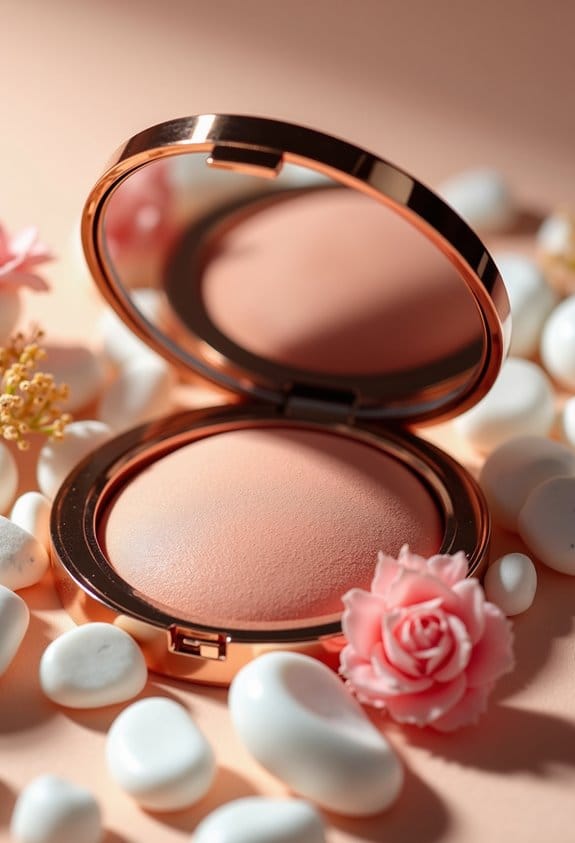
While it might seem simple to just “grab a pink blush,” we all know it’s not that straightforward if we want to truly glow. Getting the perfect match means understanding your skin tone—whether fair, medium, or deep. Powder Blush formulas behave differently depending on this, so selecting the right shade is key. For example, fair skin tones look best with light, subtle hues that won’t overpower, while deeper complexions can rock richer berries and corals. Don’t forget undertones—cool, warm, or neutral—since a blush that complements them can elevate your whole look. Think of finding your perfect Powder Blush like picking the right spice for a recipe: the wrong one can throw everything off, but the right one? Pure magic. Trust us; your cheeks will thank you! For the best results, consider using a soft brush or vegan applicator to apply and blend your blush smoothly.
Best Blush Shades for Fair and Light Skin Tones
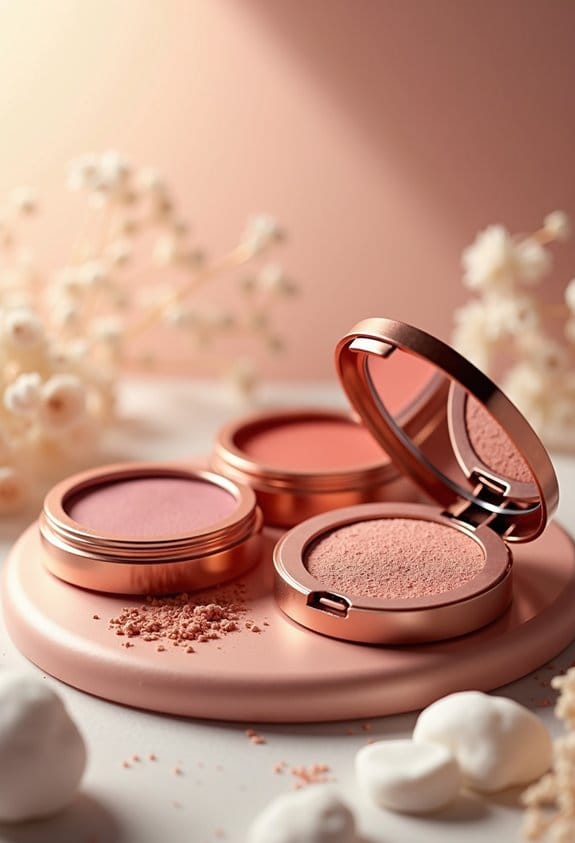
One of the easiest ways to freshen up fair and light skin tones is by choosing blush shades that feel like a natural, but slightly more fabulous, flush. We want a shade that’s light enough not to overwhelm—that’s why soft pinks, peach, and light coral hues work like a charm. If you have cool undertones, picking a blush with rose or berry—think red or blue-infused shades—boosts that fresh glow beautifully. Warm undertones? Try peachy or apricot blushes for an effortless, healthy sparkle. For neutral skin tones, soft pinks or mauves offer some playful flexibility without going overboard. Just avoid darker blushes; they can sneakily turn harsh and overpower your delicate complexion. Trust me, picking the perfect blush is all about subtle enhancement—your skin’s new best friend. Using an angled kabuki brush can help apply blush smoothly and blend it seamlessly for a natural finish.
Ideal Blush Colors for Medium Skin Tones
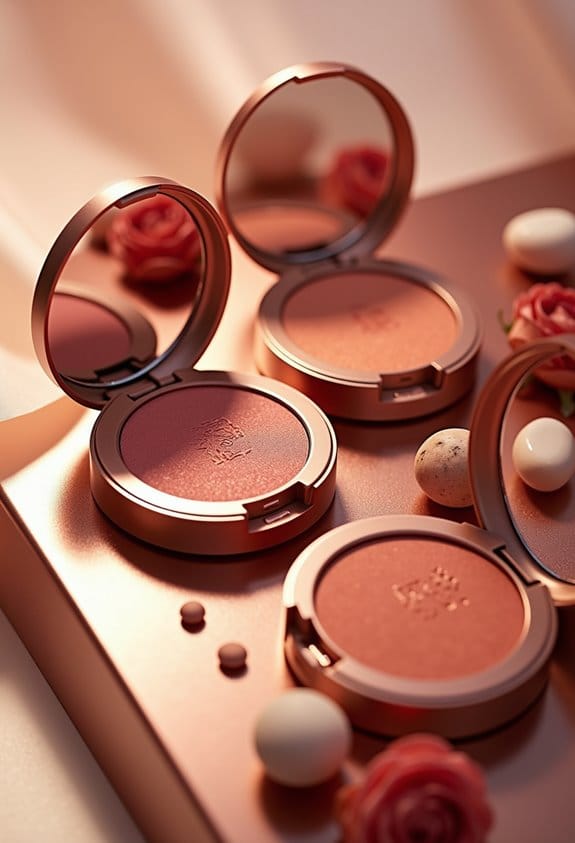
Fair and light skin tones have their soft pinks and peaches, but medium skin tones call for blush shades with a bit more oomph to really shine. For us, deeper hues like mauve, berry, and rose work wonders by enhancing our natural glow without looking flat. If your undertones lean warm, apricot, peach, or coral are your go-tos, while cool undertones pop best with fuchsia or cool pinks. When exploring seasonal blush trends, try cream or liquid formulas—they give that perfect dewy finish. Powder lovers, stick to buildable blushes for the right intensity. For blush application tips, gently layer color, so it blends seamlessly. And remember, whether it’s blush for special occasions or every day, choose what feels effortless and highlights your unique medium complexion. Products with multi-use versatility can simplify your routine by allowing you to apply blush on cheeks, lips, and eyes.
Choosing Blush for Tan and Dark Skin Tones
Even if we’ve spent years mastering blush for lighter tones, choosing the right shades and formulas for tan and dark skin calls for a fresh approach. Medium to deep blush shades like rich plums, deep berries, and vibrant corals truly pop without looking washed out. Cream blush formulas, such as Glossier’s Cloud Paint in Dawn (#tangerine lover alert), blend beautifully, offering that sought-after dewy finish. For blush application tips, remember bold colors like fuchsia and tangerine add a striking contrast and liveliness unique to darker skin. Popular blush brands often spotlight these hues, aligning perfectly with seasonal blush trends. One little word of caution—pastels might play hide-and-seek on deeper tones, so better to steer clear! We’ve learned that a bit of color savvy goes a long way. To maintain a flawless makeup look throughout the day, integrating long-lasting formulas similar to those praised for cat eye eyeliners can be highly effective.
How Undertones Affect Blush Selection
Although blush is often seen as a simple pop of color, choosing the right shade gets a lot trickier once we factor in undertones. The undertone importance cannot be overstated—it’s key to color matching that flatters your skin type rather than clashing with it. For example, cool undertones thrive with rose or berry blushes, while warm undertones glow with coral or peach. Neutral undertones? Lucky us—you can wear mauves and soft pinks, which balance your look beautifully. When testing, try shades in natural light; this helps reveal how the color interacts with your skin’s undertone, giving you that radiant, harmonious finish. So, thinking beyond mere shade names, let’s focus on undertones—they’re the unsung heroes in blush selection! Additionally, just as skincare products like brow serums use ingredients suited for sensitive skin, choosing blush formulas that suit your skin type ensures both beauty and comfort.
Cool-Toned Blush Options to Enhance Your Look
When we’re choosing cool-toned blushes, it’s all about finding shades that bring out that natural rosy glow without washing us out or looking too harsh. For lighter skin, softer pinks and mauves like NARS’ “Desire” (#50) work wonders, while medium tones shine with deeper berry hues—think MAC’s “Rebel” (#38), which layers beautifully without clumping. Darker complexions can rock rich plums like Fenty’s “Candy Venom” (#210), adding a stunning contrast that feels fresh, not overdone. Don’t forget blush application techniques; build color gradually using a fan brush for a natural finish, following popular seasonal blush trends to keep your look current. Layering blush colors can also give dimension—start with a lighter shade, then blend a deeper cool tone on the apples of your cheeks for that effortlessly radiant effect. To ensure all-day wear, consider using blushes with long-lasting formulas that maintain color without fading or patchiness.
Warm-Toned Blush Shades That Complement Your Skin
Cool-toned blushes have their charm, but for those of us with warm undertones, there’s a whole palette of shades that can truly make our skin sing. Think peachy blush options—they’re perfect for enhancing yellow and golden undertones without looking too harsh. Coral undertone varieties add just the right amount of brightness, especially on light to medium skin tones, creating a natural yet vibrant flush. For deeper complexions, apricot or orange-gold shades deliver a stunning contrast while harmonizing with our warmth. Don’t forget blushes with golden shimmer effects; they illuminate the skin beautifully, adding a subtle sun-kissed glow that feels effortlessly radiant. So, next time you pick a warm blush, keep those golden undertones in mind—it’s like giving your face a little high-five. Using the right brush material, such as synthetic fibers, can also enhance the application and finish of these warm-tone blushes.
Exploring Different Blush Formulas: Powder, Cream, and Liquid
Since choosing the right blush formula can completely change your makeup game, let’s break down the main types—powder, cream, and liquid—and see how each fits different skin types and moods. Powder blush offers a velvety finish with easy application techniques, perfect if you prefer matte looks or have oily skin. Cream blush blends seamlessly for that natural, dewy glow, ideal for dry skin needing a fresh touch. Liquid formulas are lightweight but pack impressive formula longevity, sticking around through long days and suiting dry or combination skin. Each delivers unique finishing effects that affect your makeup’s vibe, so choosing based on your skin’s needs and desired look is key. Trust us—we’ve tested shade #07 Coral Whisper in all three formats, and the differences really make or break the final look! Cream blush sticks, in particular, stand out due to their multi-use versatility and hydrating, radiant finish.
Benefits of Using Two Blushes in One Duo Sets
Blush duo sets, like Patrick Ta’s Major Headlines, are a game-changer for anyone who loves mixing things up without doubling their makeup stash. With versatile finishes—cream and powder—these duo sets offer layerable textures that let us play with our look easily. The cream side gives a dewy, fresh glow, while the powder delivers a smooth matte, perfect for days when we want a little more punch. Using both formulas together provides a customized application, enabling us to build intensity or extend wear effortlessly. Plus, the rich pigments work well for different skin tones and undertones, so there’s no guesswork involved. Honestly, it’s like having two favorites in one compact—efficient, fun, and perfect for adapting to whatever vibe we want! Many full coverage foundations also emphasize inclusive shade offerings ensuring a seamless match for all skin tones.
Frequently Asked Questions
How Do You Know Which Blush Shade Looks Best With Your Skin?
It is understood which blush shade suits us best by experimenting with blush application techniques, considering seasonal blush trends, and mixing blush shades to match our undertones and skin tone, ensuring a natural, flattering finish every time.
What Blush Fits My Skin Tone?
Like autumn leaves embracing change, we find darker blushes enliven deeper tones, while seasonal blushes bring warmth. With careful blush application, we can highlight our natural beauty, making every shade a perfect expression of us.
How Do I Figure Out My Undertone?
We can figure out our skin undertone identification by checking wrist veins and how our skin reacts to sun. For warm vs cool, gold or silver jewelry helps, and olive undertone options usually lean neutral, blending warm and cool tones.
How Do I Find a Cool Toned Blush?
Let’s think of blush as a painter’s stroke on a cool canvas; to find the perfect cool-toned blush, we use skin tone matching, blush application tips, and makeup layering techniques to blend seamlessly and highlight your natural glow.