As an Amazon Associate, we earn from qualifying purchases. Some links on this site are affiliate links at no extra cost to you. Our recommendations are based on thorough research and editorial judgment.

Why Your Neck and Face May Be Different Shades

We often notice our neck doesn’t match our face in shade because the face gets way more sun, boosting melanin and causing dark spots, while the neck’s thinner skin shows uneven tones as collagen drops. Hormones, aging, and different skincare habits—like slathering vitamin C on the face but forgetting the neck—add to the mismatch. Plus, neglecting SPF 30+ sunscreen on both areas lets discoloration sneak in. Stick with us, and we’ll unpack how to fix this skin drama.
Key Takeaways
- Faces receive more sun exposure than necks, increasing melanin and causing darker pigmentation on the face.
- Hormonal changes can trigger uneven melanin production, resulting in different shades between the face and neck.
- Skin thickness and oiliness differences make facial skin react differently to skincare products than neck skin.
- Aging reduces melanin in the neck while causing age spots on the face, creating visible color contrasts.
- Neglecting neck skincare routines leads to dullness and uneven tone compared to the regularly treated facial skin.
Understanding Skin Discoloration

While many of us just assume our neck and face are supposed to seamlessly match, skin discoloration tells a much messier story. It all boils down to melanin—the pigment controlling our skin tone—which sometimes plays favorites, causing uneven skin tone across different areas. Hormonal changes, like those during pregnancy or stress, can trigger hyperpigmentation or dark spots, making our complexion look patchy. Our skin care routine also matters; using products with ingredients such as niacinamide or vitamin C can help even things out, but neglect or irritation might worsen age spots. Plus, external factors—pollution, harsh cleansers, and lifestyle habits—add fuel to this pigment fire. So, it’s no surprise our neck and face often look like they belong to different people! Additionally, incorporating lightweight formulas like loose setting powders can help create a more uniform appearance by providing a smooth finish and controlling shine.
The Role of Sun Exposure on Face and Neck

Because our faces usually get way more sun than our necks, it’s no shocker that the two often show quite different colors. Sun exposure drives melanin production, which means our faces can develop hyperpigmentation and uneven skin tone faster than our necks. UV rays are sneaky culprits behind this skin discoloration, causing damage that adds up over time. A key mistake? Slathering sunscreen on the face but skipping the neck—hello, uneven tan! Curiously, studies show the face can have up to 20 times more pigmentation changes than the neck. So, if your neck seems lighter or less spotted, it’s largely because it gets less sun and often less sunscreen. Remember, consistent sunscreen use on both areas helps keep skin tone balanced and wards off long-term skin damage. To visually balance uneven skin tones, many turn to products with highlighting and concealing properties for a polished look.
Recommended Products


ADVANCED NECK TIGHTENING & LIFTING: Our Neck Firming Cream is specifically formulated to tighten and firm sagging skin on the neck and chest area, restoring a youthful, smooth appearance. This formula targets "turkey neck" by improving elasticity and firmness for a more sculpted, youthful appearance.
Melanin Production and Its Effects

Sun exposure definitely cranks up melanin production, but there’s more going on beneath the surface influencing our skin’s color differences. Melanin, the pigment giving our skin its shade, can cause hyperpigmentation, especially in sun-exposed areas like the face. This uneven skin tone often puzzles us when our neck looks lighter by comparison. Environmental factors, like pollution, also boost melanin production, adding dark spots and patches. As we age, age-related pigmentation shifts, sometimes creating a patchy look due to irregular melanocyte activity. Plus, while hormonal changes—and yes, I mean melasma—tend to affect the face more than the neck, that’s another chapter. Overall, protecting skin health from sun and pollution helps manage melanin production, keeping that face-neck color match a little less dramatic—because who really wants to look like a two-tone cow? Using skincare products with hydrating and plumping ingredients can help maintain a more even complexion by improving skin texture and moisture.
Hormonal Influences on Skin Color
As our hormone levels shift—whether we’re pregnant, hitting menopause, or even dealing with PCOS—our skin can play its own little game of color-changing tricks, especially on the face. Hormonal changes often ramp up melanin production, leading to hyperpigmentation like melasma, those pesky dark patches that pop up more on our face than our neck. Insulin resistance from PCOS can worsen facial discoloration, making skin tone uneven. Hormonal medications, such as birth control pills, also mess with our skin color, causing uneven pigmentation. The face tends to react more dramatically because it’s hormonally sensitive, which explains why our face and neck can look like totally different cousins. So, understanding how hormones influence skin tone helps us better tackle this uneven pigmentation, with smarter skincare choices and a bit of patience.
Impact of Age on Skin Tone Variations
We’ve seen how hormones can keep our skin tone playing tricks, especially in the face and neck department, but aging adds another layer to this colorful story. As we age, melanin production often decreases in parts like the neck, while the face—with its daily sun exposure—tends to develop age spots and more pronounced pigmentation variations. Skin thickness also thins out, making the neck more translucent and revealing uneven skin tone or skin discoloration more clearly. Hormonal changes don’t help either; they contribute to that patchy look we sometimes notice. Plus, years of environmental damage hit the face harder, causing more visible pigment shifts. So, it’s not just genetics—time and sun can make our neck and face look like they belong to two different people! Using natural extracts in skincare routines can help soothe and improve uneven skin tone caused by these aging effects.
Differences in Skin Texture Between Face and Neck
Even though our faces and necks are basically neighbors on the same landscape, their skin textures couldn’t be more different. Facial skin tends to be thicker and oilier thanks to more oil glands, which can create a shine and sometimes a rougher surface from daily UV radiation and pollution exposure. Meanwhile, the neck generally has fewer oil glands, making its texture smoother but prone to dryness and uneven tone, especially if it’s skipped in our skincare routine. Plus, collagen levels differ; facial skin usually has better elasticity, while the neck’s lower collagen density invites fine lines faster. So, hydration needs vary too—what works on our face might leave the neck thirsty or over-moisturized. Understanding these texture differences helps us care better for both areas, avoiding a mismatched look we’d rather not rock. Proper lighting from an adjustable brightness mirror can also assist in accurately assessing these differences for effective skincare.
Influence of Skincare Products and Habits
While we might think slathering on our favorite moisturizer or sunscreen hits every inch of visible skin, it turns out the way our face and neck react to skincare products can be surprisingly different. Many skincare products, especially those with active ingredients like hydroquinone or retinoids, lighten or exfoliate facial and neck skin unevenly, causing discoloration. Plus, most of us are diligent applying sunscreen on our face but often skip the neck, leading to darker tones there from sun exposure. Cosmetics, if not fully removed from the neck, can cause irritation and worsen uneven skin tone. Hydrating creams also play a role—neglecting the neck can impair skin barrier function, making it look dull compared to the more moisturized face. So, treating these areas equally is key for even shades. Additionally, using setting powders matched to skin tone can help create a seamless and uniform appearance between face and neck.
Recommended Products
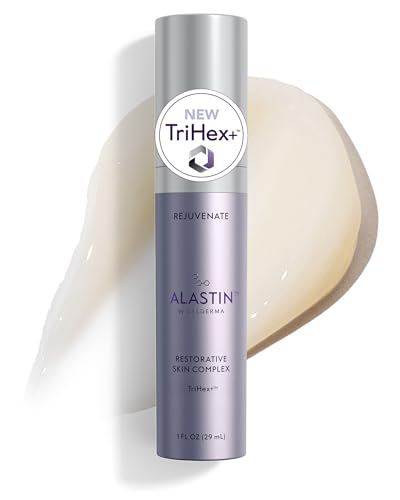
Powerful Peptide Serum helps visibly improve the appearance of collagen- and elastin-depleted skin with newly advanced technology. Targeting skin texture, tone, volume, hydration and elasticity.

SUN-SAFE DAILY DEFENSE DUO SET WITH RETINOL-LIKE SERUM: Unlike traditional retinol, it is safe for daytime use with no photosensitivity. Paired with 100% mineral SPF 50 to visibly smooth wrinkles, refine pores, and defend against UV aging

ANTI-AGING: Hydrates and firms while helping reduce the appearance of fine lines and wrinkles
Common Skin Conditions Affecting Face and Neck Color
Since our face tends to catch more sun and stress than our neck, it’s no surprise that common skin conditions can make the color differences between these areas pretty obvious. Sun exposure ramps up melanin production on our face, causing uneven pigmentation like age spots and discoloration that are usually less severe on the neck. Skin conditions such as melasma, rosacea, and eczema highlight facial redness or blotchiness, giving our face a different skin texture and tone compared to the neck’s usually smoother appearance. Post-inflammatory hyperpigmentation from acne or injuries also creates contrast we don’t always see on our neck. While some health conditions can affect skin color, treatments like laser therapy often help even out these differences. So, recognizing these factors helps us understand why these shades just don’t match. Using translucent setting powders can also help create a more even appearance by blurring imperfections and reducing shine on the face.
Recommended Products

FABRIC: Made from 100% Solution Dyed Olefin offering superior fade protection with built in UV protection
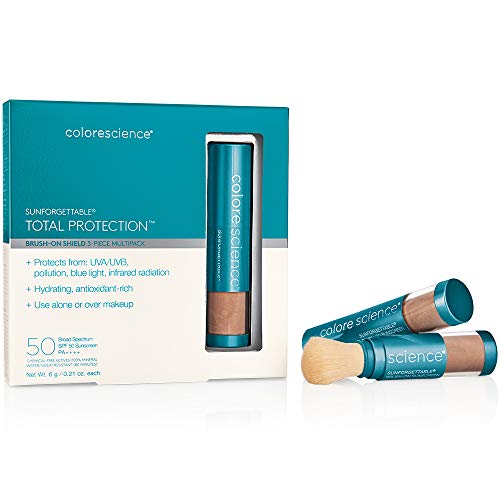
100% mineral SPF 50 PA++++

LOOSE POWDER - Phyto-Poudre Libre is an airy powder that's exceptionally fine & light as a veil. It creates a perfecting halo that gives incomparable radiance & sets makeup. It glides over the face like a second skin for a perfectly natural result.
Diagnosing Uneven Skin Tone
How can we tell if uneven skin tone between our face and neck is more than just a harmless cosmetic quirk? First, consider sun exposure—our face often catches more rays than the neck, triggering pigmentation disorders. Hormonal changes, like pregnancy, can cause melasma mainly on the face, not the neck, adding to the uneven skin tone. Post-inflammatory hyperpigmentation from acne scars also creates darker facial patches, contrasting with a lighter neck. Differences in skin thickness and environmental damage play roles, too; our face’s thinner skin reacts more readily. Plus, neglecting application of products on the neck while focusing on the face disrupts consistent skincare. Observing these signs helps us distinguish natural variations from underlying issues needing expert attention—because no one wants a mismatched mask situation! Maintaining a consistent routine and using products that protect and even skin tone can help reduce disparities between areas. Consider using compact cosmetic palettes to organize and apply products evenly across your face and neck for more uniform results.
Recommended Products

Deep Hydration & Nourishment: The Rich Cream face moisturizer offers deep hydration, reducing the appearance of fine lines and wrinkles while restoring a youthful, plump look. Perfect for normal to dry skin, mature skin types, and colder, drier climates, it deeply nourishes and conditions, replenishing moisture and leaving your skin feeling soft, smooth, and balanced. This anti-aging moisturizer supports skin’s elasticity, maintaining a healthy, supple complexion all day long.

Deep Hydration & Nourishment: The Cream face moisturizer offers deep hydration, reducing the appearance of fine lines and wrinkles while restoring a youthful, plump look. Perfect for normal to dry skin, mature skin types, and colder, drier climates, it deeply nourishes and conditions, replenishing moisture and leaving your skin feeling soft, smooth, and balanced. This anti-aging moisturizer supports skin’s elasticity, maintaining a healthy, supple complexion all day long.

A Complete Skin Brightening System: The Obagi Nu-Derm Fx System is a complete skincare routine to help transform the look of your skin by noticeably evening out & brightening your complexion
Prevention and Treatment Strategies
When we want to keep our face and neck looking like they belong to the same person, consistent care is key—starting with a broad-spectrum sunscreen boasting at least SPF 30. Applying sunscreen daily guards against UV rays that trigger melanin imbalances and discoloration. Don’t forget to exfoliate gently once a week; it helps shed dead skin cells, promoting an even skin tone and better absorption of treatment options like vitamin C serums. Speaking of vitamin C, it’s a potent antioxidant known to brighten skin and reduce uneven patches. Maintaining healthy skin goes beyond skincare products—embracing a diet rich in antioxidants supports overall skin health too. Additionally, using products with hydrating ingredients such as hyaluronic acid can improve skin texture and enhance the effectiveness of topical treatments. Ultimately, consulting a dermatologist is smart; they can tailor treatment options and keep tabs on any stubborn discoloration that doesn’t budge.
Recommended Products

FULL BROAD-SPECTRUM UV DEFENSE: Combines zinc oxide and organic UV filters to effectively shield skin from harmful UVA and UVB rays, ideal for outdoor industrial work.

Dermatologist Recommended: Lip Repair Lip Balm from Aquaphor, the #1 dermatologist recommended lip care brand

Our Unblemish Regimen offers a comprehensive 4-step skin care routine to combat adult acne. Includes acne wash, clarifying toner, dual intensive acne treatment, and invisible matte defense SPF 30.
Frequently Asked Questions
Why Is My Face a Different Color to My Neck?
We notice your skin tone varies between face and neck due to sun exposure, makeup application, skincare products, and tanning effects. Seasonal changes, age factors, genetics influence, environmental factors, and lifestyle choices also contribute to these differences we all experience.
How to Make Neck the Same Color as Face?
Since 80% of sun damage occurs before age 18, we recommend a skincare routine focused on sun protection for color matching. Using foundation shades, tanning products, and makeup tips with color correcting can achieve even skin tone despite seasonal effects.
Can My Face and Neck Have Different Undertones?
Yes, our face and neck can have different skin undertones due to genetic factors, sun exposure, seasonal changes, and lifestyle habits. These differences impact makeup application, skincare routines, and can signal dermatological issues or age differences influenced by environmental impacts.
Why Are My Skin and Face Two Different Shades?
We notice skin tone differences from color variations caused by sun exposure and lifestyle factors. Makeup application, skincare routine, aging effects, skin sensitivity, seasonal changes, and body temperature all impact how our face and neck appear to us.