As an Amazon Associate, we earn from qualifying purchases. Some links on this site are affiliate links at no extra cost to you. Our recommendations are based on thorough research and editorial judgment.

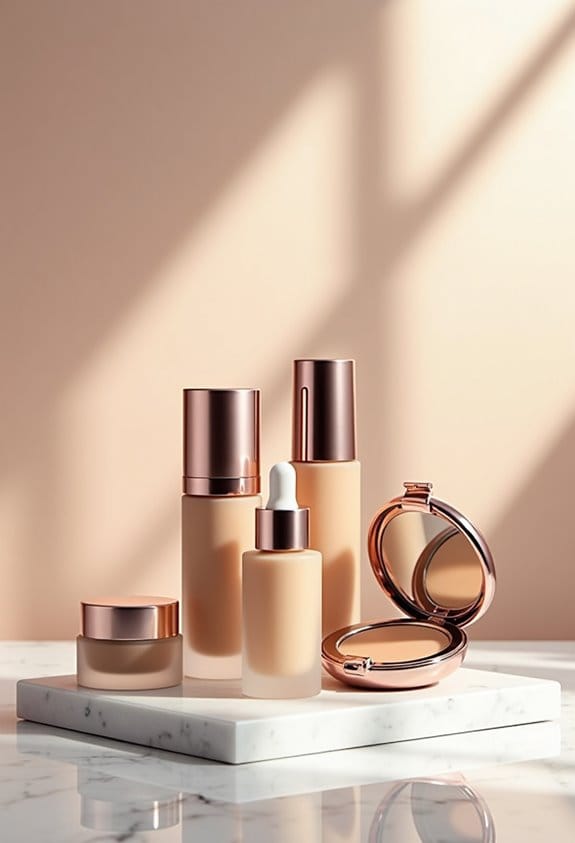
The Evolution of Foundation Formulas Through Decades

We’ve come a long way from ancient Greeks smearing white lead for “perfect” skin, which—spoiler alert—was toxic. Fast forward to Max Factor’s 1937 Pan-Cake, a water-activated powder that made makeup feel less like armor. The ’50s brought us lightweight, rub-resistant liquid foundations from pioneers like Elizabeth Arden and Coty. Today, formulas focus on skin-friendly ingredients like zinc oxide and glycerin, plus trends toward diverse shades thanks to brands like Fenty Beauty. Curious about what’s next?
Key Takeaways
- Ancient foundations used toxic white lead and chalk, creating a pale, flawless look despite health risks.
- Max Factor’s 1937 Pan-Cake introduced water-activated powder, revolutionizing natural everyday makeup coverage.
- Liquid foundations emerged in the 1930s-50s, offering blendability and smoother, skin-friendly finishes.
- Modern formulas prioritize skin health using ingredients like zinc oxide and glycerin for safe, effective coverage.
- Inclusivity expanded with Fenty Beauty’s 40 shades in 2013, driving diverse and non-comedogenic foundation offerings.
Ancient Origins and Early Ingredients

Though we might think of foundation as a modern beauty staple, its roots actually trace all the way back to ancient Greece and Rome. Back then, women used foundation made from white lead and chalk as complexion enhancers—mainly to signal social status. Cosmetic chemists today might cringe, knowing white lead’s health risks, but it was all they had. Even during the Renaissance, people kept using lead-based mixtures, ignoring the dangers because flawless skin was a must. Thankfully, modern formulations have come a long way since those hazardous days. Max Factor’s launch of Pan-Cake foundation in 1937 was a turning point, introducing a water-based formula that gently covered flaws without the toxic baggage. So, while our rituals feel new, we’re really following centuries of experimenting with foundation. Isn’t it wild how beauty trends stick around? Today, many people prefer makeup products applied with synthetic brushes that are designed to be gentle on the skin and provide a smooth finish.
Toxic Foundations and Renaissance Beauty Standards

When it comes to the history of foundation, the Renaissance era really takes the cake for how far people were willing to go for a flawless pale complexion—seriously, it was both a beauty goal and a health nightmare. Back then, ceruse, a lead-based product mixing white lead and vinegar, was the go-to despite causing skin discoloration, hair loss, and other serious health concerns. Queen Elizabeth I famously embraced this toxic trend, setting harsh beauty standards that even cosmetic companies later struggled to reform. Women also practiced harmful rituals like bloodletting just to appear paler. Moving into the Victorian era, cosmetics became more discreet, with alternatives like rice powder, but the shadow of these lead-based products lingered. It’s a stark reminder how our quest for beauty sometimes ignored safety—and thankfully, we’ve learned a lot since then. Today’s professional foundations, such as the Este Lauder Double Wear Matte Foundation, are formulated to be safe, free from harmful ingredients, and suitable for a variety of skin types.
The Birth of Modern Foundation in the Early 20th Century

The story of modern foundation really kicks off with one game-changing invention: Max Factor’s Pan-Cake Makeup, introduced in 1937. Before this, makeup was mostly theatrical greasepaint—heavy and not exactly subtle. Pan-Cake Makeup was the first commercially available foundation designed for everyday use, offering a smoother makeup application thanks to its water-activated powder formula. This breakthrough gave us a natural finish with reliable coverage, something the early 20th century beauty industry badly needed. By 1940, one in three North American women owned it, proving its popularity. Max Factor’s innovative formulations didn’t just change how we apply makeup—they shaped the entire beauty industry’s future. Honestly, it’s hard to imagine modern foundation without Pan-Cake—a true foundation pioneer that made looking polished accessible, not just for Hollywood stars. Today’s full coverage foundations build on this legacy by offering hydrating benefits and long-lasting wear tailored to diverse skin types.
The Rise and Dominance of Liquid Foundations
Building on Max Factor’s game-changing Pan-Cake Makeup, the world of foundation started to get a serious makeover with the rise of liquid formulas in the 1930s and ’40s. Early liquid foundation, originally for leg makeup, wowed women by offering rub-resistant, flawless skin coverage that didn’t budge. Elizabeth Arden quickly jumped on board, crafting cosmetic formulations that made daily makeup routines smoother and more natural-looking. By the 1950s, brands like Coty introduced lightweight tinted liquid foundations with varied shades, matching diverse skin tones better than ever. Liquid foundations replaced powders and creams, celebrated for their blendability and skin-friendly finish. These innovations set the stage for decades of improvements, giving us the modern, long-lasting liquid foundations we rely on today—a true beauty evolution that’s hard to over-compliment! Today’s formulas often include SPF protection, combining skincare benefits with makeup for enhanced longevity and skin health.
Recommended Products

【SPF 50+ 4-in-1 Formula】: Our liquid foundation offers the ultimate convenience by seamlessly matching your natural skin tone. This multi-functional product acts as both foundation and concealer, providing instant hydration in just 30 seconds. With long-lasting, waterproof coverage that lasts a full 24 hours, it also boasts SPF 50+ protection against harmful UV rays.

【SPF 50+ 4-in-1 Formula】: Our liquid foundation offers the ultimate convenience by seamlessly matching your natural skin tone. This multi-functional product acts as both foundation and concealer, providing instant hydration in just 30 seconds. With long-lasting, waterproof coverage that lasts a full 24 hours, it also boasts SPF 50+ protection against harmful UV rays.

Neutrogena Healthy Skin Liquid Makeup Foundation with SPF 20 in 1 Fl. Oz. delivers natural-looking, even coverage while helping protect against sun damage and nourishing skin with Pro-vitamin B5 and antioxidants
Advances in Formulation and Inclusivity Efforts
Though foundation has come a long way since its early days of lead and mercury-filled formulas—yikes!—today’s products focus heavily on skin-friendly ingredients like zinc oxide and glycerin that nourish while they cover. Advances in foundation formulation now prioritize skin health alongside finish and wear. Modern foundations include powder, silicone-based formulas, and water- or oil-based types, thoughtfully designed for different skin needs. Inclusivity efforts truly took off with Fenty Beauty’s 40 inclusive shades in 2013, sparking innovations in color matching using ultramarine pigments to better serve diverse skin tones. Labs like L’Oréal’s Multicultural Beauty Lab continue pushing boundaries, creating unique makeup formulations that celebrate diversity. Honestly, finding your perfect shade and formula has never been easier—or more fun—thanks to these thoughtful, skin-loving advancements. Many of today’s best formulas are also non-comedogenic foundations, preventing clogged pores while providing coverage.
Recommended Products

1-oz of Neutrogena Healthy Skin Sensitive Skin Serum Foundation with Pro-Vitamin B5 in shade Light 03, to help keep skin healthy looking, blur imperfections and designed to minimize the look of fine lines and cover pores

1-oz of Neutrogena Healthy Skin Sensitive Skin Serum Foundation with Pro-Vitamin B5 in shade Light/Medium 02, to help keep skin healthy looking, blur imperfections and designed to minimize the look of fine lines and cover pores

BUILDABLE NATURAL FINISH FOUNDATION: Lightweight, buildable-coverage liquid foundation delivers your ideal shade match while reviving skin for a smooth, replenished look in just two weeks
The Digital Age and Personalization in Foundation Makeup
Seven years after Fenty Beauty shook up the beauty world with 40 shade options in 2013, it’s clear we’re living in an era where personalization isn’t just a cool extra—it’s almost a necessity. Today’s foundation game thrives on innovations like personalized foundation formulas tailored to diverse skin tones, thanks to handy augmented reality apps like ModiFace. These multitasking products don’t just offer flawless coverage—they pack skincare benefits, such as hyaluronic acid and niacinamide, to hydrate and brighten while masking imperfections. Plus, eco-friendly packaging shows that looking good and being sustainable can coexist. If you’re like me, juggling imperfect lighting and unforgiving mirrors, virtual testing saves us from major shade fails. So, embracing technology means smarter, gentler foundation choices—finally, foundation that truly fits both our faces and values. For flawless application and seamless blending of these personalized formulas, many rely on mini kabuki brushes known for their dense, high-quality bristles and ergonomic design.
Recommended Products

Tinted Hydrating Serum Vegan Foundation: Formulated with Hyaluronic Acid to leave skin smoother and more hydrated, plus luminous mineral pigments for lightweight coverage and to brighten complexion

Non-comedogenic and oil-free; a foundation that won’t clog pores; formulated with hyaluronic acid for a boost of hydration that leaves skin looking more even
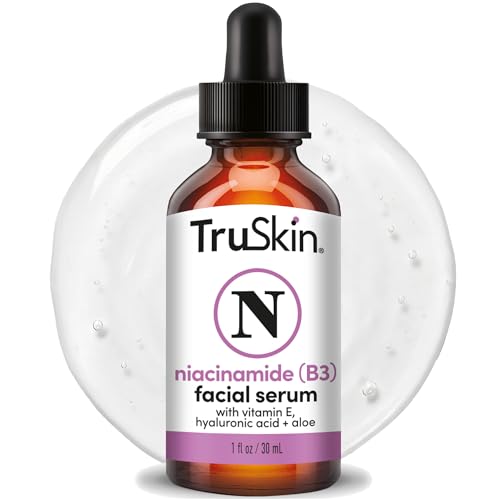
PORE-REFINING DAILY SERUM: Niacinamide (Vitamin B3) helps minimize the appearance of pores, improve uneven tone, and smooth texture for clearer-looking, more balanced skin.
Frequently Asked Questions
How Do Foundation Formulations Impact Different Skin Types Today?
We choose matte formulas for oily skin and dewy finishes for dry types, combining cream, liquid, or powder foundations with mineral options. Hybrid products offer versatile coverage levels, while skin ingredients and precise color matching guarantee perfect, comfortable wear for everyone.
What Role Do Preservatives Play in Foundation Longevity?
Did you know preservatives can extend shelf life up to two years? They prevent microbial growth, ensuring product stability and formula safety. By balancing preservative types, we reduce skin irritation while meeting regulatory standards and promoting ingredient transparency and consumer awareness.
Are All Foundations Safe for Sensitive Skin?
Not all foundations suit sensitive skin. We should prioritize ingredient safety, avoiding harsh chemical components. Mineral foundations, hypoallergenic products, fragrance-free options, and dermatological testing help guarantee skin compatibility and reduce allergic reactions through clear formulation transparency.
How Does Foundation Coverage Affect Skin Health?
Think of foundation coverage like a garden’s soil layer—too thick, and roots struggle. We find that breathable formulas with moisturizing effects, proper color match, and gentle application protect the skin barrier, reducing acne flare-ups and enhancing wear time.
Can Foundation Formulas Adapt to Climate Variations?
Yes, foundation formulas can adapt to climate variations by incorporating ingredient innovation for moisture retention, UV protection, and temperature resilience. Seasonal formulations address texture variations, humidity effects, and skin hydration, ensuring ideal climate adaptability despite environmental factors.


