As an Amazon Associate, we earn from qualifying purchases. Some links on this site are affiliate links at no extra cost to you. Our recommendations are based on thorough research and editorial judgment.

How Melasma Affects Foundation and Concealer Choices

Dealing with melasma means we need foundations and concealers that do more than just sit there looking pretty—they must cover stubborn brown or gray patches without caking or settling into creases. We lean toward full-coverage, buildable foundations with peachy or yellow undertones, like Nars Radiant Creamy Concealer or Hourglass Vanish Airbrush Concealer, for that polished yet natural finish. Hydration and non-comedogenic formulas are key, because nobody wants makeup mishaps and clogged pores. Curious about perfecting this expert-backed routine?
Key Takeaways
- Melasma’s uneven skin tone requires full-coverage foundations with yellow or peach undertones to effectively conceal discoloration.
- Color correctors in peach, yellow, or orange neutralize melasma patches before foundation application.
- Creamy, buildable, non-comedogenic foundations prevent clogged pores while providing necessary coverage.
- Full-coverage, long-lasting concealers with skin-nourishing ingredients are essential for masking stubborn melasma spots.
- Proper layering and setting techniques help maintain a natural finish and prevent makeup from creasing or fading on melasma-affected skin.
Understanding Melasma and Its Impact on Skin Tone

Though melasma might sound like a fancy science term, many of us know it all too well—it’s those stubborn brown or gray patches that usually hang out on our cheeks, forehead, upper lip, and nose. Melasma often leads to an uneven skin tone, which, let’s admit, can be a bit of a makeup challenge. That’s where a full-coverage foundation steps in, especially formulas with yellow or peach undertones—they work wonders in masking discoloration without turning us into paint palettes. Alongside, a color corrector tailored to neutralize brown or gray hues can make all the difference under concealer. Understanding how melasma impacts our skin lets us pick products that blend perfectly, making our complexion look smoother and more natural, not like we’re hiding behind a mask. Choosing foundations that offer full coverage with hydrating benefits can ensure comfortable wear throughout the day while effectively concealing melasma patches.
Importance of Choosing the Right Foundation Base

Choosing the right foundation base is absolutely key when dealing with melasma because not every foundation formula is up to the challenge of evening out those stubborn darker patches. We’ve found that full coverage foundations with buildable layers work wonders, especially creamy or balm textures that really stick to the skin rather than sliding off. Warm or yellow undertones in a foundation help neutralize the brownish dark spots, giving us a more even skin tone without looking cake-faced. It’s not just about coverage; a good match also smooths the way for concealers and powders to perform better. Think of the foundation as your skin’s best friend—it sets the stage perfectly. If a foundation can’t do that, it’s basically just showing off, not helping. Additionally, selecting from non-comedogenic foundations helps prevent clogged pores and skin irritation, which can be crucial for maintaining healthy skin while managing melasma.
Recommended Products

Address hyperpigmentation with this all-in-one regimen that immediately color-corrects and protects with all-mineral SPF 50.

Vitamin C Lotion: Contains 30% Vitamin C to brighten and moisturize skin

The celebrity secret to flawless looking skin: Aeroblend airbrush foundation feels weightless on your face. Color stays true and lasts for at least 10 hours. Get coverage for acne, sun damage, redness, or anywhere you want to even out skintone without looking heavy or cakey. Does not contain silicone, fragrances, paraben, or mineral oil.
How Melasma Influences Concealer Selection

After laying down the perfect foundation base, we recognize the real test comes with concealer—especially when melasma is in the mix. Choosing a full-coverage concealer is key; it must effectively mask those stubborn brown patches without feeling like you’re wearing a mask. We’ve found that formulas enriched with skin-benefiting ingredients like niacinamide not only cover but also soothe and treat uneven skin tone. A long-lasting, crease-resistant finish is vital because no one wants their concealer settling into fine lines by noon. And yes, color correctors can help, but we’ll save that juicy detail for later. For now, remember: pick a concealer that blends seamlessly and stays put, turning your melasma battle into a manageable daily win. It’s like magic, minus the wand. Additionally, choosing products with hydrating ingredients can provide comfort and improve the overall appearance of the skin beneath concealer.
Recommended Products

ADVANCED DARK SPOT CORRECTOR FOR FACE & BODY: Formulated with an advanced upgraded formula to help visibly fade dark spots, sun spots, freckles, melasma, age spots, brown spots, and uneven discoloration. Promotes clearer, smoother, and more radiant-looking skin with consistent use.

Brightening Powerhouse - Our Dark Spot Corrector is formulated with a meticulously crafted blend of Licorice root extract, α-Arbutin, Niacinamide, Morinda citrifolia extract, and Fermented Pomegranate extract. This cream performs its enchantment on your skin, delivering unprecedented brightness and renewal. Want to know the specific benefits of each ingredient? Check out the detailed description below.

Water-free,Oil-free and Fragrance-free.
Best Color Correctors for Neutralizing Melasma
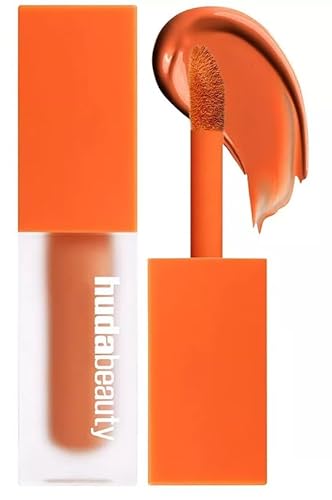
A handful of color correctors really shine when it comes to tackling melasma’s tricky brown and gray patches, and knowing which shade to reach for can make all the difference. The best color correctors for melasma are usually peach, yellow, or orange tones because they counteract pigmentation effectively without looking clownish. For medium-to-dark skin tones, deep orange or red-tone correctors work wonders, while pinky peach suits lighter complexions best. Applying these color correctors before foundation is key to creating an even base. We also recommend opting for formulas with skin-friendly ingredients like niacinamide or aloe vera, which calm the skin. Blending with a sponge or brush helps the color correctors disappear seamlessly—because nobody wants their makeup screaming, “Hey, I tried!” Including nourishing ingredients such as Vitamin E and Hyaluronic Acid in your makeup products can also help improve skin hydration and comfort throughout the day.
Recommended Products
Clinically Tested: Safe for Sensitive Skin

COLOR-CORRECTING PALETTE: Our all-in-one correcting palette was designed to address every skin tone imperfection. This palette features velvety smooth, color-correcting creams and translucent setting powders. For all color correction concerns.

Mineral broad-spectrum SPF 50 with non-nano Zinc Oxide delivers powerful sun protection. Formulated with shades to match diverse skin tones. Shields against UVA/UVB and environmental stressors.
Makeup Formulations Ideal for Melasma Coverage
While melasma can sometimes feel like that stubborn guest who just won’t take a hint, finding the right makeup formulations can seriously help us put those dark patches in their place. Many makeup artists recommend full-coverage foundations and the best concealers like Hourglass Vanish Airbrush Concealer for their high pigmentation and long-lasting power. Hydrating concealers such as Nars Radiant Creamy Concealer work wonders too, as they address dryness and fine lines while camouflaging dark spots. We should also consider skincare products that prep our skin, like primers that blur imperfections, ensuring smoother application. For a natural finish, products like Armani Beauty Luminous Silk Concealer offer medium coverage without the dreaded cakey look. With the right lineup, melasma becomes far less of a daily battle. To maintain skin health while using makeup daily, it’s important to incorporate gentle cleansing methods like makeup remover balms to effectively remove makeup and nourish the skin.
Recommended Products

100% mineral SPF 50 PA++++


The information below is per-pack only
Application Techniques for Even Skin Tone With Melasma
Since anyone battling melasma knows it can stubbornly resist even the best makeup, mastering application techniques is key to achieving that coveted even skin tone. First, we always start with a blurring and moisturizing primer—it smooths the skin and really helps foundation stick without sliding off by noon. Next, color correctors come into play: peach or orange tones for medium-to-dark skin, and pinky peach for lighter complexions, neutralizing dark spots effectively. For foundation, a full-coverage formula with a yellowish base works wonders, especially when layered gradually. We love using a dense stippling brush to gently press foundation into tricky patches. To seal the deal, a light dusting of setting powder locks everything in place, keeping melasma-covered areas flawless—no midday touch-ups necessary! Using a mini makeup sponge can enhance blending precision around stubborn melasma spots, ensuring seamless coverage.
Role of Skincare Ingredients in Concealers for Melasma
Choosing the right concealer for melasma isn’t just about coverage—it’s about what’s inside the formula, too. Many concealers now blend skin-care magic with makeup, like niacinamide and tranexamic acid, which tackle pigmentation while brightening. Though less common, brightening vitamin C can boost radiance, especially where melasma meets acne scars. Hydrating ingredients like hyaluronic acid or squalane keep dry patches comfy, as seen in Hourglass Vanish Airbrush Concealer. Products such as Lancôme Teint Idole Ultra Wear sneak in moringa seed and rose extract for extra skin health. Plus, color correctors with peach or orange hues help neutralize stubborn brown patches, making a huge difference. So, it’s not about slapping on product but choosing formulas thoughtfully—like your skin’s BFF, not its frenemy. It’s important to select hypoallergenic formulations to ensure the concealer is gentle on sensitive skin affected by melasma.
Combining Concealers and Foundations for Optimal Coverage
When we want to tackle melasma with makeup, pairing the right concealer and foundation is like assembling the ultimate dream team. First, using a color corrector—peach for lighter or deep orange for darker skin tones—neutralizes those stubborn spots before applying foundation. We find a full-coverage foundation, like KVD BEAUTY Good Apple or LAURA GELLER Double Take, essential for that buildable, flawless base. Then, layering a high-coverage waterproof concealer such as Hourglass Vanish Airbrush Concealer helps lock in extra concealment where melasma is most intense. Finally, sealing everything with a translucent setting powder prevents creasing and keeps our look fresh all day. It’s like putting armor on your face—because no one wants their melasma playing peek-a-boo! To enhance the overall complexion, adding a buildable matte bronzer can create dimension without emphasizing texture.
Recommended Products

Lightweight Foundation: Provides a lightweight, smooth coverage for all skin tones

All Natural, Only 4 Ingredients: Comprised of only Titanium Dioxide, Bismuth Oxychloride, Zinc Oxide, and Iron Oxide for sun protection and skin-friendly benefits, ensuring compatibility with all skin types, including sensitive and acne-prone skin.
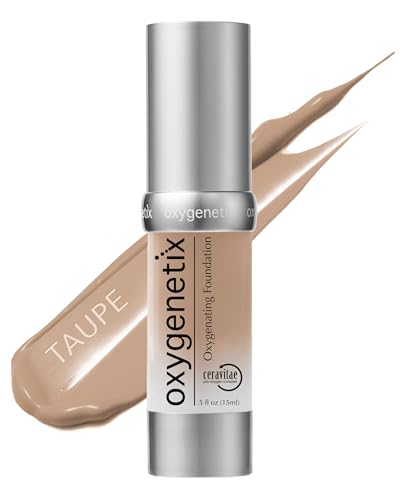
PROFESSIONAL FOUNDATION TRUSTED BY DERMATOLOGISTS & MAKEUP ARTISTS: Originally developed for post-procedure skin care, this breathable foundation delivers buildable coverage that performs like luxury makeup while supporting skin health. Used by makeup artists on Hollywood sets and recommended by skincare professionals for sensitive, reactive, or compromised skin.
Tips for Long-Lasting Makeup on Melasma-Prone Skin
After layering on our color correctors, foundations, and concealers, the next step is making sure our hard work stays put all day—no one wants to discover their melasma is staging a comeback by noon. We start with a blurring primer to smooth skin texture and boost product grip, making foundation and concealer adhere better. Choosing full-coverage foundations with yellow undertones helps neutralize dark patches, giving us a flawless base. Applying color correctors first is vital—they tackle those stubborn spots before foundation locks in coverage. To finish, setting sprays and powders seal the deal, controlling shine and preventing makeup meltdown. Remember, regularly updating products to match our skin’s changing needs keeps our routine fresh and effective. Trust us, these steps make long-lasting coverage look effortless, even on melasma-prone skin! Using a pore filling primer enhances makeup longevity by creating a smooth base that minimizes imperfections.
Professional Insights on Melasma and Makeup Choices
Though melasma can feel like a tricky opponent, experts agree that understanding the right makeup tools is half the battle won. Makeup artists emphasize full coverage foundations with buildable formulas—think KVD BEAUTY Good Apple—allowing us to target dark spots without cake face fears. Before foundation, applying peach or orange color correctors neutralizes stubborn patches, especially for medium to dark skin tones. Hydrating concealers like Nars Radiant Creamy Concealer not only cover but boost radiance, a major win for dry skin often linked to melasma. Remember, a solid skincare routine paired with regular dermatologist visits is key; makeup alone can only do so much. So, let’s blend science and art to keep melasma covered while feeling confident and comfortable every day. For added festival-ready confidence, incorporating hypoallergenic adhesives in your routine, as found in rhinestone face gems, can help reduce skin irritation when adding decorative makeup elements.
Addressing Common Challenges in Concealing Melasma
Covering melasma isn’t your average makeup game; it throws a few extra hurdles our way. Dark spots need serious attention, so we reach for buildable, full-coverage products—think Estée Lauder Double Wear in shades 3W1 or 4N1, which layers well without looking cakey. Before that, a peach or orange color corrector like the LA Girl Pro Conceal in Orange cancels out brown patches effectively. Hydrating formulas matter too; they smooth texture and keep fine lines at bay, as testers noticed with Clinique’s Even Better Glow. It’s tempting to pile on product, but patience wins—light layers let us control coverage and keep the finish natural. Honestly, regular testing and expert advice save us from makeup mishaps, turning tricky melasma into just another step in our flawless routine.
Frequently Asked Questions
What Foundation Will Cover Melasma?
We recommend full coverage foundations combined with color correcting products to neutralize melasma effectively. Mineral makeup options can be gentle yet concealing. Don’t forget skincare preparation to guarantee a smooth, lasting finish before applying makeup.
How to Wear Makeup With Melasma?
When wearing makeup with melasma, we start by applying primer for a smooth base, use color correction to neutralize discoloration, follow daily routines with lightweight products, and finish with setting sprays to lock everything in all day.
Does Makeup Worsen Melasma?
When Ana switched to heavy, fragranced makeup ingredients, her melasma flared up. So, let’s focus on a gentle skincare routine, daily sun protection, and color correcting to manage melasma without worsening it through makeup choices.
What Type of Concealer Is Best for Hyperpigmentation?
We find that the best concealer for hyperpigmentation combines careful concealer shade selection with color correction techniques and gentle application methods. Prioritizing product ingredients like niacinamide boosts skin health while ensuring effective, long-lasting coverage.