As an Amazon Associate, we earn from qualifying purchases. Some links on this site are affiliate links at no extra cost to you. Our recommendations are based on thorough research and editorial judgment.

How Often Different Makeup Tools Need Cleaning

We all love flawless makeup, but keeping tools clean is key! Brushes, especially for foundation and concealer, need a weekly deep clean, while powder brushes can chill for a couple of weeks. Sponges? They’re party animals—clean after every use to avoid mold. Eyelash curlers deserve wiping after each round and a weekly scrub, with monthly rubber pad swaps. Tweezers get disinfected after use, scissors monthly. Stick to gentle shampoos and alcohol wipes, and your tools will thank you. Curious how to nail this routine?
Key Takeaways
- Clean makeup brushes weekly, with foundation and concealer brushes needing deep cleaning every 1-2 weeks.
- Beauty sponges require cleaning after every use and should be replaced every three months.
- Wipe eyelash curlers with alcohol after each use and deep clean them weekly, replacing rubber pads every 3-4 months.
- Sanitize tweezers after every use and disinfect scissors monthly to prevent bacterial growth.
- Maintain regular cleaning schedules to ensure hygiene, tool longevity, and optimal makeup application results.
Importance of Regular Makeup Tool Cleaning

Although it might seem like a hassle, cleaning our makeup tools regularly is one of the smartest beauty habits we can adopt—and here’s why: bacteria love to throw a party on brushes, sponges, and lash curlers, which can quickly lead to breakouts, irritation, or even infections. To keep our skin happy, it’s essential to clean your makeup brushes with gentle soap and rinse thoroughly, then dry them on a clean towel to avoid bacteria buildup. Beauty sponges are even trickier—they soak up products and bacteria alike, so regular cleaning after every use is a must. Skipping these steps not only threatens skin health but also dulls our makeup’s finish. Think of regular cleaning as a tiny investment that pays off with clearer, healthier skin and better-looking makeup every day. Experts recommend deep cleaning every 1-2 weeks to maintain hygiene and brush performance.
Cleaning Frequency for Makeup Brushes
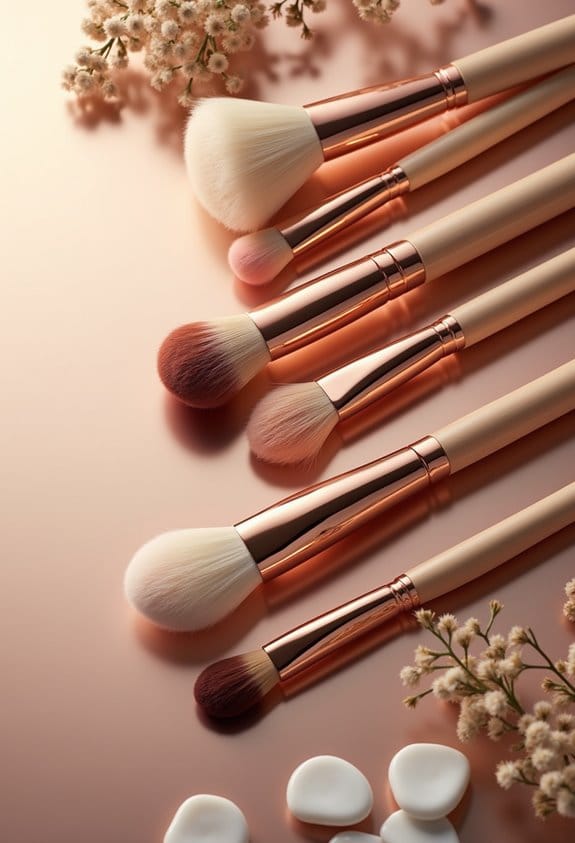
A solid rule of thumb is to clean your makeup brushes at least once a week—trust me, your skin will thank you. Makeup brushes regularly cleaned prevent product residue buildup and help avoid nasty breakouts. Foundation and concealer brushes especially need a weekly deep clean since they pick up oils and bacteria that can cause irritation. Powder brushes, on the other hand, can handle a slightly easier schedule, but don’t skip cleaning them every couple of weeks. When brushes aren’t cleaned regularly, those clogged bristles don’t just mess with your makeup’s smooth finish—they become breeding grounds for bacteria. So, while weekly washing might sound like a chore, it keeps your tools working well and your complexion clear. We’ve all got better things to do than nurse a breakout, right? Similar care should be taken with makeup sponges, as regular cleaning is essential to prevent bacteria and product build-up.
Daily Care Tips for Beauty Sponges

Just like our brushes, beauty sponges need a bit of love after every use to keep them performing their best and protect our skin from unwanted breakouts. First, we make sure to clean them thoroughly by hand washing in warm, soapy water—squeezing gently to remove every bit of makeup residue without tearing the sponge. Using a specialized sponge cleanser can work wonders here, but a gentle soap does just fine for daily maintenance. After rinsing, we never skip air drying completely; letting our beauty sponges dry in open air prevents any sneaky mold or bacteria from crashing the party. Finally, remember to replace your beauty sponges every three months to keep your skin happy and your makeup flawless—because nobody wants a grimy sponge messing up their look or their face! Regular cleaning and maintenance help extend the life of your sponges and ensure safe, effective makeup application, emphasizing the importance of care and maintenance.
Maintaining Hygiene for Eyelash Curlers
When we’re aiming for flawless lashes, keeping our eyelash curlers clean is just as important as the curling itself. After every use, we should wipe down eyelash curlers with makeup remover or a cotton pad dampened with alcohol. This quick cleaning helps prevent bacteria from hitching a ride to our eyes, which no one wants. To maintain proper hygiene and keep these tools in good shape, a thorough cleaning once a week is key. It not only stops infections but also gets rid of stubborn product buildup that dulls performance. And don’t forget to replace the rubber pad every 3-4 months; it’s like new shoes for your lashes, making curling comfy and effective. Trust us—clean eyelash curlers are happier, healthier tools! Incorporating regular maintenance can also enhance the overall effectiveness of your skincare products.
Best Practices for Tweezers and Scissors
Keeping our tweezers and scissors clean isn’t just about looking pro—it’s an essential step to prevent those pesky infections and keep our beauty routine running smoothly. We should clean our tweezers after every use to stop bacteria from hanging around. Scissors, especially those used for false lashes or brows, need sanitizing at least once a month—and right after each use, no exceptions. Using alcohol wipes or cotton pads soaked in isopropyl alcohol works best to disinfect them thoroughly, killing germs quickly. Regular cleaning not only protects our skin but also keeps these tools sharp and working well. Plus, storing them in a clean, dry place prevents dust buildup, which helps maintain their cleanliness and longevity. Trust me, your skin—and your scissors—will thank you! It’s also important to adopt a regular cleaning routine to minimize bacterial buildup and maintain tool hygiene.
How Often to Clean Hairbrushes and Combs
After making sure our tweezers and scissors are sparkling clean, it’s time to turn our attention to hairbrushes and combs, which also deserve a good scrub now and then. To keep clean brushes in top shape, we should remove hair strands after every use; it’s like giving them a mini spa treatment! If we rely on styling products, clean hairbrushes weekly to avoid stubborn product buildup. Otherwise, a thorough wash every 2-3 weeks works fine. Soaking them in warm water mixed with gentle shampoo for 3-5 minutes loosens dirt without damaging handles—especially wooden ones, which hate soaking. Don’t forget to inspect for wear and tear regularly; if bristles are stiff or misshapen, it’s time to replace them. Trust us, clean brushes make a noticeable difference! To maintain optimal hygiene and performance, it’s also essential to use synthetic brushes when possible, as they are easier to clean and resist damage better than natural hair brushes.
Cleaning and Caring for Facial Rollers and Gua Shas
Since facial rollers and gua shas have become our trusty sidekicks in glowing skin quests, it’s essential we treat them right with some regular TLC. Gua shas need a wash with warm water and gentle soap after every session to dodge bacteria buildup and keep our skin happy. Facial rollers? A quick wipe-down post-use helps erase product residue and germs, but give them a deeper clean once or twice weekly. Always dry these tools thoroughly with a microfiber cloth or soft towel because moisture on them can invite mold—we don’t want that. For a final disinfecting touch, spritz with 70% isopropyl alcohol when fully dry. Trust me, regular cleaning keeps our gua shas and facial rollers working their magic and our skincare routine on point! Additionally, using non-toxic and hypoallergenic products in your routine ensures that any residue left on your tools remains safe for your skin.
Sanitizing Dermaplaning Razors and Microcurrent Tools
Even though dermaplaning razors and microcurrent tools work wonders for our skin, they demand some serious love when it comes to cleaning. We need to sanitize dermaplaning razors before and after each use to remove dead skin and product buildup—this helps keep infections at bay. Using disinfectant wipes or isopropyl alcohol on the blades is a solid way to maintain hygiene. For microcurrent tools, wiping them with a damp cloth after every use keeps them fresh, while a weekly deep clean prevents any grime buildup. Remember, never submerge microcurrent tools in water. Regular sanitizing not only guarantees these gadgets perform exceptionally but also reduces the risk of skin irritation, so our glow stays flawless without the ouch! For consistent results and safety, it is equally important to consider skin sensitivity compatibility when selecting any beauty or skincare tool.
Proper Cleaning Techniques and Products to Use
Choosing the right cleaning techniques and products for our makeup tools isn’t just about sparkling brushes—it’s about keeping our skin safe and makeup flawless. For makeup brushes, the best way to clean is using a gentle shampoo or a brush cleaner specifically designed for bristles, which we should do at least once a week. Beauty sponges need a quick, thorough wash every time with warm water and mild soap to avoid bacteria buildup. When we wash your makeup tools, it’s key not to soak the entire handle, as that can wreck them — just focus on the bristles or heads. For metal tools, alcohol wipes after every use keep things hygienic. Following these steps guarantees clean makeup and healthier skin—no gross surprises! Additionally, using gentle brush cleansers helps maintain brush performance and prolongs their usability.
Scheduling and Storage Tips for Makeup Tool Hygiene
When it comes to keeping our makeup tools in tip-top shape, having a solid cleaning schedule and smart storage plan is just as important as knowing the right products to use. We recommend marking specific days on your calendar—weekly for brushes and after every use for sponges—to stick to your cleaning schedule without feeling overwhelmed. For storing clean tools, invest in tool-specific storage solutions like brush holders or separate compartments, which prevent contamination and keep things tidy. Always store makeup tools in a dry, clean environment to avoid mildew growth. Oh, and don’t forget decluttering! Removing old or unused tools not only clears space but makes hygiene easier to maintain. Trust us, good storage and a routine save you from nasty surprises down the line. Consider using a rolling makeup cart with customizable compartments to organize and store your tools efficiently while maintaining cleanliness.
Frequently Asked Questions
How Often Should I Wash Makeup Tools?
We should follow a tool maintenance schedule, washing brushes weekly using common cleaning products, watching for signs of wear. Dirty brushes harm skin, so practicing brush hygiene tips and proper drying techniques keeps our tools safe and effective.
How Often Do Makeup Artists Clean Their Brushes?
We clean brushes after every client, like chefs washing knives between dishes. Using quick sanitizing sprays and deep cleans weekly, we meet professional standards, preserving hygiene, prolonging brush lifespan, and mastering brush cleaning techniques with smart tool maintenance tips.
How Often Should I Throw Out Makeup Brushes?
We recommend throwing out makeup brushes every two years or sooner if they’re stiff or dirty beyond cleaning. With proper storage, quality cleaning solutions, and brush care, you’ll maintain hygiene, respecting different brush types and timing brush replacement wisely.
Do You Need to Clean New Makeup Brushes?
Yes, we need to clean new makeup brushes to guarantee new brush hygiene. Following brush care tips from the start improves cleaning frequency habits, promotes makeup application safety, prevents skin irritation, and enhances product longevity.