As an Amazon Associate, we earn from qualifying purchases. Some links on this site are affiliate links at no extra cost to you. Our recommendations are based on thorough research and editorial judgment.


How Setting Sprays Work on a Molecular Level

Let’s break down how setting sprays keep your makeup put on a molecular level. They use polymers like PVP and acrylates that form a thin, flexible film—a kind of invisible shield—that locks makeup onto your skin, preventing smudging or fading. Humectants like glycerin pull moisture in, keeping your skin hydrated and fresh, while solvents such as ethanol help everything dry quickly. Fancy stuff, right? Stick around to discover how these ingredients balance lasting power with skin-loving benefits.
Key Takeaways
- Polymers like PVP form flexible, adhesive films that bond makeup to skin, preventing smudging and fading at the molecular level.
- Film formers create crosslinked, three-dimensional networks enhancing durability and resistance against sweat and oil for prolonged makeup wear.
- Humectants such as glycerin draw atmospheric moisture, hydrating skin and maintaining makeup’s dewy finish without stickiness.
- Solvents dissolve ingredients for smooth, even application and quick drying, facilitating rapid polymer film formation on the skin.
- Adjusting polymer crosslinking balances film flexibility and strength, optimizing comfort and makeup longevity under various environmental conditions.
The Chemical Composition of Setting Sprays
Let’s immerse ourselves in the five key ingredients that make setting sprays tick, because understanding what’s inside helps us pick the right one for our skin and weather. At the core, polymers like PVP and acrylates are the stars—these clever ingredients form a thin, flexible film over our skin, locking makeup in place. We also get solvents such as water and ethanol, which keep the mixture smooth and help it dry quickly—because who has time for sticky faces? Added humectants like glycerin and hyaluronic acid attract moisture, so the film doesn’t feel tight or flaky. Finally, film formers including acrylates copolymer add a protective layer, holding up against sweat and oil. Together, these ingredients balance durability with comfort—making sure our makeup stays put without feeling like armor. Additionally, many sprays incorporate skin-loving ingredients like niacinamide and botanical extracts to enhance hydration and skin health.
The Role of Polymers in Makeup Longevity
While we might not always notice them, polymers play a huge role in keeping our makeup looking fresh all day long. Take PVP, for example—a polymer that forms a flexible, breathable film on our skin. This film acts like a protective layer, locking in makeup and preventing smudging or fading, even when sweat or humidity tries to mess with our look. What’s great is that this layer isn’t heavy or cakey; the molecular structure of polymers makes it lightweight, so you barely feel it. Plus, polymers can subtly control makeup’s texture, shifting the finish from matte to dewy depending on the formulation. So next time your setting spray keeps everything in place, thank those little polymers working behind the scenes to save your face—literally! Many top fixing sprays, such as those offering oil control, utilize polymers to maintain matte finishes and extend wear time effectively.
Recommended Products

[24 HOUR WATERPROOF FIX] TIRTIR Waterproof Setting Spray ensures your makeup stays intact for 24 hours, even through sweat, water, and outdoor activities. A powerful, non sticky formula keeps your look fresh and flawless from morning to night.

Matte Setting Spray: For a matte makeup look that stays put, use our lightweight setting spray to reduce shine and leave a fresh, just applied look all day; Works with all makeup including foundation, eyeshadow, and powder

MATTE MADE EASY: Stay shine-free all day with ease! This spray locks in your makeup with a soft matte finish, keeping excess oil at bay so your skin looks smooth and fresh—no touch-ups or blotting needed.
Film Formers and Their Protective Barrier
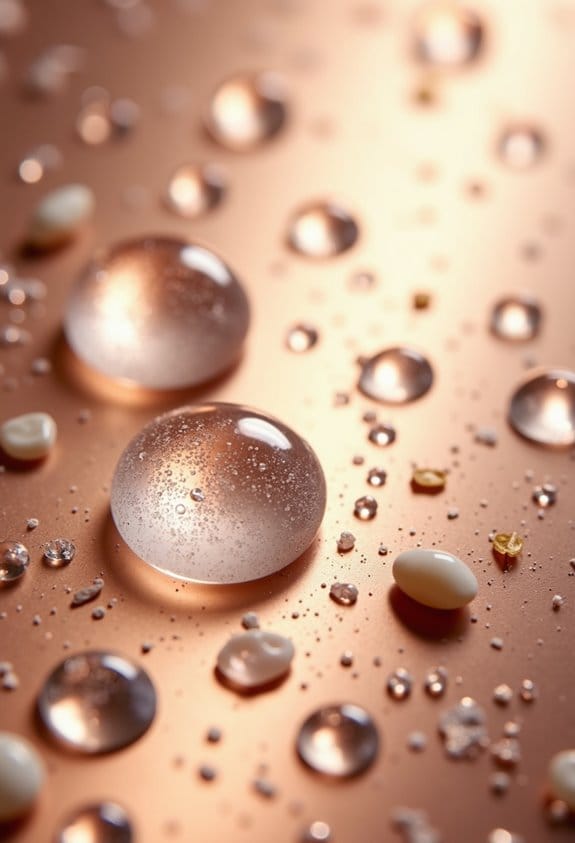
A key player in setting sprays is the film former—a clever ingredient that builds a thin, flexible shield over our skin to lock makeup in place. Ingredients like acrylates copolymer and polyurethane-2 create this lightweight, protective barrier that keeps our makeup intact throughout the day. This barrier isn’t just a one-and-done shield; it forms a resilient network through crosslinking, making it tough against sweat and humidity—our makeup’s worst enemies. On one tester’s face, this film remained invisible yet effective, preventing smudging and fading even in shade 204, known for its tricky longevity. Plus, these film formers are designed to let the skin breathe, so we’re not walking around feeling like a plastic wrap mummy. Trust us, using setting sprays with such film formers is like giving your makeup a cozy, breathable armor. Many top-rated sprays enhance this effect by combining film formers with Temperature-Control Technology that regulates sweat and oil.
Recommended Products

Lock In Makeup for up to 36 Hour Wear: Infallible 3-Second Makeup Setting Spray with microfine mist provides up to 36 hour wear in just one spray, for lip, eye and face makeup that is transfer, sweat and smudge-resistant all day.

MAJOR MAKEUP GRIP: The shockingly fine mist sets your makeup for long-lasting wear while leaving the skin with a hydrated-looking, dewy finish

18 HOUR HOLD: Say goodbye to midday touch-ups! This spray keeps your makeup looking fresh and flawless for a full 18 hours, so you can focus on living your day without worrying about your look.
How Humectants Affect Skin Hydration
Although setting sprays are best known for locking makeup in place, the humectants they contain play a quiet but essential role in keeping our skin hydrated. Humectants like glycerin, hyaluronic acid, and butylene glycol attract moisture from the air, drawing it into the skin to boost hydration. For example, hyaluronic acid can hold up to 1,000 times its weight in water—talk about a thirsty ingredient! When balanced correctly, these humectants keep our skin feeling plump and moisturized without that sticky “gluey” mess we all dread. In humid conditions, they especially shine by grabbing just enough moisture to maintain that fresh, dewy look. So, next time you mist on your setting spray, remember it’s not only locking makeup down but quietly working to keep your skin happily hydrated throughout the day. Many hydrating setting sprays combine humectants with nourishing ingredients like aloe and vitamins A, C, and E to enhance both skin health and makeup longevity, exemplifying key ingredients that support a glowing complexion.
The Impact of Solvents on Spray Application
Because solvents are the unsung heroes behind a setting spray’s smooth delivery, we’ve got to appreciate how they dissolve active ingredients for an even and effective application. Common solvents like water, ethanol, and glycols each play a unique role. Ethanol speeds up drying, forming a protective film almost like magic, while glycols not only dissolve ingredients but keep the spray from feeling too drying or sticky—think of them as multitasking pros. The choice here directly impacts the setting spray’s performance, especially when humidity tries to mess things up; the right solvent keeps makeup in place longer, without that clammy feeling. Plus, eco-friendly solvents are popping up, appealing to those who want performance without a guilt trip. So next time you mist, thank solvents for that flawless finish! For instance, certain sprays use ultra-fine mist delivery to aid in even application and enhance the fighting-off of shine throughout the day.
Emollients and Their Effect on Skin Texture
When it comes to setting sprays, emollients like cyclopentasiloxane and dimethicone are the unsung skin smoothers that make all the difference—we’ve noticed testers often comment on how these ingredients create a silky touch that feels almost spa-like. Emollients improve skin texture by filling in fine lines and imperfections, offering a smoother surface that truly enhances makeup application. Naturally derived oils like jojoba and argan also soften the skin while adding a healthy glow, which most people appreciate, especially on dull days. Balancing these emollients is key—they keep the setting spray lightweight and non-greasy, so it won’t feel like an oil spill on your face. Plus, silicones lean towards a matte finish, while natural oils bring that subtle, dewy radiance we all love. For an enhanced skincare routine, using accessories like terry cloth headbands can help keep hair away and maintain that smooth, flawless skin texture during application.
Preservatives: Ensuring Safety and Stability
Preservatives are the behind-the-scenes heroes that keep our setting sprays safe and fresh, even after many spritzes. Without preservatives like phenoxyethanol and benzyl alcohol, microbial contamination from bacteria, mold, and yeast could sneak in—yuck! These ingredients prevent that, ensuring the product stays effective throughout its shelf life. We prefer phenoxyethanol since it’s a popular alternative to parabens, which some folks avoid due to hormone disruption worries. Plus, stability testing plays an essential role here; it verifies that preservatives maintain product quality under different storage conditions. Transparency in listing these compounds also helps us, as consumers, trust the spray we’re putting on our skin. So, while preservatives might not get much love, they truly are the unsung safety net we rely on daily. Many popular setting sprays also balance preservation with skin benefits by including hydrating ingredients like aloe and green tea to maintain comfort while locking makeup in place.
Molecular Interaction Between Setting Spray and Makeup
Although setting sprays might seem like a simple final step in our makeup routine, there’s some pretty fascinating science happening at a molecular level that keeps everything locked in place. The secret lies in the polymers, like PVP, whose molecular structure gives them strong adhesive properties. When we spray, the solvent quickly evaporates, letting these polymers form a thin, flexible film that bonds our makeup to the skin. It’s this interaction that helps reduce smudging and fading throughout the day. Think of it as a tiny superhero cape for your makeup—light and flexible but tough enough to hold everything together, even when life tries to mess with it. Understanding this molecular connection makes setting sprays more than a quick fix; they’re a smart shield for our look. Additionally, combining setting sprays with oil-lock technology can further enhance makeup longevity by controlling shine and resisting moisture.
Crosslinking Mechanisms in Setting Sprays
Building on how those trusty polymers form a protective film over our makeup, the magic really steps up a notch with crosslinking. Fundamentally, crosslinking creates bonds between polymer chains, weaving them into a strong, three-dimensional network. This reinforcement boosts the protective barrier’s stability, making our makeup last longer without melting away. When crosslinkers like acrylates or polyurethanes join in, they reduce solubility and improve resistance against sweat and oil—perfect for those humid days when nothing seems to stick. Plus, formulators cleverly adjust the degree of crosslinking to balance flexibility and breathability with durability. It’s like giving our makeup armor that’s tough yet comfy. So, next time your setting spray holds up through a marathon day, thank those interlinked polymer chains doing their molecular dance behind the scenes! This same principle of enhancing wear time and resistance is mirrored in top translucent powders that emphasize long-lasting performance for a flawless finish.
How Environmental Factors Influence Spray Performance
When we step outside, the weather doesn’t just decide what we wear—it also plays a huge role in how our setting spray performs. Environmental factors like humidity can really challenge the polymers in our sprays. High humidity tends to break down these polymers’ film, making makeup slide or fade faster. It’s like your setting spray faces a moisture attack it wasn’t expecting. Temperature swings also matter since they affect how quickly solvents evaporate, which changes drying times and hold strength. That’s why some mattifying sprays use stronger polymers—kind of like armor against moisture. Also, the level of humectants in the formula needs tweaking: less for humid days to avoid stickiness, more for dry climates to keep skin comfy without sacrificing hold. It’s a delicate science, but understanding it can seriously up our makeup game. Many high-quality sprays use Temperature-Control Technology to maintain longevity and resist sweat and oil throughout the day.
Adjusting Formulations for Different Skin Types
Since our skin types can vary pretty wildly from person to person, it makes sense that setting sprays aren’t one-size-fits-all magic potions. For those with oily skin, formulations packed with oil-absorbing agents are a lifesaver—they mattify shine and prevent makeup meltdown. On the flip side, dry skin craves hydrating ingredients like glycerin or aloe vera to keep things moisturized without that cakey disaster. If you’re juggling combination skin, look for sprays balancing hydration and oil control, so your T-zone and cheeks play nice. Sensitive skin? Stick to gentle formulations with calming partners like chamomile. Tailoring setting sprays this way means we’re not just guessing; we’re matching molecular magic to skin needs—and hey, isn’t that a smarter kind of beauty wizardry?
Recommended Products

[UNBEATABLE MAKEUP FIXATION] Keep long lasting makeup flawless with lightweight non-greasy mist that prevents smudging and preserves a radiant finish from foundation to lipstick and blush.
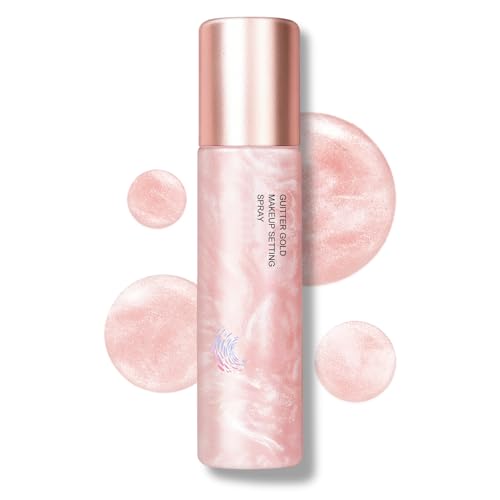
HYDRATE & ILLUMINATE SETTING SPRAY: Glow setting spray, radiant and effective in locking makeup, contains fine reflective particles, making you shine charmingly and keeping your makeup vibrant and fresh

All-Day Wear - A hydrating face mist that delivers a high-performance veil to lock in makeup for up to 16 hours without creasing, melting, or fading.
Testing Methods for Effectiveness and Quality Control
Although we all hope our setting spray will work like magic from the first spritz, rigorous testing is the unsung hero behind every bottle’s success. Our testing methods start with quality control, including microbial tests to keep bacteria, mold, and yeast out—because no one wants a face full of uninvited guests. We also run stability testing, exposing formulas like our signature blend, with ingredients such as hyaluronic acid and glycerin, to different temperatures and light to guarantee consistency over time. Efficacy testing involves user trials, measuring how well sprays, like shade 03 Warm Honey, hold makeup compared to controls. Even better, third-party testing backs our claims, keeping us honest and you confident. Plus, consistency audits make sure every batch smells as lovely and performs just right. Trust us, this behind-the-scenes work is totally worth it.
Frequently Asked Questions
How Does Setting Spray Work Chemically?
We can see that setting sprays work chemically by using their chemical composition to create molecular interactions among polymers. The evaporative process removes solvents, allowing a flexible film to form, locking in makeup and resisting environmental factors effectively.
What Does Makeup Setting Spray Actually Do?
Makeup setting spray boosts makeup longevity by sealing your look, enhances application techniques by smoothing textures, and uses advanced product formulation with polymers and humectants to keep your makeup fresh, flexible, and flawless all day long.
How Does Hair Setting Spray Work?
When we use hair setting spray, it boosts texture enhancement, tames frizz control, and guarantees hold longevity. Together, these effects help keep our hairstyles looking fresh and polished throughout the day, no matter the conditions.
What Polymers Are in Setting Spray?
It is understood that setting sprays commonly contain polymer types like PVP and acrylates. Through spray application, formulation science guarantees these polymers form films that lock makeup in place, balancing durability with comfort for various skin types and finishes.