As an Amazon Associate, we earn from qualifying purchases. Some links on this site are affiliate links at no extra cost to you. Our recommendations are based on thorough research and editorial judgment.

The Relationship Between Makeup and Perioral Dermatitis

When dealing with perioral dermatitis, makeup can be tricky—it’s like wanting to wear armor but risking skin flare-ups from sneaky culprits like fragrances, denatured alcohol, and heavy foundations. We recommend sticking to lightweight, fragrance-free, and non-comedogenic options like tinted moisturizers with zinc oxide, while skipping harsh dyes or essential oils. Keeping brushes clean and removing makeup gently each night really helps, too. If you’re curious about smart product picks and lifestyle tweaks that soothe your skin, there’s plenty more to explore.
Key Takeaways
- Wearing foundation increases the risk of developing perioral dermatitis by thirteen times due to clogged pores and trapped bacteria.
- Fragrances, denatured alcohol, and artificial dyes in makeup can trigger flare-ups and damage the skin barrier.
- Heavy or comedogenic makeup products worsen symptoms by irritating sensitive and flared skin.
- Regularly cleaning makeup brushes prevents bacterial buildup, reducing the chance of worsening perioral dermatitis.
- Taking breaks from makeup allows the skin to heal and rebuild its natural defenses.
Makeup Dos and Don’ts for Sensitive and Flared Skin
While it might be tempting to pile on our favorite bold lipsticks or heavy foundations, especially when dealing with sensitive or flared skin, we’ve learned that choosing hypoallergenic and fragrance-free makeup is a game changer for preventing irritation. When managing perioral dermatitis, sticking to these makeup dos and don’ts is key: avoid anything with denatured alcohol or artificial dyes, as they can make flare-ups worse. Instead, opt for non-comedogenic products containing zinc oxide and titanium—both gentle ingredients that soothe and protect skin without clogging pores. We’ve found keeping makeup lightweight during flare-ups helps reduce discomfort, and thoroughly removing it with gentle cleansers each night supports healing. It’s not always glamorous, but our skin definitely thanks us for the simpler routine! Choosing makeup with moisturizing ingredients can also help maintain hydration and comfort for sensitive skin.
Recommended Products

COMPLETE CLINICAL SKINCARE ROUTINE A streamlined four-step system designed to cleanse, treat, hydrate, and support healthy-looking skin — morning and night — without unnecessary products or guesswork.

New and Improved. The TB6 model is a deep immersion paraffin wax spa that is 25% deeper than previous models. It features a 6–9 lb. wax capacity and is sure to help provide relief from muscle discomfort.

Item Volume : 1.7 Fluid_Ounces
Makeup Guidelines for Specific Skin Conditions
We’ve talked about the dos and don’ts for makeup on sensitive, flared skin, but when it comes to specific skin conditions like perioral dermatitis, things get a bit more detailed. For starters, during flared stages, it’s best to avoid makeup entirely—yes, even your favorite concealer—to prevent further irritation. When you’re dealing with mild flare-ups, we recommend choosing the right lightweight, hydrating foundation or tinted moisturizers. Look for skincare products that are non-comedogenic, oil-free, and fragrance-free to help cover up without irritating your skin. Avoid products with essential oils—they’re pretty skin villains here. And don’t forget to keep your brushes squeaky clean; otherwise, bacteria can sneak in and worsen symptoms. For lip care, opt for soothing, fragrance-free lip balms to keep that sensitive area happy. Easy adjustments, huge payoff! Consider using hypoallergenic tinted lip treatments designed to minimize irritation while providing hydration and subtle color for sensitive skin.
Recommended Products

New look, same great formula; packaging may vary

The information below is per-pack only

The information below is per-pack only
Impact of Makeup Ingredients on Skin Barrier and Flare-Ups
Because what we put on our skin can either make things better or worse, understanding the impact of makeup ingredients on perioral dermatitis is essential. Makeup with irritating ingredients like fragrances, denatured alcohol, and artificial dyes can seriously trigger or worsen flare-ups by damaging the skin barrier and inflaming sensitive areas. Heavy foundations or comedogenic products don’t help either—they clog pores and trap bacteria, turning a small problem into a full-blown nightmare. Studies show wearing foundation increases perioral dermatitis risk thirteen times—yikes! So, to keep your skin calm and healthy, it’s wise to avoid harsh chemicals that suffocate your skin’s natural healing. Sometimes, giving your face a break from makeup is the best way to let your skin rebuild its defenses—because even the best glam can wait for healthy skin! Choosing foundations that contain skin-friendly ingredients like niacinamide or hyaluronic acid can help support skin health while still offering coverage.
Recommended Products

SUN-SAFE DAILY DEFENSE DUO SET WITH RETINOL-LIKE SERUM: Unlike traditional retinol, it is safe for daytime use with no photosensitivity. Paired with 100% mineral SPF 50 to visibly smooth wrinkles, refine pores, and defend against UV aging

A gentle, proven ingredients formula that supports an even-looking complexion, helps maintain healthy skin balance, and keep skin looking smooth and refreshed over time.

TINTED SUNSCREEN FOR FACE: This tinted face sunscreen with transparent Zinc Oxide provides broad spectrum SPF 46 protection and helps protect normal and sensitive skin types from UVA and UVB damage without leaving behind residue
Recommended Skincare and Cosmetic Products for Perioral Dermatitis
Several tried-and-true products have earned their stripes in helping us manage perioral dermatitis without turning our skincare routine into a battle zone. Using a clean Black Clay Facial Soap, commonly found at pharmacies, gently cleanses irritated skin without stripping moisture. Pairing that with Purely Simple Face Cream provides soothing hydration that our sensitized skin craves. Without makeup, our skin truly breathes, especially during flare-ups, so it’s wise to go bare when possible. When we do apply makeup, opting for lightweight, hydrating foundations or tinted moisturizers that are fragrance-free and non-comedogenic helps reduce irritation. Plus, regularly cleaning tools prevents any surprise friendships between bacteria and our skin—no thanks! So, sticking with these straightforward, accessible products keeps inflammation low and comfort high, proving simple can be effective in our journey toward clearer skin. Choosing makeup with hydrating ingredients like Vitamin E can further alleviate dryness and sensitivity.
Recommended Products

This rapid-rinse option delivers our iconic cool violet-brown Venetian glow in less time! Our VIO-7 technology counters an unwanted orange undertone for the most natural glow.
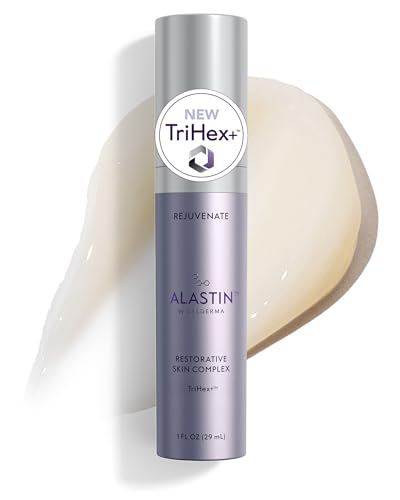
Powerful Peptide Serum helps visibly improve the appearance of collagen- and elastin-depleted skin with newly advanced technology. Targeting skin texture, tone, volume, hydration and elasticity.

Our unrivaled cool violet-brown undertones give a smoky Mediterranean tan, with darker color results than our Venetian formula. Our VIO-7 tech counters an orange undertone for the most natural glow.
Lifestyle Modifications to Support Skin Healing
While tweaking our daily habits might not feel as exciting as discovering a new miracle cream, making thoughtful lifestyle changes can seriously boost our skin’s ability to heal from perioral dermatitis. We should reduce or pause makeup use during flare-ups and always brush brushes regularly to avoid bacteria build-up. Letting our skin soak up natural light daily (just 10-15 minutes, no sunburn, please!) supports your skin’s recovery by helping it regulate repair mechanisms. Dial back caffeine—switching to tea a couple of times a week helps manage stress, which, believe it or not, affects skin health. Also, sticking to gentle cleansers and fragrance-free moisturizers night and day hydrates and rebuilds the skin barrier. These lifestyle tweaks, combined, give our skin the best shot at getting back to normal. Incorporating microfiber makeup remover cloths into your routine can help cleanse gently without irritating sensitive skin or disrupting healing.
Frequently Asked Questions
Does Wearing Makeup Make Perioral Dermatitis Worse?
Yes, wearing makeup often worsens perioral dermatitis by irritating skin sensitivity and triggering flare ups. We recommend exploring makeup alternatives and focusing on gentle skincare to avoid aggravating your skin and support healing during flare ups.
What Ingredients in Makeup Can Cause Perioral Dermatitis?
It is understood that makeup ingredients like fragrances, denatured alcohol, and artificial dyes are common irritation triggers. To protect your skin, let’s carefully choose gentle products and adjust our skincare routines to avoid worsening perioral dermatitis symptoms.
What Is the Number One Cause of Perioral Dermatitis?
We believe the number one cause of perioral dermatitis is hormonal fluctuations, although dietary factors and skin products also play key roles. Together, these triggers often worsen symptoms, so identifying and managing them helps us control flare-ups effectively.
How Did Hailey Bieber Get Rid of Her Perioral Dermatitis?
Hailey Bieber got rid of her perioral dermatitis by adjusting her skincare routine, focusing on gentle products, managing stress effectively, and making dietary changes. Together, we can learn from her holistic approach to improve skin health.