As an Amazon Associate, we earn from qualifying purchases. Some links on this site are affiliate links at no extra cost to you. Our recommendations are based on thorough research and editorial judgment.


The Science Behind Baking Makeup Technique

So, baking makeup is basically a clever marriage of chemistry and technique. We apply a thick layer of finely milled translucent powder—think Laura Mercier’s translucent setting powder—over our foundation and concealer. Then, body heat “melts” the powder into the skin, locking everything in place for a crease-free, matte finish that lasts through sweat, shine, and long days. It’s like setting your face on autopilot for flawless wear. Stick around, and we’ll share all the pro tips and product must-haves that make baking work like magic.
Key Takeaways
- Baking uses body heat to melt translucent powder into foundation for a smooth, crease-free finish.
- The powder absorbs oils and moisture, locking makeup in place and reducing shine.
- Excess powder sets concealer, preventing it from creasing and enhancing pigment intensity.
- The technique prolongs makeup wear by creating a matte, long-lasting barrier against sweat and oils.
- Baking reflects light, brightening under the eyes and creating a flawless, photo-ready glow.
What Is Makeup Baking?
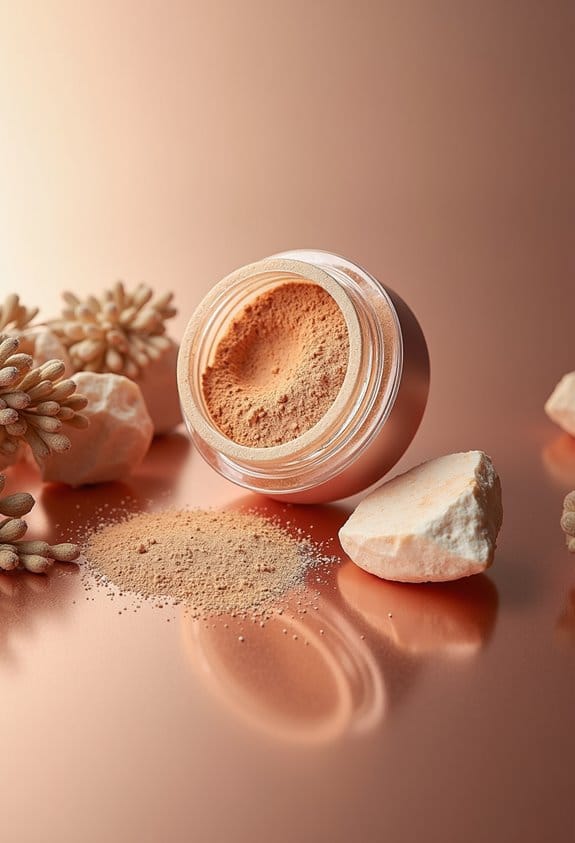
Baking makeup might sound like something only professional drag queens do, but honestly, it’s a game-changer for anyone who wants their makeup to last all day without creasing or fading. Basically, makeup baking means applying a thick layer of loose, translucent powder over your foundation and concealer. This powder—usually a fine, loose powder like Laura Mercier’s translucent setting powder—gets “melted” into your skin using your body heat after sitting for about 5 to 10 minutes. The magic? This process creates a smooth, creaseless finish that locks everything in place. Baking works well across different skin types, but it especially benefits those who want a polished, flawless look that won’t budge. Sure, it might feel a bit like setting a cake in the oven, but the payoff is worth it—no more midday smudges or wrinkles! For an even longer-lasting finish, pairing baking with long wear mascaras can help ensure your eye makeup stays pristine throughout the day.
The Origin and Popularity of Baking

Although it might seem like a modern trend, this makeup technique actually has roots in the drag community, where performers needed their looks to withstand intense stage lights for hours. The baking technique was born to create that flawless finish—setting concealer and foundation so nothing budged under the spotlight. As beauty influencers began sharing their baking secrets on Instagram and YouTube, it quickly escaped the stage and became a go-to makeup application technique for everyday beauty routines. Beyond durability, baking offers a brightening effect by reflecting light from under the eyes and high points, making skin look awake and radiant. Nowadays, baking isn’t just for performers; it’s a staple in many makeup kits, proving that what started in drag culture now helps all of us nail a long-lasting, flawless look. Choosing the right tools, like a soft synthetic highlighter brush fan, can enhance the seamless application and blending of baked products, ensuring a flawless finish.
How Does Baking Work on the Skin?
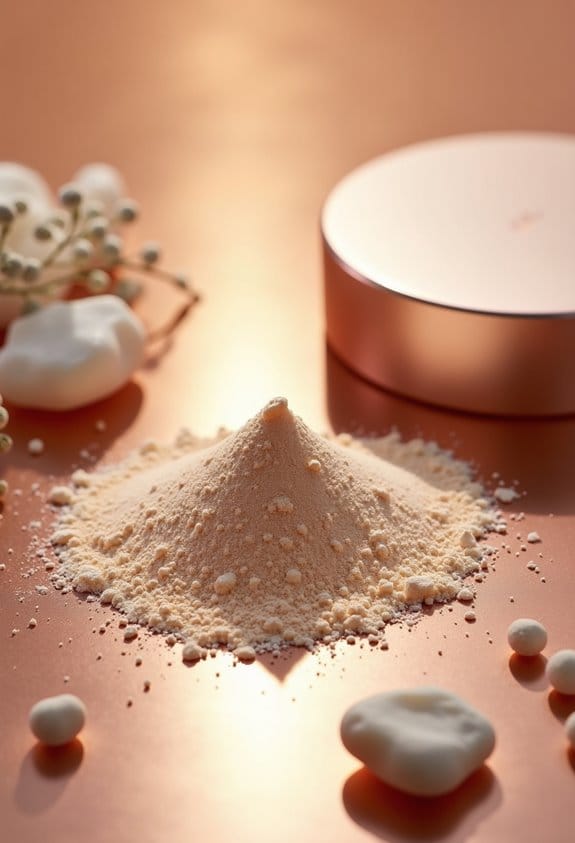
When we slap on that generous dusting of translucent powder, we’re not just going through the motions—it’s all about letting the heat from our skin work its magic. Baking powder, or setting powder as some call it, sits thickly on areas like under the eyes, where it warms up and fuses with foundation and concealer. This process locks in the product beneath, absorbing excess oil and moisture, which means our skin tone stays true without looking greasy. The powder also smooths over pores and helps us achieve that coveted crease-free finish. Plus, baking gives a matte finish by controlling shine, making our makeup last longer, even through sweat or oily days. It’s like a little science experiment on our faces—and honestly, who doesn’t love a glow-up with some tech behind it? Many pore blurring powders achieve this effect by using micro-refined ingredients that soften imperfections for a flawless finish.
Key Benefits of Baking Makeup
Even if you’re new to makeup tricks, you’ll quickly notice how this technique seriously boosts your look’s staying power. Baking makeup uses a generous layer of translucent powder—think of it as your skin’s invisible bodyguard—that locks in your foundation and concealer. This setting powder absorbs excess oil, which means less midday shine and better oil control. Plus, it creates this flawless, crease-free, long-lasting finish that holds up through busy days or long shoots. Our testers swear by the effect, noting their makeup stays put for hours without touch-ups. While it’s especially great for makeup durability, baking also blurs fine lines and intensifies pigments, giving you that photo-ready glow—even if your selfie skills need a little work, like ours! Many loose setting powders offer oil-absorbing ingredients that enhance the effectiveness of the baking technique.
Recommended Products

Blurs the appearance of pores, fine lines and wrinkles for an airbrushed finish


【 BLUR PORES AND PERFECT YOUR COMPLEXION 】: With its delicate, illuminating formula, this finishing powder visually minimizes the appearance of pores and fine lines, giving your skin a smooth, fresh, and youthful glow.
Ideal Skin Types and Situations for Baking
Three main skin types benefit from baking makeup, and knowing where you fit can make all the difference in your routine. Oily skin loves baking because it absorbs extra oil, boosting makeup longevity without that midday meltdown. If you have normal to combination skin, baking can be your secret weapon during hot or humid days when makeup tends to fade. Dry skin, though, needs a heads-up: baking might highlight dry patches or fine lines unless you prep with serious hydration first. Baking makeup shines brightest for full glam looks or any situation needing extended wear—think weddings, performances, or HD shoots. As we dive deeper, remember this isn’t a one-size-fits-all; knowing your skin’s quirks helps you decide if baking will truly elevate your beauty game or just sit on your shelf like unused gym socks. Using a talc-free formula setting powder can enhance the baking process by providing a lightweight, oil-absorbing finish without causing irritation.
Essential Products for Baking Makeup
Knowing your skin type helps decide if baking makeup is right for you, but having the right tools in hand truly makes the magic happen. First, a full-coverage liquid foundation is our go-to for building a flawless base, effectively masking imperfections without feeling heavy. Next up, loose translucent setting powder is vital—it absorbs oil and creates a smooth, matte finish without cakiness. We love applying this with a damp makeup sponge to lock powder into targeted areas, boosting longevity. After baking, gently sweeping off excess powder using a large, fluffy makeup brush guarantees no harsh lines ruin your look. Finally, a quality setting spray seals everything, adding longevity and that sought-after fresh appearance. Trust us, these essentials turn baking from a messy experiment into a stunning success. Choosing powders with oil absorption properties ensures a long-lasting matte finish, especially beneficial for oily skin types.
Recommended Products

Tom Ford Shade and Illuminate Soft Radiance Foundation - 2.0 Buff

Moisturizing Formula: The Max Factor Pan-Cake Water-Activated Makeup provides a moisturizing formula for hydrated, smooth skin.

This silky, weightless formula creates a beautifully natural finish
Step-by-Step Baking Makeup Application
To kick off the baking process, we always start with a clean, moisturized face—because no amount of powder can fix dry, flaky patches or an uneven base. Next, we apply a liquid foundation evenly to create a smooth canvas. To really lock that in, use setting powder liberally on concealed areas with a damp makeup sponge. This is classic baking makeup in action! Then, let the powder sit for 5 to 10 minutes; it absorbs oil and helps set the foundation beneath. Once that’s done, we gently sweep off the excess with a fluffy powder brush to reveal a flawless finish. By following these steps, you’ll master the baking technique—setting your makeup to stay fresh and crease-free all day long without any cakey disasters. This technique works best when paired with long-lasting formulas designed to maintain makeup wear throughout the day.
Recommended Products
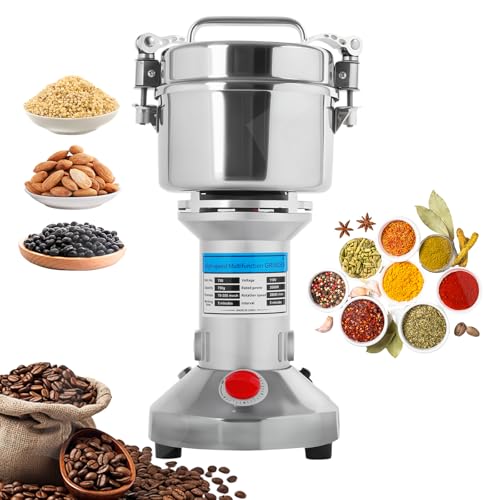
✅ Powerful 2000W Grain Mill Grinder Crush grains, spices, and herbs in seconds with a 2000W motor and 22,000 RPM speed. Perfect for busy kitchens—grind coffee beans, wheat, nuts, or dried herbs into fine powder (50-300 mesh) in under a minute. No more manual labor!

GRAIN GRINDER:Grinding machine capacity 2000g; Power 3600w; Rotational speed of 25000 r/min; Within 1 minute, the fineness of the crushed material ranges from 50 to 300 mesh; The pure copper motor and three-layer stainless steel blades are very durable and wear-resistant. GRAIN GRAINDER SET INCLUDES: 1*2000g Electric granulator ,4*Spare blade ,2*Spare carbon brush ,1*Sleeve ,1*Flour sieve ,1* Cleaning brush ,1*Power cord ,1*User Manual .

12-wheel cutter by ATECO for even cuts, uniform portions and to save time when cutting brownies, cookies, cake, pastry or pasta dough
Differences Between Baking Powder and Setting Powder
Although baking powder and setting powder might sound like they’re cousins in the makeup family, they actually play pretty distinct roles in our beauty routine. Baking powder is always a loose powder, applied thickly on targeted areas—like under the eyes—to absorb excess oil and lock in concealer, while setting powder is used sparingly, mostly across the whole face, to prevent makeup from shifting. Makeup artists often recommend a translucent baking powder a shade lighter than your skin for a brighter, crease-free look. Setting powder, on the other hand, matches your natural skin tone, making it perfect for a subtle, natural finish. We apply baking powder and let it sit 5–10 minutes to “bake” the makeup, but setting powder doesn’t require this patience—thank goodness for those rushed mornings! Many setting powders also feature oil-absorbing ingredients that help control shine for a flawless finish throughout the day.
Recommended Products


【 FLAWLESS MAKEUP STARTER 】: At SweetFace Minerals, we know that a great look begins with the right foundation, and our loose white primer powder is designed to be the perfect starting point. This silky, finely milled makeup primer lays down a smooth, even base that helps your foundation glide on like a dream, ensuring your makeup stays flawless all day long.

Lightweight water-based loose setting powder designed to blur imperfections and set makeup with a natural, soft-focus finish.
Tips for Achieving a Flawless Bake
Five minutes might not seem like much, but when it comes to baking your makeup, that wait is crucial for a truly flawless finish. Makeup artists always stress starting with a well-moisturized face—dry skin invites cakey disasters nobody wants. Use a damp makeup sponge to press setting powder into your under-eye area and other key spots like forehead and chin. These powder products need time—about 5 to 10 minutes—to soak up oils and meld with foundation, giving you that long-lasting, crease-free glow. Once the bake makeup has settled, grab a fluffy brush and gently sweep off excess powder in circular motions. It’s like magic—soft, seamless skin without harsh lines. Trust us, following these tips will keep you looking fresh all day, even when life tries to mess with your makeup. To keep your vanity organized and easily accessible during your baking routine, consider using a compact makeup organizer that fits all your essential products neatly.
Recommended Products

With light-coverage powder evens skin tone.

FLAWLESS, FILTERED LOOK: Delivers a smooth, blurred finish that minimizes the appearance of pores and imperfections.

HUDA BEAUTY Easy Bake and Pressed Brightening and Setting Powder - Cherry Blossom
Frequently Asked Questions
What Does Baking Your Makeup Actually Do?
Baking your makeup boosts makeup durability by locking in contouring technique and highlighting methods. Combined with setting spray, it controls oil effectively. Choosing the right product for your skin type guarantees flawless, long-lasting results without creasing or fading.
What Is the Baking Process in Makeup?
Think of the baking technique as letting your foundation soak in like dough resting. We makeup artists use this beauty hack to set makeup, enhancing product interactions, foundation application, and makeup longevity for a flawless finish you’ll love.
What Does Baking Powder Actually Do in Makeup?
Baking powder helps lock our makeup by absorbing oils and enhancing longevity. Using specific application methods, it blends with setting powders, suits all skin types, and even boosts highlighter effects—making it a top product recommendation for flawless finishes.
Is Baking Makeup Good for Mature Skin?
We think baking technique can work for mature skin if we prioritize hydration levels and choose lightweight setting products. This helps soften fine lines and skin texture, giving us that flawless finish without emphasizing dryness or creases.