As an Amazon Associate, we earn from qualifying purchases. Some links on this site are affiliate links at no extra cost to you. Our recommendations are based on thorough research and editorial judgment.


Understanding the Chemistry of Makeup Setting Powders

Let’s talk setting powders—they absorb excess oil using ingredients like talc and silica, giving you that matte finish without looking powdery. Magnesium stearate smooths application, while boron nitride softens imperfections with a cool-focus effect. Vitamin E and dimethicone keep your skin comfy by locking in moisture and preventing makeup from settling into fine lines. Choosing non-comedogenic, paraben-free formulas helps avoid breakouts or dryness. Stick with us, and you’ll get the lowdown on making your makeup last all day without a meltdown.
Key Takeaways
- Makeup setting powders use talc and silica to absorb oil and provide a matte finish while improving texture and longevity of makeup.
- Ingredients like boron nitride create a soft-focus effect by scattering light and blurring skin imperfections.
- Components such as dimethicone form a breathable barrier preventing makeup from settling into fine lines and improving durability.
- Vitamin E and antioxidants in powders help support skin health and maintain moisture balance during wear.
- Non-comedogenic, paraben-free formulas prevent pore clogging and irritation, making powders safe for sensitive and acne-prone skin.
Key Ingredients and Their Functions

We often overlook just how much the ingredients in setting powders do for our makeup’s staying power and overall finish. Take talc and silica, for example—they absorb excess oil and deliver that coveted matte finish that keeps shine at bay all day. Then there’s magnesium stearate, which amped up the smoothness, making powders glide on effortlessly without looking cakey. Boron nitride is a bit of a magic ingredient, blurring imperfections with its soft-focus effect. Vitamin E gets credit too, working behind the scenes to support skin health while locking in moisture. And let’s not forget dimethicone, a silicone that forms a smooth barrier, preventing makeup from settling into fine lines. Together, these ingredients guarantee our makeup looks fresh and flawless longer—almost like they’ve got our backs, no matter what. Additionally, many waterproof setting powders feature oil-lock technology to maintain a matte finish and resist moisture for extended wear.
How Setting Powders Interact With Skin

Although setting powders might seem like just the finishing touch, they actually play a pretty smart role once they hit our skin. These finely milled powders contain oil-absorbing ingredients like talc and silica that help control excess oil, giving us that matte finish without looking dry. Plus, light-reflecting particles create a soft-focus effect, gently blurring imperfections and smoothing fine lines—that’s makeup magic, right? Many formulas are non-comedogenic, so they won’t clog pores, which is a relief for breakout-prone folks like us. Setting powders often include Vitamin C and other skin-loving properties for a little antioxidant boost. They form a breathable barrier that locks in our foundation while letting moisture escape, avoiding that dreaded cakey look. In short, setting powders care for our skin while keeping us picture-perfect. Choosing powders with oil-control properties is essential for maintaining a shine-free appearance throughout the day.
Choosing Safe and Effective Formulas

How do you pick a makeup setting powder that’s both safe and effective without needing a chemistry degree? First, we look for non-comedogenic formulas to keep pores clear—especially if acne is a familiar foe. Steering clear of parabens and synthetic dyes helps prevent irritation and those pesky breakouts. Now, talc can be tricky: while great for shine control, it may dry out sensitive skin, so gentle alternatives are often smarter choices. We also love powders with beneficial ingredients like vitamins C and E or soothing botanical extracts—they actually improve your complexion instead of just covering it up. Don’t skip checking for allergen-free labels, and always try testing products on a small area first. After all, no one wants their face throwing a surprise tantrum! It’s also helpful to select products that are cruelty-free and vegan to ensure ethical and safe makeup setting.
Recommended Products
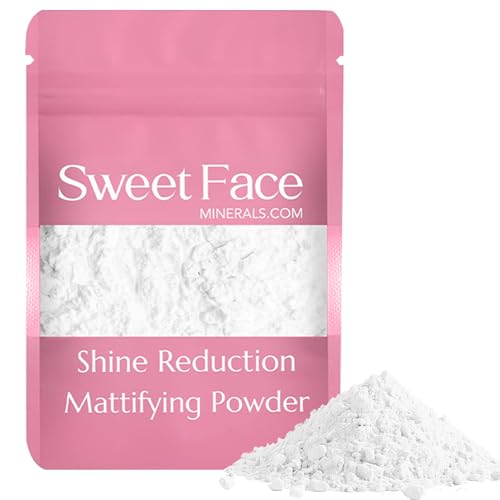
【 ULTIMATE SHINE CONTROL 】: At SweetFace Minerals, we understand the battle with unwanted shine, and that’s why we crafted our Shine Reduction Powder. This must-have gem keeps your skin beautifully matte all day, instantly absorbing oil to leave your complexion fresh and shine-free

INSTANT & NATURAL GLOW: achieve a bronze glow in less than 60 seconds. Seamlessly blends into all skin tones. Can be used as your face bronzer + body bronzer

A finely milled, blurring, loose setting powder that delivers 24-hour shine control and a smooth matte finish for all day wear.
The Role of Powders in Makeup Longevity
A good setting powder can be the unsung hero that keeps our makeup looking fresh and put-together all day long without that dreaded midday meltdown. Setting powders create a fine, oil-absorbing barrier over foundation and concealer, essential for longevity—especially formulas free of oil like those with talc or silica. A translucent powder doesn’t just control shine; it blurs imperfections subtly, giving that soft-focus magic while preserving underlying colors. In high-humidity environments, these powders lock in makeup application, improving overall makeup durability up to 16 hours. One tester noted that applying a lightweight powder after foundation made touch-ups nearly obsolete, even during sweaty errands. So, if we want a fuss-free, flawless look that lasts, incorporating a quality setting powder is an easy yet game-changing step. Many powders also offer added benefits such as hydration or vitamins, which cater to different skin needs, thus enhancing both appearance and skin health through lightweight formulas.
Recommended Products
【 ULTIMATE SHINE CONTROL 】: At SweetFace Minerals, we understand the battle with unwanted shine, and that’s why we crafted our Shine Reduction Powder. This must-have gem keeps your skin beautifully matte all day, instantly absorbing oil to leave your complexion fresh and shine-free

This invisible veil of finishing powder instantly blurs fine lines, pores and imperfections for a beautifully smooth complexion

Featherlight Setting: Experience a weightless application
Avoiding Common Skin Issues With Setting Powders
When we pick setting powders, it’s not just about keeping our makeup put; it’s also about protecting our skin from common concerns like breakouts and dryness. Choosing non-comedogenic setting powders means we avoid pore-clogging ingredients, like mineral oils, that can cause breakouts. We want powders that control excess oil without stripping moisture, especially if dry skin is prone to flaking. For example, formulas with skin-friendly ingredients such as silica or botanical extracts offer breathability and smoothness, which testers with shade numbers 03 and 05 appreciated. We definitely steer clear of talc—it tends to absorb too much moisture, making dry skin worse. Plus, opting for dermatologist-tested powders guarantees they’re gentle and suited for everyday use. Adding these to our makeup routine keeps skin happy and makeup flawless—finally, powder without the powder blues! Additionally, selecting powders that complement your skin type compatibility with foundation helps enhance overall makeup longevity and comfort.
Recommended Products
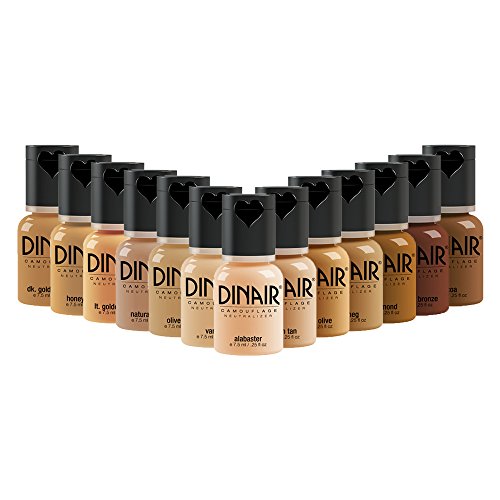
Medium to Ultra Full Coverage , Opaque Matte Finish, Rub Proof and Water Resistant

Promotes a Healthy, Youthful Glow: Professional-C Peptide Complex harnesses the power of Vitamin C, Kinetin, and Zeatin in one effective serum to help minimize the appearance of skin aging

【 FLAWLESS MAKEUP STARTER 】: At SweetFace Minerals, we know that a great look begins with the right foundation, and our loose white primer powder is designed to be the perfect starting point. This silky, finely milled makeup primer lays down a smooth, even base that helps your foundation glide on like a dream, ensuring your makeup stays flawless all day long.
Frequently Asked Questions
How Does Makeup Setting Powder Work?
We master makeup magic by mixing powder application and perfecting setting techniques, balancing hydration, managing oil control, considering skin types, selecting shades, and choosing brushes versus sponges for finish types, ingredient effects, and product longevity.
How to Know What Kind of Setting Powder to Use?
We choose setting powder by considering skin type, powder choice, and formula variations. Application technique, coverage levels, and setting duration matter. We factor climate, undertone matching, price points, brand comparisons, travel-friendly options, plus user reviews for the best makeup look.
What Are the Common Mistakes When Using Setting Powder?
Setting powder’s like the final puzzle piece—common errors include over-application causing cakey texture, ignoring skin types, misusing powder types, and poor application techniques. We must balance oil control with fine lines to boost makeup longevity, whether drugstore or high-end.
Is There a Difference Between Translucent Powder and Setting Powder?
We see translucent powder benefits in oil control and color matching for all skin types, while setting powder types differ in finish textures and ingredient variations. Application techniques vary, so exploring brand comparisons helps us pick the best product formulations.