As an Amazon Associate, we earn from qualifying purchases. Some links on this site are affiliate links at no extra cost to you. Our recommendations are based on thorough research and editorial judgment.

Understanding Dimethicone and Its Benefits in Primers

We’ve found dimethicone to be the superstar in primers—it smooths out fine lines and pores like a pro, making makeup glide on effortlessly. This silicone-based ingredient locks in moisture without clogging pores, which is great for all skin types, even oily or sensitive. It also keeps your look fresh by controlling shine and boosting staying power. Plus, it’s gentle enough for sensitive skin, so no breakouts here! Curious how it stacks up against natural options and environmental concerns? Let’s explore.
Key Takeaways
- Dimethicone creates a smooth, silky barrier that fills fine lines and pores for easier makeup application and a flawless finish.
- It locks in moisture, preventing water loss while remaining non-comedogenic and suitable for all skin types, including oily and sensitive skin.
- This ingredient extends makeup wear time by helping products adhere better and controlling shine for a natural, soft-focus appearance.
- Dimethicone is hypoallergenic and gentle, reducing irritation risk, making it ideal for sensitive skin and overall skin comfort during makeup wear.
- Despite its benefits, dimethicone poses environmental concerns due to persistence and bioaccumulation, prompting interest in sustainable alternatives.
What Is Dimethicone?
Dimethicone might sound like a mouthful, but it’s actually one of the unsung heroes in our makeup routines, especially in primers. This silicone-based polymer acts as an occlusive agent, forming a protective barrier on our skin that feels silky rather than greasy. What’s cool about dimethicone is that it’s non-comedogenic, so it won’t clog pores — a relief if you’re prone to breakouts like me. It helps lock in moisture by creating an invisible film that prevents water loss, keeping our skin hydrated under all that foundation. You might spot it in ingredient lists ending with “-cone” or “-siloxane.” Think of dimethicone as that smooth operator, giving products a glide that makes application a breeze, all while guarding our skin like a loyal bodyguard. Many silicone-based primers rely on dimethicone for their instant pore blurring and smooth finish benefits.
How Dimethicone Works in Primers
While primers might seem like the unsung MVPs of makeup, they play a huge role in how our foundation behaves throughout the day — and that’s where dimethicone shines. This ingredient gives primers a smooth texture by filling in fine lines and pores, creating a velvety surface that makes makeup glide on effortlessly. Acting as an occlusive agent, dimethicone forms a moisture-locking barrier that boosts hydration without suffocating our skin. Plus, being non-comedogenic means it won’t clog pores, which is a win for all skin types—even oily or acne-prone. We’ve noticed that primers with dimethicone also extend makeup longevity by helping products stick better and control shine, all without feeling greasy. It’s like giving your face a soft-focus filter that lasts all day. Many professional primers, such as the Benefit Cosmetics The Porefessional Pro Balm Primer, utilize dimethicone for its pore-minimizing and smoothing benefits.
Benefits of Dimethicone for Skin in Makeup
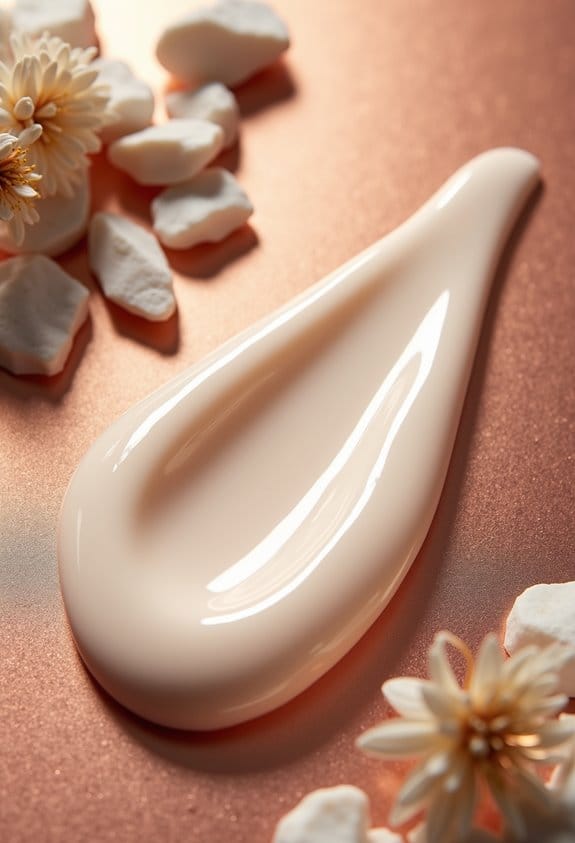
Achieving flawless makeup isn’t just about the right foundation or eyeshadow; it often comes down to the unsung layer beneath it all that keeps everything looking fresh—the primer’s magic touch. Dimethicone creates a smooth texture that feels velvety on your skin, filling in fine lines and wrinkles and blurring pores for that coveted airbrushed effect. Whether you have sensitive skin or different skin types, dimethicone suits you well since it’s non-comedogenic and gentle enough to avoid irritation. Plus, it helps lock in moisture, so your skin stays hydrated throughout the day, keeping dryness at bay. We’ve noticed it also reduces friction, making makeup more comfortable to wear. So, dimethicone isn’t just a filler—it’s a skin-friendly multitasker that improves your makeup base and skin’s feel without the fuss. This ingredient also pairs well with waterproof foundations to enhance the longevity and durability of your makeup throughout the day.
Dimethicone’s Role in Enhancing Makeup Longevity
Because makeup isn’t just about looking good when you walk out the door, we want it to last through every coffee spill and unexpected brisk wind. That’s where dimethicone really shines. This powerful ingredient creates a barrier on our skin that locks in hydration, making makeup stick better and longer. It smooths out texture by filling in fine lines and pores, giving us a flawless canvas. Plus, makeup glides on effortlessly, reducing patchiness—no one wants a blotchy mess midday! What’s great is that dimethicone is non-comedogenic, so it won’t clog pores or cause breakouts, which is a win for all skin types. Incorporating it into primers feels like giving your makeup a trusty sidekick, delivering both skincare benefits and prolonged wear without the fuss. Many matte foundations are also formulated to be water-resistant and sweat-proof, enhancing their longevity when paired with dimethicone-based primers for all-day wear.
Safety Profile of Dimethicone in Cosmetic Use
When it comes to safety, dimethicone has built a solid reputation as a gentle and reliable ingredient in the skincare world. It’s widely accepted because it’s safe and non-comedogenic, which means it won’t clog pores or typically cause skin irritation. Dermatologists often recommend it, especially for sensitive skin, so it’s not just us praising it. Still, since everyone’s skin is unique, we always suggest a quick patch test before going all in—better safe than sorry, right? And while some might worry about harmful ingredients hiding in their cosmetics, dimethicone isn’t one of them. It’s hypoallergenic and doesn’t usually spark breakouts, making it a trustworthy choice. So, if you’re on the fence, this ingredient’s safety profile should ease your mind while you enjoy its benefits. Many cosmetic products also combine dimethicone with hypoallergenic adhesives to ensure safety for sensitive skin.
Common Misconceptions About Dimethicone
Even though dimethicone has earned its place in many skincare and makeup products, it still gets a bad rap that doesn’t always match reality. One common misconception is that dimethicone clogs pores and causes acne. Actually, it’s non-comedogenic, so it’s unlikely to block pores or trigger breakouts for most of us. Another myth is that dimethicone suffocates the skin, but it creates a breathable barrier that locks in moisture while letting the skin breathe. We often hear it’s just a heavy synthetic ingredient, yet dimethicone enhances product application and texture without feeling greasy. Plus, it’s hypoallergenic, making it great for sensitive skin. Understanding these points clears up confusion about dimethicone’s safety and benefits in your favorite primers. Additionally, products containing dimethicone often benefit from durable materials that improve longevity and texture stability.
Environmental Impact of Dimethicone and Silicones
While dimethicone offers fantastic benefits for our skin and makeup routines, it’s important to also look at what happens after we wash it off. Dimethicone and other silicones, though great for creating smooth, long-lasting primers, don’t just disappear—they persist in aquatic ecosystems. This leads to about 4.7 tonnes of silicone pollution entering surface waters annually in the EU, raising concerns about bioaccumulation and their long-term consequences for wildlife. As much as we love the cosmetic benefits, we need to balance them with environmental impact. Thankfully, sustainability initiatives are pushing for biodegradable alternatives to reduce silicone pollution. It’s a tricky balance, but by supporting responsible use and innovation, we can enjoy our favorite primers while being kinder to the planet. Let’s keep the glow, minus the guilt! For those concerned about skin safety, considering non-toxic and hypoallergenic products can help minimize irritation while maintaining environmental responsibility.
Comparing Dimethicone With Natural Alternatives
Choosing the right primer ingredient feels a bit like picking your skincare soulmate—it’s gotta work well, but also play nice with your skin and values. Dimethicone shines here, offering a smooth, non-comedogenic makeup base that suits many skin types without clogging pores. Its occlusive properties help prevent moisture loss by strengthening your skin’s barrier function, making that flawless finish last longer. Natural alternatives like shea butter or coconut oil might seem tempting but can feel heavy and sometimes clog pores, messing with your glow. Plus, they often lack dimethicone’s consistency, varying wildly by batch. If you’re after stable performance without worrying about moisture loss or irritation, dimethicone usually wins, even if it doesn’t come with the nature stamp some folks crave. Many foundations suited for sensitive skin include dimethicone because it is hypoallergenic and non-comedogenic, helping to minimize irritation.
Tips for Using Primers Containing Dimethicone
Now that we’ve seen how dimethicone holds its ground against natural ingredients, let’s talk about using primers containing it the right way. First, apply these primers on clean, damp skin—this step really helps dimethicone create a smooth base for makeup while boosting hydration. If you want to avoid the dreaded pilling, start your routine with a water-based product before layering on silicone-rich primers. For those with oily skin, mattifying primers containing dimethicone are lifesavers; they control shine and smooth out texture effortlessly. Using these primers in the morning also forms a barrier against environmental stressors, protecting your skin throughout the day. But remember, take it slow and gradually increase their use, so your skin can adapt well, and your makeup stays flawless longer—trust us, your skincare routine will thank you! It’s also important to match the primer to your skin type and specific needs for the best results.
Suitability of Dimethicone Primers for Different Skin Types
Even though primers loaded with dimethicone might seem like they’re only for certain skin types, we can confidently say they’re pretty much a universal fix. Thanks to dimethicone’s non-comedogenic nature, it won’t clog pores, making it great for oily skin—it controls shine without feeling heavy. For dry skin, it acts like a moisture-locking superhero, trapping hydration and smoothing flaky patches. Sensitive skin loves it too, since dimethicone forms a protective barrier that calms irritation from environmental stressors. We always recommend applying dimethicone primers to clean, slightly damp skin alongside hydrating ingredients to boost their benefits. So whatever your skin type—oily, dry, or sensitive—dimethicone primers provide a smooth, balanced base that’s friendly and effective, without the usual “gym sock” feeling some primers can leave behind. Using a latex-free makeup sponge can further enhance primer application by ensuring even distribution and minimizing skin irritation.
Frequently Asked Questions
What Is the Function of Dimethicone in Primer?
Think of dimethicone as our makeup’s trusty shield, delivering a matte finish by skin smoothing and pore filling. It controls oil, enhances texture, boosts product absorption, and guarantees long lasting wear with excellent makeup stability.
What Are the Benefits of Dimethicone?
We love how dimethicone gives a silky texture, enhances skin hydration, controls oil, and offers barrier protection. Its smoothing effect improves makeup application, while non-comedogenic properties guarantee our skin feels fresh without clogged pores.
What Not to Mix With Dimethicone?
Let’s avoid turning our skin into a slippery battlefield by not mixing dimethicone with oil-based ingredients, water soluble products, alcohol-containing formulas, silicone-based compounds, exfoliating acids, heavy creams, fragrance-rich lotions, or non-comedogenic makeup.
What Is the Difference Between Dimethicone 100 and 1000?
It is understood that dimethicone 100 is lighter with quicker absorption, while 1000 is thicker, enhancing texture improvement and skin feel. Their dimethicone properties impact beauty formulations’ product compatibility, silicone chemistry, and cosmetic stability differently in various dimethicone uses.