As an Amazon Associate, we earn from qualifying purchases. Some links on this site are affiliate links at no extra cost to you. Our recommendations are based on thorough research and editorial judgment.


Understanding Makeup and Seborrheic Dermatitis

When it comes to seborrheic dermatitis, it is understood that makeup can be tricky—fragrances, heavy oils, and pore-clogging formulas often make flare-ups worse. We stick to fragrance-free, non-comedogenic options like mineral-based foundations with zinc oxide or titanium dioxide—they soothe and shield our skin. Shades like NARS Sheer Glow in Punjab or Clinique Even Better Makeup in Neutral help hide redness without the irritation. Grab a gentle cleanser like Cerave Hydrating and a light moisturizer such as Vanicream Lite Lotion to prep your skin right. Let’s explore how to wear makeup without the drama.
Key Takeaways
- Seborrheic dermatitis skin is sensitive; avoid fragrances, alcohols, and heavy oils in makeup to prevent irritation and flare-ups.
- Non-comedogenic, fragrance-free liquid foundations and tinted moisturizers suit sensitive skin, reducing the risk of clogged pores and inflammation.
- Mineral-based makeup with zinc oxide or titanium dioxide offers soothing effects and mild sun protection beneficial for seborrheic dermatitis.
- Gentle cleansing twice daily with fragrance-free products and light moisturizers prepares the skin for makeup and prevents irritation.
- Consulting a dermatologist helps personalize makeup choices and application techniques to manage seborrheic dermatitis effectively and support emotional well-being.
The Relationship Between Seborrheic Dermatitis and Skin Sensitivity

While dealing with seborrheic dermatitis can already feel like maneuvering through a minefield, one thing we quickly learn is just how sensitive our skin really is. This skin sensitivity means certain ingredients—like fragrances, alcohols, and heavy oils—can easily irritate the skin and cause flare-ups, which nobody wants. That’s why opting for fragrance-free makeup and non-comedogenic skin care products is a smart move; they help keep things calm without blocking pores or triggering irritation. Of course, everyone’s skin reacts differently, so regularly seeking personalized makeup advice from a dermatologist is key to finding products that truly suit our unique needs. After all, managing seborrheic dermatitis isn’t just about makeup; it’s about respecting and nurturing our sensitive skin in every step we take. Choosing products with vegan and all-natural ingredients can further minimize the risk of irritation.
How Makeup Can Affect Seborrheic Dermatitis Symptoms

Because seborrheic dermatitis can make our skin a bit of a drama queen, the makeup we pick really matters. Using the wrong makeup products can irritate our skin and trigger annoying flare-ups—nobody needs that. Heavy foundations, for example, might clog our pores, worsening inflammation, so it’s best to steer clear. Instead, non-comedogenic and fragrance-free formulas tend to be our skin’s best friends, reducing irritation while letting us enjoy looking good. Liquid foundations made for sensitive skin or tinted moisturizers usually keep things calm. Of course, every skin story is unique, so chatting with a dermatologist helps tailor product choices perfectly. It’s kind of like getting the right script for our skin’s drama—keeps the show running smoothly without unexpected plot twists. Additionally, selecting foundations with soothing ingredients like hyaluronic acid and aloe can help maintain hydration and comfort throughout the day.
Choosing Hypoallergenic and Non-Irritating Makeup Products

A good handful of makeup products claim to be “hypoallergenic” or “non-comedogenic,” but for those of us dealing with seborrheic dermatitis, we really need to read the fine print and pick wisely. Choosing makeup formulated specifically for sensitive skin means avoiding common irritants like fragrances, alcohols, and heavy oils, which can worsen our skin’s flare-ups. Liquid foundations and tinted moisturizers designed with gentle ingredients often work best. While mineral-based makeup is highly recommended because it tends to irritate less, we’ll talk more about that soon. One key tip—we can’t skip thorough removal at day’s end. Leftover makeup, no matter how gentle, can clog pores and feed irritation, making our skin’s life tougher. So, let’s be smart: read labels and treat our skin like the delicate thing it is. Additionally, selecting products that are mineral-based and hypoallergenic can help reduce the risk of irritation and ensure safer wear for sensitive skin.
Recommended Products

MINERAL FACE POWDER: Our talc-free, paraben-free mineral formula provides smooth, buildable coverage that diminishes the appearance of imperfections & delivers an impeccable, soft satin finish.

MINERAL FACE POWDER: Our talc-free, paraben-free mineral formula provides smooth, buildable coverage that diminishes the appearance of imperfections & delivers an impeccable, bare-feeling satin finish.

MINERAL FACE POWDER: Our talc-free, paraben-free mineral formula provides smooth, buildable coverage that diminishes the appearance of imperfections & delivers an impeccable, soft satin finish.
Benefits of Mineral-Based Foundations for Sensitive Skin
Mineral-based foundations often feel like a invigorating change for anyone battling sensitive skin, especially those of us dealing with seborrheic dermatitis. These mineral foundations are a game-changer because they usually contain fewer irritants, helping to reduce redness and soothe irritation thanks to their anti-inflammatory properties. Ingredients like zinc oxide not only calm the skin but also provide subtle sun protection, which is essential when we want to avoid worsening flare-ups. I’ve found that their lightweight texture avoids that heavy, suffocating feeling—perfect for our sensitive, sometimes oily skin. Plus, they don’t clog pores, which means fewer chances of triggering seborrheic dermatitis flare-ups. If you’re tired of makeup that feels like a mask, trying mineral foundations like BareMinerals’ Original SPF 15 in Fairly Light can feel like a new lease on life. Additionally, choosing formulas that are non-comedogenic and fragrance-free can further minimize skin irritation and improve comfort for sensitive skin.
Recommended Products

[ CLEARS SEBORRHEIC DERMATITIS ] Our cream is a moisturizer formulated to clear seborrheic dermatitis with gentle ingredients.

1-oz of Neutrogena Healthy Skin Sensitive Skin Serum Foundation with Pro-Vitamin B5 in shade Light 03, to help keep skin healthy looking, blur imperfections and designed to minimize the look of fine lines and cover pores

NUTRIENT-ENRICHED RELIEF. This perfectly pH-balanced moisturizing body wash is a natural solution for seborrheic dermatitis & can effectively reduce the appearance of atopic dermatitis, keratosis, dandruff & more.
Ingredients to Avoid in Makeup for Seborrheic Dermatitis
While we all want makeup that enhances our look, it’s essential to dodge ingredients that can throw fuel on seborrheic dermatitis flare-ups. Makeup products loaded with heavy oils or comedogenic ingredients can clog pores and irritate your skin, making redness and itching worse. Fragrance-free options are a must—trust me, the tiny perfume bottles in some foundations are sneaky irritation culprits. Also, steer clear of alcohol-based ingredients; they dry out the skin like your driest joke at a party and trigger flare-ups. Instead, aim for non-comedogenic products designed to avoid clogging pores while keeping your skin calm. Remember, even a gorgeous shade like “Soft Beige 24N” won’t do you much good if it sparks discomfort. So, pick wisely and keep that glow without the drama! Choosing hydrating ingredients in makeup can also help maintain skin comfort and reduce irritation.
Tips for Applying Makeup on Inflamed or Flaky Skin
Since dealing with inflamed or flaky skin can feel like walking a makeup minefield, we’ve got to be smart about what and how we apply products on seborrheic dermatitis-prone areas. Using liquid foundations or tinted moisturizers made for sensitive skin helps keep irritation at bay. Always pick non-comedogenic and fragrance-free formulas—because clogging pores or scent-related flares are nobody’s friends. Hydrating first with a gentle moisturizer creates a smooth, less flaky canvas. And hey, clean brushes or sponges aren’t just fancy extras—they reduce bacteria that can worsen inflamed skin. If you’re ever stuck, chatting with a dermatologist can save you from trial and error, guiding you to safer ingredients and perfect shades. Trust me, your face will thank you—flare-ups don’t stand a chance! Additionally, choosing a hypoallergenic foundation can further minimize irritation and support skin health during makeup wear.
Effective Makeup Removal Techniques to Protect Skin Health
If we don’t remove our makeup properly, especially when dealing with seborrheic dermatitis, those leftover products can turn into troublemakers, worsening irritation and flare-ups. For effective makeup removal, we recommend gentle cleansers free of fragrances and harsh chemicals—those can really tick off sensitive skin like ours. Micellar water has been a game-changer; it gently dissolves makeup without the dreaded tugging or redness. Avoiding scrubs or exfoliants during this step is vital, as they can inflame already irritated patches and trigger flare-ups. After cleansing, applying a hydrating moisturizer—preferably non-comedogenic—helps restore skin balance and fend off irritation. Trust us, these steps not only clear makeup but protect your skin’s health, making the daily removal routine less of a chore and more of a skin-friendly ritual. Choosing products that have been ophthalmologist-tested for safety can also reduce the risk of irritation around sensitive areas like the eyes.
Recommended Products

Cleanses while respecting skin's natural physiological balance

Garnier Micellar Cleansing Water for Waterproof Makeup: Use this gentle yet powerful makeup remover to remove stubborn waterproof makeup; Safe for use in the eye area, and for removing longwear lipsticks, while leaving skin clean and refreshed, never dry

This Garnier micelllar cleansing water removes dirt, excess oil and impurities and can also be used to remove face makeup and eye makeup
Daily Skincare Routines to Complement Makeup Use
Removing makeup thoroughly was our first line of defense, but pairing that habit with a solid daily skincare routine really helps keep seborrheic dermatitis flare-ups in check. We start with a gentle, fragrance-free cleanser twice daily to calm sensitive skin and clear away irritants before makeup application. It’s like prepping a fresh canvas; we’ve found Cerave Hydrating Cleanser (fragrance-free!) does the trick without overdrying. After cleansing, a lightweight, non-comedogenic moisturizer seals hydration—like Vanicream Lite Lotion—supporting skin health while preventing clogged pores. Trust us, relying on oily creams only invites trouble. This combo not only soothes but also creates a perfect base for foundation without aggravating seborrheic dermatitis. Daily skincare routines tailored for sensitive skin really show their value, turning what feels like battling a bear into something manageable—and even a bit routine. Choosing foundations with added SPF protection can further safeguard sensitive skin during daily wear.
Recommended Products

CETAPHIL GENTLE SKIN CLEANSER: Clinically proven to cleanse while hydrating, providing 48 hours of hydration when wiped off versus rinsing
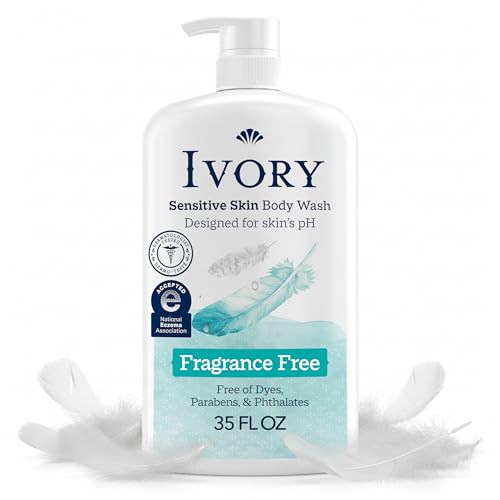
10 PURPOSEFUL INGREDIENTS - Formulated with only 10 essential ingredients, Ivory Sensitive Body Wash is designed with the most delicate skin in mind

Toleriane Hydrating Gentle Cleanser is a clinically proven daily face wash for normal to dry, sensitive skin that hydrates and restores the skin barrier while gently cleansing
Makeup Alternatives for Camouflaging Redness and Scales
When we want to camouflage redness and scales caused by seborrheic dermatitis, picking the right makeup makes all the difference. Liquid foundations designed for sensitive skin tend to irritate less and cover redness pretty well—think shades like NARS Sheer Glow in Punjab or Clinique’s Even Better Makeup in Neutral. Tinted moisturizers are a lighter option that can subtly reduce redness without smothering your skin, which is great when you just want to look human, not cakey. Avoid makeup with fragrances or heavy oils—they’re like adding fuel to the fire of irritation. Mineral-based makeup, especially formulas with zinc oxide or titanium dioxide, doubles as gentle coverage and sun protection. Trust us, the right choice feels less like hiding and more like healing with style. Foundations that are non-comedogenic and hydrating provide coverage without clogging pores or exacerbating skin issues.
Recommended Products

WEIGHTLESS LIQUID FOUNDATION: Mineral Fusion's full coverage foundation is formulated to give a radiant complexion and hydration that lasts up to 12 hours. A lightweight, hydrating foundation that gives a smooth, matte coverage with no streaks or creases

Full coverage, natural finish

FULL COVERAGE Foundation- for the acne scars, dark spots, age spots on your face, erase your dark circles under eyes easily and nice colour that looks completely natural
Consulting Dermatologists for Personalized Makeup Advice
Maneuvering makeup choices for seborrheic dermatitis can feel like decoding a secret language—so many labels to read, so many ingredients to avoid. That’s why consulting a dermatologist is a game-changer. Experts can spot which makeup suits sensitive skin best, steering us away from irritants that trigger flare-ups. They often recommend non-comedogenic, fragrance-free products—think liquid foundations or tinted moisturizers—formulated to minimize clogged pores and redness. During consultations, dermatologists dig into our unique triggers and offer practical makeup tips, like how to layer products safely without worsening seborrheic dermatitis. It’s like having a personal decoder for cosmetic ingredients. Trust me, getting tailored advice beats guessing which shade number or formula won’t send your skin into rebellion. Your skin—and your sanity—will thank you.
The Role of Makeup in Enhancing Emotional Well-Being
Confidence is a powerful thing, especially when dealing with seborrheic dermatitis. When we use makeup wisely, it can boost our self-esteem by masking redness and flaky patches, helping us feel more like ourselves. It’s vital to pick non-irritating products—think Malassezia-safe liquid foundations or tinted moisturizers that won’t aggravate our sensitive skin. Trust me, slapping on a heavy layer is tempting but often backfires with flare-ups. Consulting a dermatologist is gold—they offer tailored recommendations combining style with skin health. Studies back this up, showing how effective makeup lifts emotional well-being and eases social worries. So, we don’t need a magic wand—just smart choices and good advice to brighten both our complexion and mindset. Who said makeup can’t fix a bad skin day and mood at once? Additionally, opting for non-comedogenic formulas helps minimize the risk of irritation and breakouts, enhancing comfort during wear.
Frequently Asked Questions
How to Wear Makeup With Seborrheic Dermatitis?
We recommend using hypoallergenic products with soothing ingredients and a minimalistic makeup approach. Prioritize skin barrier protection and hydration, apply makeup gently, and never skip thorough makeup removal to keep your skin calm and healthy.
What Products Should You Avoid With Seborrheic Dermatitis?
Did you know 70% with sensitive skin suffer flare-ups using irritating ingredients? We avoid oil-based products, heavy foundations, exfoliating acids, and alcohol content. Instead, we choose fragrance-free options and non-comedogenic formulas to keep our skin calm and clear.
How to Wear Makeup With Dermatitis?
When we wear makeup with dermatitis, we focus on skin-friendly ingredients and best foundation choices, apply gently, adjust coverage to minimize irritation, and use proper makeup removal techniques. These makeup application tips help enhance skin health effectively.
What Is the Best Skincare Routine for Seborrheic Dermatitis?
We recommend gentle cleansing techniques and moisturizing importance, combined with mild exfoliation. Staying aware of ingredients, using sun protection, maintaining hydration strategies, and making lifestyle adjustments help us manage seborrheic dermatitis effectively and keep skin balanced.