As an Amazon Associate, we earn from qualifying purchases. Some links on this site are affiliate links at no extra cost to you. Our recommendations are based on thorough research and editorial judgment.


Understanding Makeup Oxidation Process Throughout the Day

We’ve all noticed how our favorite foundation sometimes darkens or shifts orange by afternoon—that’s makeup oxidation in action, a chemical tango between iron oxides like those in NARS Sheer Glow’s shade Stromboli and our skin’s natural oils. Oily skin, humidity, and even skin pH speed this up, while ingredients like Vitamin E and silicone primers can help slow it down. Curious about why your powder resists it better or how to pick the right setting spray? Stick around, there’s more to uncover.
Key Takeaways
- Makeup oxidation is a chemical reaction between iron oxides in foundation and natural skin oils, causing darkening or orange shifts throughout the day.
- Oily skin and high humidity accelerate oxidation by increasing oil production and pigment breakdown.
- Skin pH and mineral ingredients like titanium dioxide impact pigment stability, influencing color changes.
- Using silicone-based primers, antioxidant-rich foundations, and setting powders help reduce oxidation and maintain true color.
- Regular use of pH-balancing toners, oil-absorbing products, and blotting papers supports foundation longevity and color fidelity.
What Is Makeup Oxidation?

Although we’ve all hoped our foundation would stay true to its shade, makeup oxidation often has other plans, turning it darker or even orangey after just a few hours. Foundation oxidation happens because of a chemical reaction between the iron oxides in our makeup and the skin oils we naturally produce. Those of us with oily skin know this struggle well—our foundations can shift color faster than we’d like. It’s not just about oil; oxygen in the air also plays a role, causing the formula to change. Think of it like your foundation taking a little shortcut on color, but not always for the better. Recognizing how skin oils interact with these pigments helps us pick formulas better suited for lasting color fidelity, so our faces don’t become accidental abstract art by midday. Using products with hydrating ingredients can help prevent irritation and improve makeup’s overall wear.
Key Ingredients That Cause Oxidation
When we talk about makeup oxidation, it’s not just about the skin oils or the air messing with our foundation shade—that sneaky reaction often starts with the ingredients themselves. Ingredients like pigments, especially iron oxides, are notorious for triggering oxidation in foundation formulas. Mineral components such as titanium dioxide and zinc oxide can also speed up this reaction because they’re sensitive to pH shifts when exposed to the environment. Curiously, water-based foundations tend to oxidize faster since water can destabilize pigments when it mingles with our natural oils. On the bright side, antioxidants—Vitamin E being a star player—help keep foundation colors steady by protecting against oxidation. So, when picking your foundation, looking for products with added antioxidants or long-wear film-formers can make a real difference in keeping your shade true all day. Additionally, foundations infused with skin-friendly ingredients like Vitamin E and niacinamide not only enhance wear but also support skin health during long wear.
How Skin Oils Influence Foundation Color

Since our skin naturally produces oils like sebum throughout the day, it’s no surprise they play a major role in how our foundation shade changes on us. Skin oils interact with pigments such as iron oxides and titanium dioxide in foundation, triggering oxidation that can darken or shift the shade toward orange. Excess oil, especially if you have oily skin like me, speeds up this process, making early oil control key. Although the pH level of our skin also impacts pigment stability, we’ll dive deeper into that soon. For now, know that foundations with mineral ingredients are more prone to color changes caused by skin oils and oxygen exposure. Using oil-free skincare and a pH-balancing toner before applying foundation helps keep our shade truer longer—because who wants an unexpected clown moment, right? Additionally, applying a mattifying primer can control shine and provide a smooth base that helps maintain foundation color throughout the day.
The Role of Skin Ph in Makeup Oxidation
Because our skin’s pH usually sits between 4.5 and 5.5, keeping it slightly acidic, it actually plays a bigger role in how our foundation behaves than we might think. When skin pH shifts towards alkaline, foundation turning darker or orange becomes a real annoyance. If you’ve got oily skin, you know the pH fluctuations can speed up oxidation, thanks to extra sebum mixing with makeup. Regular use of a pH-balancing toner helps keep things steady, reducing that unwanted oxidation. Plus, blotting papers aren’t just for shine—they can help manage excess oils that trigger pH changes. So, keeping an eye on your skin type and pH balance is key to preventing foundation oxidation and maintaining your true shade throughout the day. Moisturizers and skincare products with adjustable features can aid in managing skin conditions that influence oxidation.
Environmental Factors Affecting Oxidation
Besides our skin’s pH, the environment around us plays a big role in how our foundation holds up throughout the day. Humidity levels, for example, can ramp up oxidation risk, especially if you have oily skin, as moisture mingles with skin oils, causing pigments to shift—like my shade 210 Beige turning unexpectedly warmer by noon. Environmental toxins from pollution don’t help either; they accelerate makeup breakdown and can make the color fade or deepen. Higher temperatures boost skin oil production, adding fuel to this oxidation fire. Even pH levels are influenced by where we are, subtly changing how foundation reacts once on our face. So next time you notice your base acting up, think not just about what’s on your skin, but also what’s in the air around you. Using waterproof, sweat-proof products can help maintain your makeup’s fresh appearance despite these environmental factors.
Differences Between Oxidation and Dry Down
While oxidation and dry down might both change how our foundation looks, they’re very different beasts that we should get to know better. Oxidation is a sneaky chemical reaction that makes foundation colors shift—usually darker or more orange—thanks to factors like our skin pH, natural oils, and exposure to air. On the other hand, dry down is simply the foundation moving from wet to a drier finish, mainly dictated by its formula, like with Estée Lauder Double Wear’s powdery setting. Unlike oxidation, dry down can actually improve the foundation’s wear and give us a more natural, flawless application. Knowing the difference helps us pick the right products and prep our skin properly, so those frustrating foundation changes don’t catch us off guard during the day. Waterproof foundations, known for their long-lasting wear, can also influence how oxidation or dry down presents throughout the day.
Building a Skincare Routine to Minimize Oxidation
When we’re serious about keeping our foundation looking fresh and true to color, building a solid skincare routine is non-negotiable—this means starting with cleansing, toning, and moisturizing steps that actually balance our skin instead of throwing it off. Using a pH-balancing toner after cleansing helps control oiliness, which is a major culprit behind oxidation. We swear by lightweight, oil-free moisturizers—they hydrate without inviting our skin’s natural oils to wreck the foundation party. Adding antioxidant-rich serums like Vitamin C or E really steps up the game by neutralizing those pesky free radicals that speed up oxidation. And let’s not forget mattifying primers; they’re like a bouncer for excess oil, creating the perfect barrier to hold foundation in place all day. So, a smart skincare routine is our best defense against oxidation’s sneaky sneak attacks. Choosing a primer with pore minimizing capabilities can also ensure smoother makeup application and reduce the risk of oxidation caused by excess oil and impurities.
Recommended Products


SKIN-SMOOTHING and GRIPPING PRIMER: Your makeup. It’s not going anywhere. Prep skin with this gel-based face primer that has the power to grip your makeup while giving skin a natural finish for a smoother complexion.
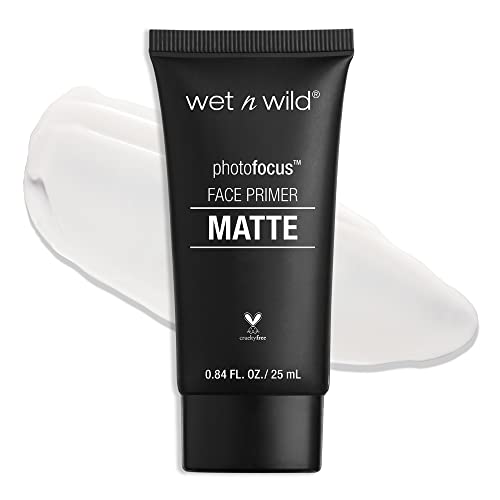
Lightweight formula
Choosing Foundations Resistant to Oxidation
Although it can feel like finding the perfect foundation is already a Herculean task, choosing one that resists oxidation is a total game-changer for keeping our makeup looking fresh all day. We’ve learned that foundations labeled long-wear or waterproof often contain film-forming agents that lock the formula in place, fighting the usual fade caused by skin oils. Those of us prone to oxidation might prefer powder foundations, which generally resist color shifts better than liquids. Plus, finding foundations enriched with antioxidant ingredients like vitamins C and E helps combat free radicals speeding up oxidation. Pro tip: selecting a shade slightly lighter than our natural skin tone can prevent that dreaded darkening effect. These smart choices make a noticeable difference, saving us from midday makeup meltdowns. Foundations with SPF protection also help shield skin from sun exposure that can accelerate oxidation and color changes.
Recommended Products

BUILD IDEAL COVERAGE: FV matte foundation with medium to full coverage effectively evens out skin tone, covers blemishes and other imperfections on the skin. The liquid waterproof foundation, with a smooth formula, feels weightless and looks flawless, without worrying about caking.

BUILD IDEAL COVERAGE: FV matte foundation with medium to full coverage effectively evens out skin tone, covers blemishes and other imperfections on the skin. The liquid waterproof foundation, with a smooth formula, feels weightless and looks flawless, without worrying about caking.

Flawless soft matte liquid foundation, foundation makeup for women full coverage,lightweight creamy natural.
Application Techniques to Prevent Color Changes
Three simple tweaks in how we apply foundation can really keep its color from doing a slow fade or darkening dance on our faces—none of us want to walk around looking like a confused chameleon by midday. First, using a silicone-based primer creates a barrier that limits skin oils from oxidizing the foundation, especially in shades like NC20, which testers found prone to darkening. Next, swapping fingers for a clean sponge or brush during application avoids transferring extra oils that speed up color shifts. Finally, applying foundation in light layers—not one thick coat—helps it adhere better and stay true to its original hue. Waiting for products to fully dry before layering keeps everything stable. While setting powder isn’t our focus here, remember it helps absorb oils later, too! Additionally, selecting makeup products with long-lasting wear formulations can further reduce color changes throughout the day.
Recommended Products

GET A GRIP: Achieve the perfect makeup base with essence Jelly Grip Hydrating Primer. Whether you're aiming for a fresh, natural look or need a reliable primer for all-day wear, this jelly primer has got you covered.

PORE MINIMIZING & ANTI-WRINKLE PRIMER: The pore-minimizing formula of our primer face makeup tightens pores and gives a lifting effect to dull and saggy skin. This makeup primer for face with collagen helps to minimize the appearance of wrinkles, fine lines, and smooth skin texture so that it avails skin to be seamless.

Pore Minimizer Face Primer: A pore blurring makeup primer, Baby Skin goes on like a moisturizer to help create a smooth canvas over which to apply foundation, and leaves the skin looking matte and poreless
Setting Products and Their Impact on Oxidation
Because we all know the heartbreak of watching our carefully matched foundation shift into a murky mess by noon, setting products deserve a spotlight in our makeup routine. Setting sprays and powders act like a protective layer, shielding our face from oil-triggered oxidation. Those oil-absorbing powders are especially helpful—they soak up excess shine, keeping foundation shades true longer. Plus, setting sprays with film-forming agents can fend off humidity and sweat that often cause premature color changes. Testers often mention using the Urban Decay All Nighter (shade Medium Warm) with their Too Faced Born This Way foundation (shade Warm Beige), noticing makeup longevity extended by hours. So, incorporating the right setting spray or powder isn’t just a luxury; it’s a smart move against oxidation, letting us enjoy fresher, more consistent colors all day. Many effective setting sprays, like the essence Fix & Last 18H Makeup Fixing Spray, offer long-lasting hold that helps maintain the makeup’s integrity throughout the day.
Recommended Products

Matte Setting Spray: For a matte makeup look that stays put, use our lightweight setting spray to reduce shine and leave a fresh, just applied look all day; Works with all makeup including foundation, eyeshadow, and powder

MATTE MADE EASY: Stay shine-free all day with ease! This spray locks in your makeup with a soft matte finish, keeping excess oil at bay so your skin looks smooth and fresh—no touch-ups or blotting needed.
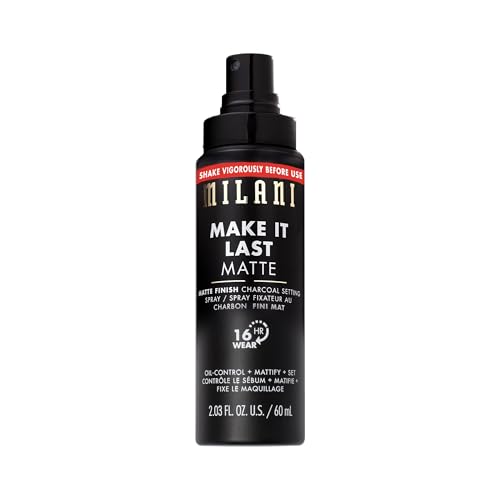
MATTE SETTING SPRAY – Make It Last Matte Setting Spray for oily skin helps reduce the appearance of pores and oily shine while locking in makeup for up to 16 hours with a natural matte finish.
Maintenance Tips for Long-Lasting Foundation Color
How can we keep our foundation looking fresh and true all day without turning into a shiny, patchy mess? Well, smart maintenance tips are key. Starting off with a clean face using gel-based cleansers like Vichy Normaderm Phytosolution helps cut down on excess oil, which is the main culprit behind makeup oxidizing. After cleansing, a pH-balancing toner normalizes skin acidity, prepping it perfectly to hold foundation color better. Next, slipping on a silicone-based primer, such as Giorgio Armani Luminous Silk Hydrating Primer, forms a smooth barrier protecting against oil’s meddling effects. Setting your foundation with mattifying powder or a setting spray then locks in the color, fighting humidity and oil all day. And for those mid-day shine battles? Blotting papers gently soak excess oil without disrupting makeup, keeping our foundation true and radiant.
Frequently Asked Questions
Why Is My Makeup Oxidizing All of a Sudden?
We think your makeup’s oxidizing suddenly because changes in skin pH, environmental factors, or new product formulation can react with makeup ingredients. Also, adjusting your application technique might help prevent unexpected color shifts throughout the day.
Why Does Makeup Fade Throughout the Day?
Makeup fades throughout the day due to climate effects and our skin type considerations, but we can boost makeup longevity solutions by using primer importance and setting spray effectiveness to lock everything in place and keep our look fresh.
Why Does My Makeup Go Orange Throughout the Day?
Makeup going orange feels like a fiery sunset on our faces! It’s all about makeup chemistry—skin pH, foundation types, weather effects—with oxidation prevention key. We need stable pigments and skincare prep to stop that color shift.
How Long Does Makeup Take to Oxidize?
Makeup usually takes 20 to 30 minutes to start oxidizing, but foundation types, makeup ingredients, skin pH, humidity effects, and primer choices can speed up or slow this process throughout the day, so we’ve learned to adapt accordingly.